The expansion comes amid a significant demand-supply gap in India’s senior-living market. According to Colliers India, current demand is estimated at 20–22 lakh units, while the organised market has an inventory of only around 25,000 units. Demand is projected to reach nearly 30 lakh units by 2030, while organised inventory could increase to approximately one lakh units.
The latest entrant in Hyderabad is Vera Vita Living LLP, which plans to invest approximately ₹600 crore over five years in Amaya, its maiden senior-living project in the city. The entire investment is earmarked for the Hyderabad development.
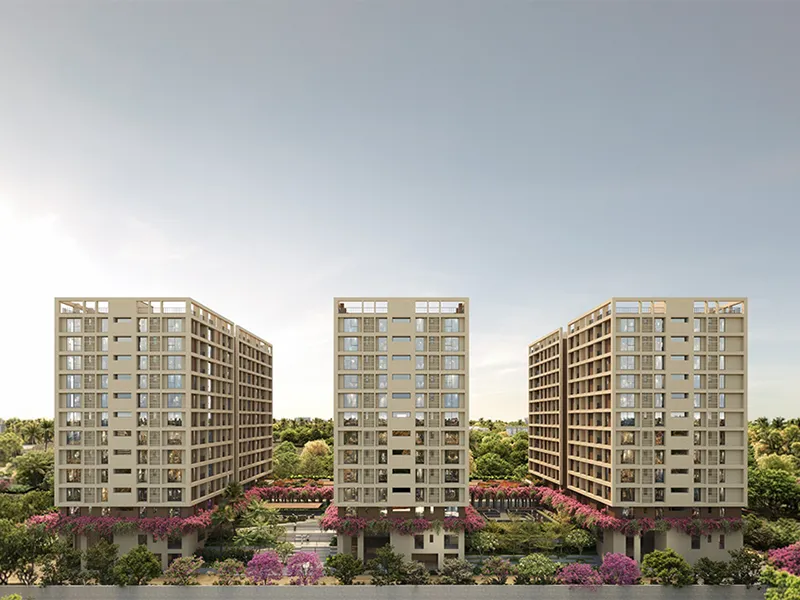
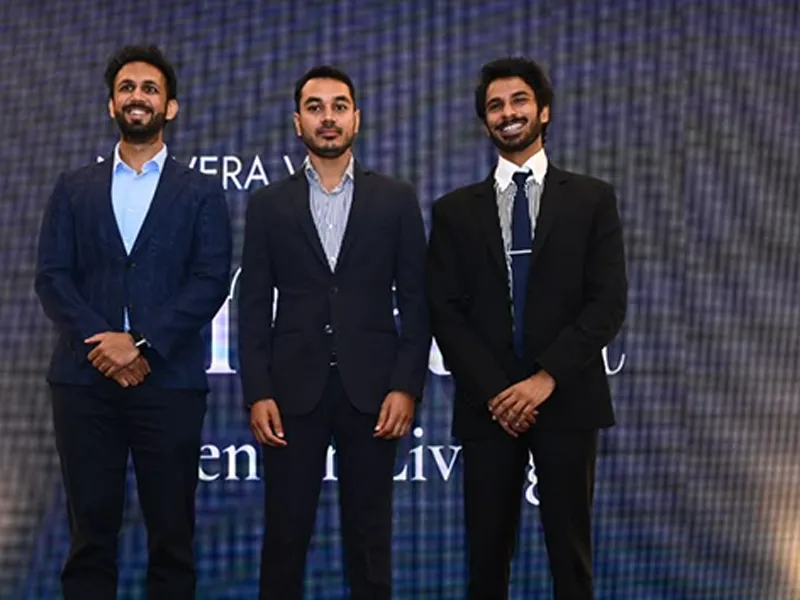
Founded by Arudradev Rao, Dhruv Badruka and Tanay Saboo, Vera Vita Living has identified approximately 1.5 million sq. ft. of development potential for Amaya. The project is being developed near the Kandlakoya Reserve Forest in the Outer Ring Road growth corridor.
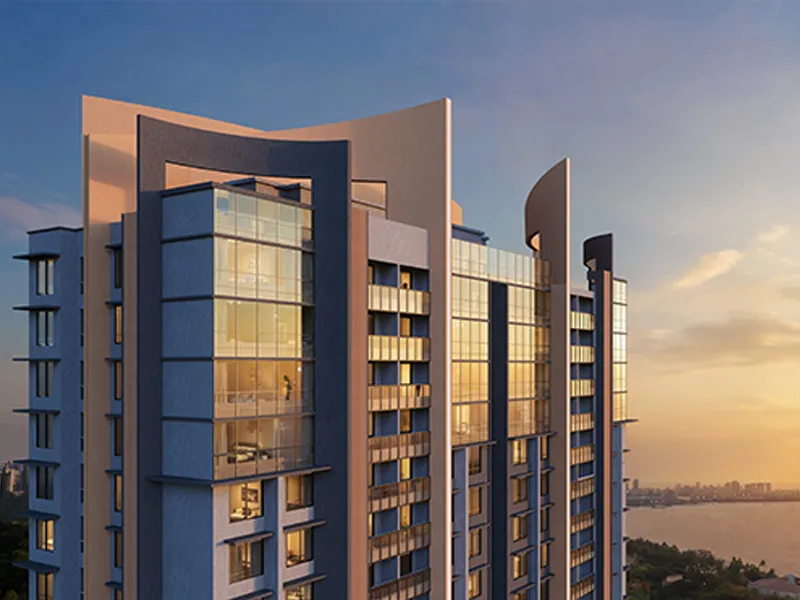
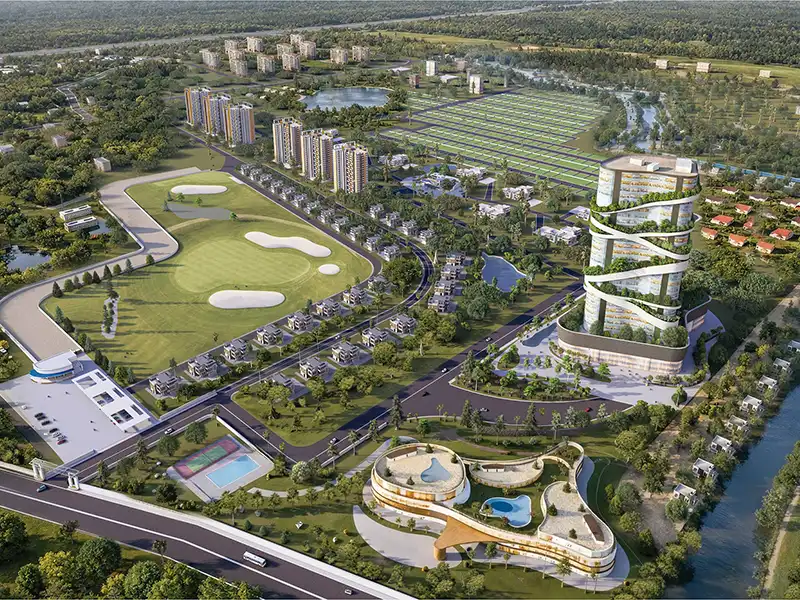
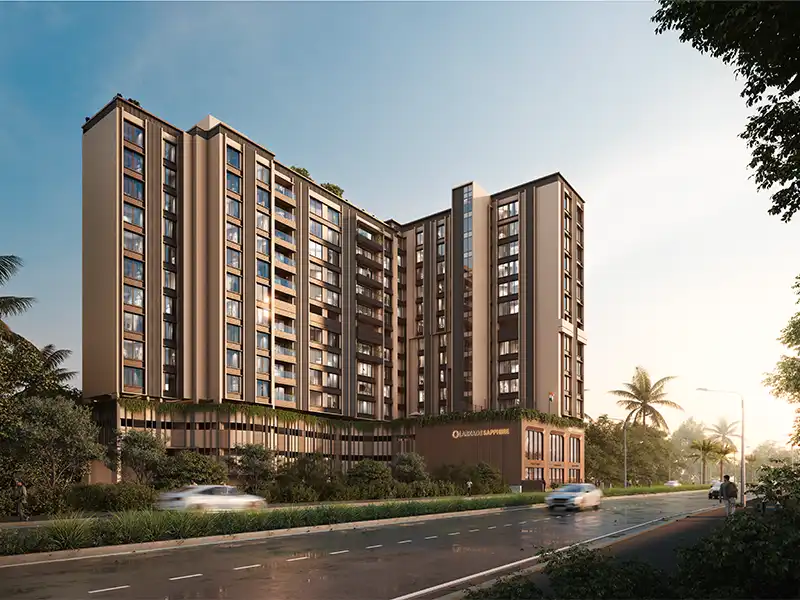
Amaya will be developed as part of a 13-acre master plan. Its first phase, spread across approximately three acres, will comprise 256 residences. The project will offer one, two, 2.5, three and 3.5-BHK homes ranging from approximately 950 sq. ft. to 2,400 sq. ft.
India’s senior-living market is currently valued at approximately ₹30,000 crore and could cross ₹1 lakh crore by 2030, according to Colliers. The consultancy expects the penetration of organised senior housing to increase from about 1.3% at present to nearly 4% by the end of the decade.
The report also said investments of more than ₹13,000 crore have been announced by senior-living developers and investors since 2025 and are expected to be deployed over the next three to four years.
A separate study by JLL and the Association of Senior Living India projected that India’s senior-living housing sector could grow by more than 300% to reach $7.7 billion, or approximately ₹64,500 crore, by 2030. It estimated potential demand at around 1.57 million households in 2024, rising to 2.27 million households by 2030.
Market estimates vary depending on whether they include only independent senior housing or also cover assisted living, healthcare and other senior-care services. However, industry reports consistently point to a wide gap between potential demand and organised supply.
The sector’s growth is being supported by India’s changing demographic profile. The United Nations Population Fund has projected that the country’s population aged 60 years and above could reach nearly 347 million by 2050, accounting for more than 20% of the total population.
Longer life expectancy, the rise of nuclear families, increasing financial independence and the migration of children to other cities and countries are also influencing housing decisions among senior citizens.
Developers are responding by moving beyond the conventional retirement-home model. New projects are increasingly being positioned as independent residential communities supported by hospitality, wellness, preventive healthcare, recreation and emergency assistance.
Unlike conventional housing, senior-living developments require operators to maintain a long-term relationship with residents after possession. Dining, housekeeping, maintenance, healthcare coordination, emergency response and community programmes form a significant part of the operating model.
“At Amaya, premium living is not only about the residence or the amenities. It is about giving people independence, dignity, choice, companionship and peace of mind. Services and support should work quietly in the background,” said Arudradev Rao, co-founder of Vera Vita Living.
The project plans to offer a clubhouse, multiple dining options, wellness and fitness spaces, landscaped gardens, walking trails and recreational facilities. Preventive healthcare, physiotherapy, emergency response, housekeeping, maintenance and concierge services are also proposed.
Southern India currently accounts for a significant share of the country’s organised senior-living supply, with Bengaluru, Chennai and Coimbatore among the established markets. Hyderabad is now attracting interest because of its healthcare ecosystem, international connectivity, relatively lower congestion and the availability of larger land parcels on the outskirts.
The city’s technology professionals, entrepreneurs, business families and sizeable NRI-linked population also provide a potential customer base for organised senior communities.
“Hyderabad brings together strong healthcare, international connectivity, expanding infrastructure and globally exposed families. We believe the city can become an important market for hospitality-led senior living,” said Tanay Saboo, co-founder of Vera Vita Living.
Industry executives said the sector’s ability to scale will depend on service consistency, pricing transparency, trained personnel and the long-term maintenance of communities. The entry of specialised developers and growing capital commitments, however, indicate that senior living is developing into a distinct real estate and services asset class rather than remaining a niche extension of conventional housing.