By Rohana Sarah, Founder & CEO, Green World Design
Landscape is one of the highest-return investments a premium real estate project can make, that continues to create value after project completion. It influences buyer preference, supports day-to-day living, improves operational efficiency and contributes to the long-term performance of a real estate asset.Premium real estate has become increasingly competitive. Luxury developments today offer similar amenities, premium finishes, smart home technologies and sophisticated architecture. As these features become easier to replicate, buyers are placing greater value on the quality of the environment they experience beyond the built form. This is changing how landscape is viewed within premium real estate. Rather than a finishing layer added after construction, it is increasingly becoming an investment that influences market positioning and long-term asset performance.
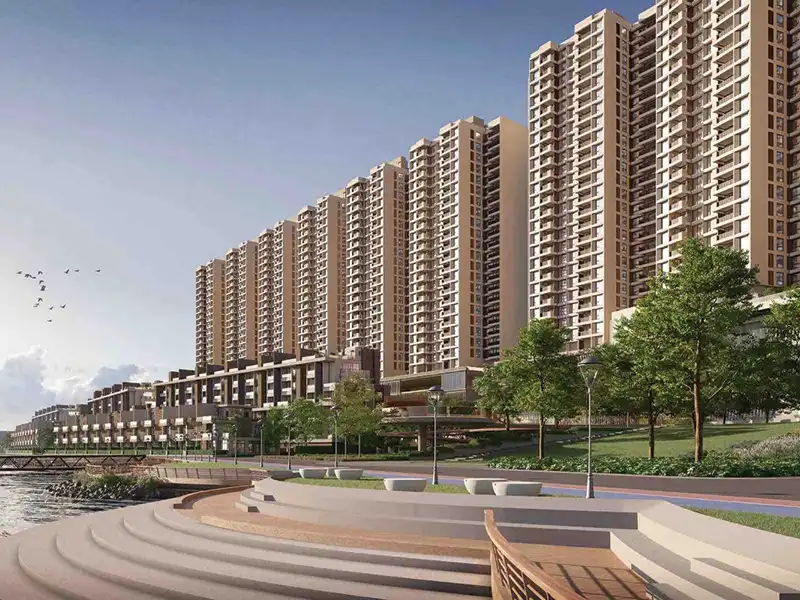
Landscape starts creating value from the moment a project is experienced by a prospective buyer or occupier. The outdoor environment often creates a buyer's first impression of a project. Tree-lined arrivals, shaded walkways, courtyards and thoughtfully designed public spaces establish a sense of place that floor plans and material specifications alone cannot achieve. These experiences strengthen buyer preference, improve sales velocity and help differentiate projects in a crowded market. They also reflect changing customer expectations, as homebuyers and occupiers increasingly seek developments that offer usable green spaces, walkable environments and a stronger connection with nature.
Architects increasingly integrate landscape into the design process to create environments that perform as a cohesive whole, plus a landscape is seen as the greatest asset value in a project.

The commercial value of landscape continues long after project completion. Mature landscapes continue to improve with time, while interiors and finishes often require periodic upgrades. Well-planned outdoor environments support resident wellbeing, encourage community interaction and enhance the long-term appeal of residential developments. At the same time, native planting, climate-responsive species selection, permeable surfaces and water-sensitive landscape strategies can reduce irrigation demand, improve stormwater management and lower recurring maintenance costs, creating operational efficiencies throughout the life of the asset.
Every project budget includes investments that gradually depreciate over time. Landscape follows a different trajectory. As trees mature and outdoor spaces become part of everyday life, their contribution to the quality and identity of a development often becomes even more valuable.
This evolving perspective is influencing decisions across the real estate value chain. Architects increasingly integrate landscape into the design process to create environments that perform as a cohesive whole. PMCs and global real estate advisors recognise that early landscape planning improves coordination between architecture, engineering and infrastructure while protecting design intent throughout project delivery. Institutional investors and long-term asset managers are similarly evaluating developments on their ability to remain resilient, relevant and competitive over decades rather than simply at project completion.
The same thinking is evident across leading global real estate markets. Singapore has integrated landscape into urban planning to improve liveability and ecological performance within dense cities. Across the US, premium residential communities, corporate campuses and mixed-use developments use landscape to strengthen placemaking and user experience. In Europe, landscape is increasingly recognised as an important contributor to resilient public spaces and long-term urban quality. Although each market has different priorities, they all recognise that landscape creates the greatest value when it is planned as part of the overall development strategy.