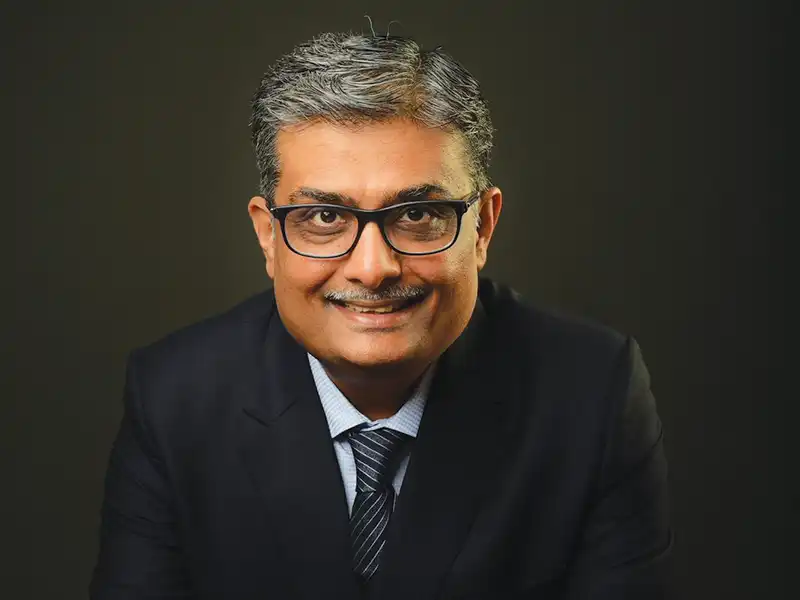
Rishi Raj, CEO, Conscient Infrastructure
For years, luxury housing in India was defined by what buyers could see- larger homes, prestigious addresses, imported finishes, and grand clubhouses. These attributes continue to matter, but they no longer define luxury on their own.
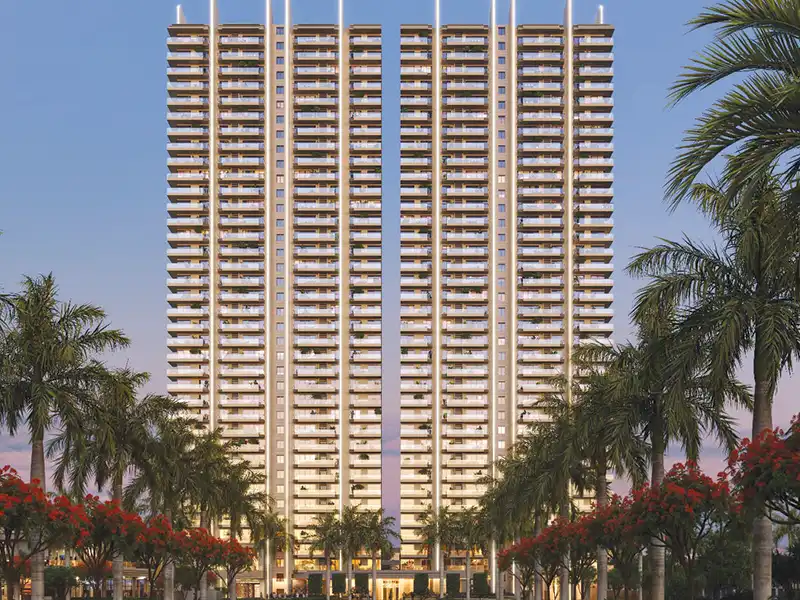
Think about the homes people remember most fondly. It is rarely because of the marble in the lobby or the size of the clubhouse. It is because children can safely cycle within the community, parents enjoy uninterrupted evening walks, services are delivered seamlessly, common spaces remain vibrant years after possession, and the neighbourhood continues to become better connected over time. These are experiences, not amenities.
That is why I believe the definition of luxury is shifting from physical infrastructure to experience infrastructure. Experience infrastructure rests on four pillars: The first is thoughtful physical planning. Luxury today is about generous spaces, low-density planning, privacy, natural light, ventilation, pedestrian-first design, and landscapes that encourage people to spend time outdoors. At projects like Parq and Elaira, for example, we consciously pushed vehicles to the periphery to create spaces where people - not cars - become the centre of the community.
Today’s discerning buyers are not investing simply in expensive homes; they are investing in a better way of living. This, increasingly, is the new definition of luxury.
Rishi Raj
The second is digital infrastructure. Technology should quietly simplify everyday life rather than become a feature. Residents increasingly expect seamless security, digital access, smart facility management, and connected communities. The best technology is often the one which residents barely notice because it works smoothly.
The third—and perhaps the most underestimated - is operational excellence. Buildings do not create luxury; people do. The professionalism of maintenance teams, security personnel, community managers, and hospitality staff ultimately determines how residents experience a development long after possession. A beautifully designed project can quickly lose its appeal if service standards decline, while a well-managed community continues to delight residents for years.
Finally, there is the community ecosystem. Luxury is increasingly measured by the quality of life a neighbourhood enables rather than the specifications of an apartment. Well-designed sports facilities, shaded walking trails, social spaces, wellness infrastructure and meaningful opportunities for community interaction contribute far more to everyday happiness than amenities that exist only to make a brochure look impressive.
This evolution also reflects the changing profile of India’s luxury homebuyer. Today’s buyers are globally exposed, digitally connected and increasingly discerning. They compare experiences, not just products. Their expectations are shaped as much by how they have lived elsewhere as by what they see during a site visit.
As an industry, I also believe we need to rethink where we invest. We have spent years competing on taller towers, larger clubhouses, and longer amenity lists. The next decade will belong to developers who invest equally in what residents cannot immediately see—better planning, stronger operations, smarter technology and communities designed around people rather than marketing brochures.
Luxury, therefore, is becoming quieter: It is reflected in a smoother morning routine, a child playing safely outdoors, a resident whose service request is resolved without repeated follow-ups, or a community that feels as vibrant five years after possession as it did on launch day.