The Shift from Ornamentation to Intelligence
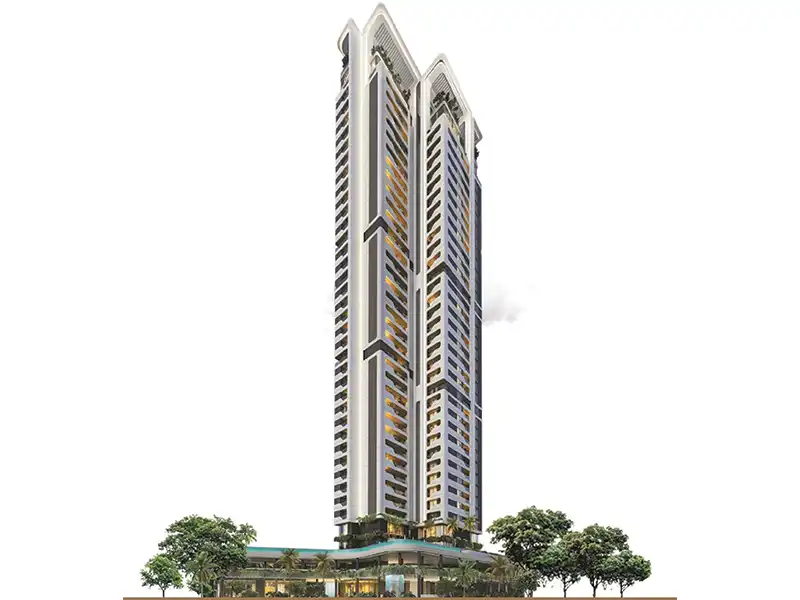
Architecture as Long-Term Value Creation
Architecture-led luxury focuses on proportion, orientation, ventilation, material longevity, and structural coherence. These are not decorative decisions; they are value multipliers. Homes designed with climate responsiveness, cross-ventilation, daylight optimisation, and low-density master planning tend to age better — both functionally and financially. Buyers in 2026 are expected to prioritise build quality, structural engineering, acoustic insulation, façade performance, and energy efficiency — elements that rarely feature in marketing brochures but significantly impact lived experience.Architecture is no longer background; it is central to the investment thesis. Developments that collaborate with globally reputed architects and urban planners are increasingly seen as future-proof assets rather than trend-driven purchases.
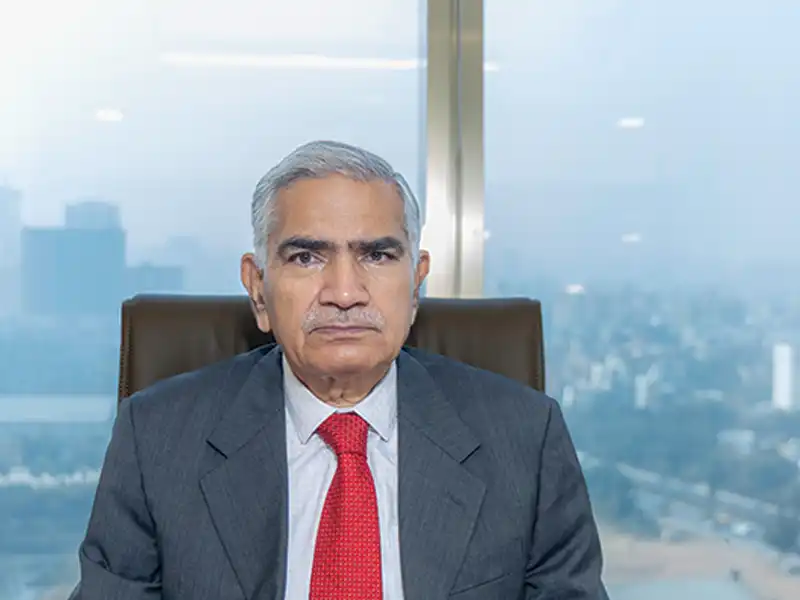
Sidharth Chowdhry, Managing Director, Dalcore
Rise of the Globally Benchmarked Buyer
The new luxury consumer is not comparing properties within a single city. They are benchmarking against Dubai, Singapore, London, and New York. Exposure to international residential standards has created sharper scrutiny around spatial efficiency, amenity programming, and environmental performance. This buyer cohort examines ceiling heights, façade articulation, service core planning, lift-to-residence ratios, and parking design as closely as they once evaluated Italian flooring.Sustainability as a Structural Advantage
Environmental performance will be one of the strongest differentiators in 2026. Managing water resources, integrating renewable energy sources with existing systems, adding infrastructure to support electric vehicles (EVs), etc., are no longer something that can be added as an option; these are now standard features of every new development or building project.The process of designing and creating luxury buildings has changed. Luxury buildings now include sustainability in their original designs rather than after-the-fact. This means lower lifetime operating expenses for the developer/owner of the building and more durable buildings. As the risk of climate change grows and energy prices continue to climb, the energy-efficient properties will be able to command higher rental and resale prices than properties without such features.