The demand for premium / uber luxury / globally branded real estate is creating a new phase of growth as discerning buyers are placing greater emphasis on project quality and location, and on a developer’s execution capability, financial capacity, and access to the best architects, interior designers, materials and products.
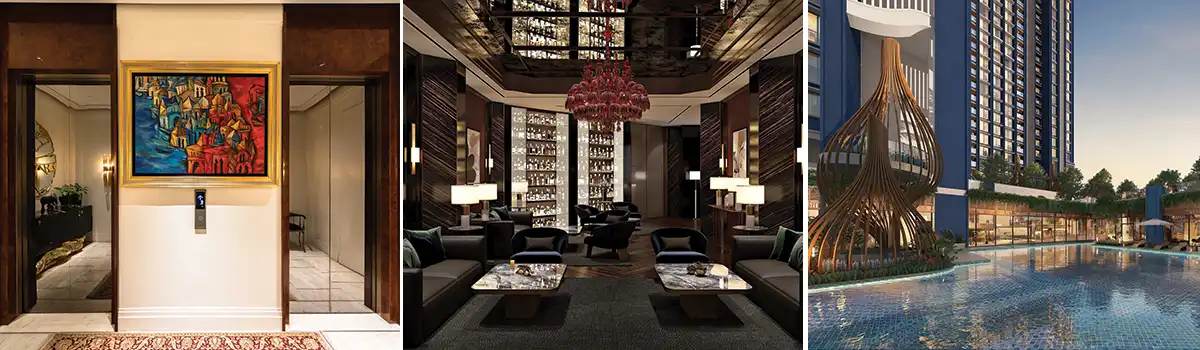
Demand for luxury real estate in India is being led by HNIs, NRIs, and corporate leaders exposed to global high standards of living. They are looking for spacious apartments equipped with wellness features, top-notch interior fittings, smart technology that controls lighting and climate, high-tech security, world-class amenities like private clubs with temperature-controlled wine cellars, gyms with the latest gadgets, air purification systems, curated landscaping, and 5-star concierge services. IGBC-certified homes that feature solar power, rainwater harvesting, eco-friendly construction materials, and energy- saving appliances are prioritised.
Luxury Living Redefined: Looking Beyond Conventional Trappings of Luxury
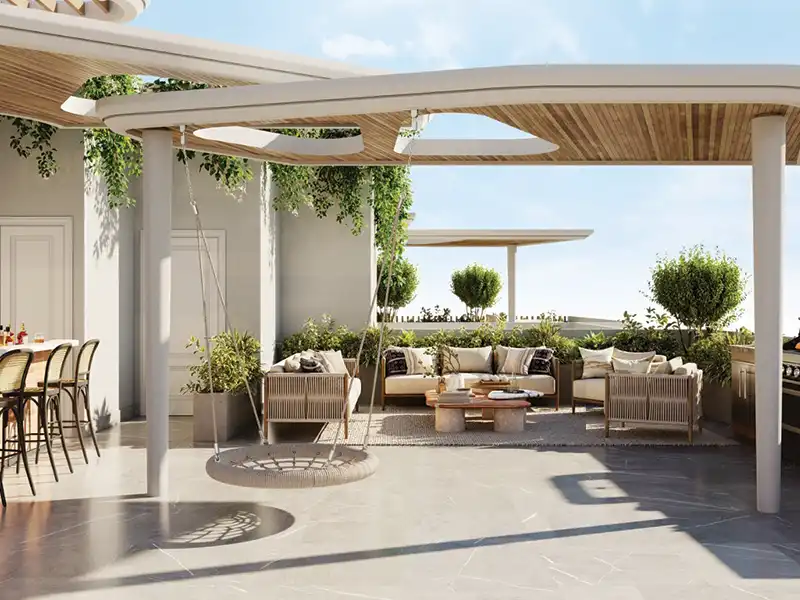
However, a, intelligent design is only as good as the execution on the ground, and that is where a different kind of global collaboration is quietly taking shape. To cater to this demand, developers are collaborating with well-known domestic and global architects, interior designers, and urban planners for their high-end housing projects, who place greater emphasis on low-density layouts, well-integrated ecosystems, and hospitality-grade services. International design firms are thus becoming the new status symbols as projects flaunt their names in bold letters.
In this article, real estate developers, architects, and interior designers share what real luxury means to them as they look beyond the usual aspirational trappings of wealth and luxury to experiential living.
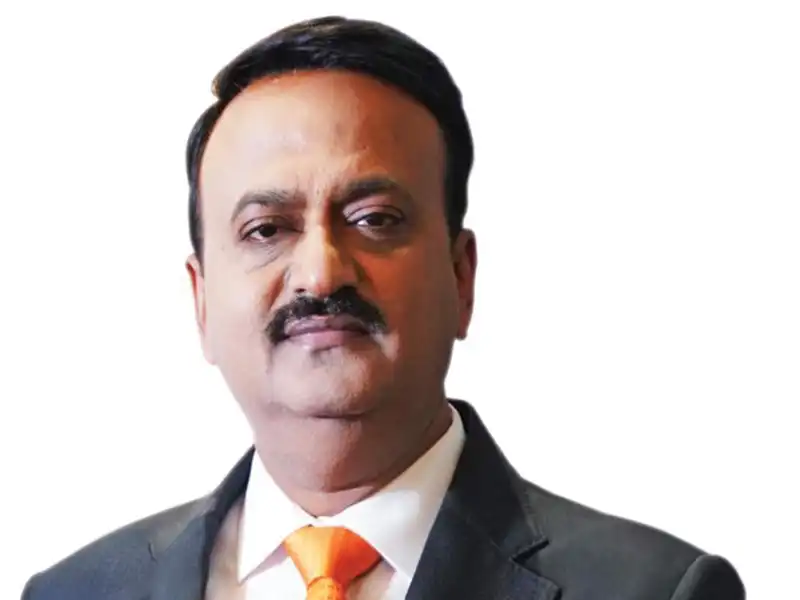
Manoj Gaur, CMD, Gaurs Group
At Gaurs Group, after revolutionising luxury housing, we are re-engineering the construction methodology to meet these new expectations. We have recently signed a MoU with Finland’s Elematic Group to produce modular bathroom and kitchen pods, while simultaneously bringing in Seaform Germany, a European manufacturer with automated facilities in Lohne and Burg, to design and deliver precision-engineered modular kitchens and wardrobe systems for projects such as The Islands by Gaurs and Trecento Residences by Gaurs.One cannot achieve the precision required by modern international design with conventional on-site casting. With construction technology becoming increasingly important as the scale and complexity of residential developments grow, our investment in precast technology is not just about speed but also about delivering a global finish. Our partnership with Elematic and Seaform Germany covers everything from structural pods to kitchen joinery and enables us to integrate world-class manufacturing into our processes, improving efficiency, quality control and project timelines.
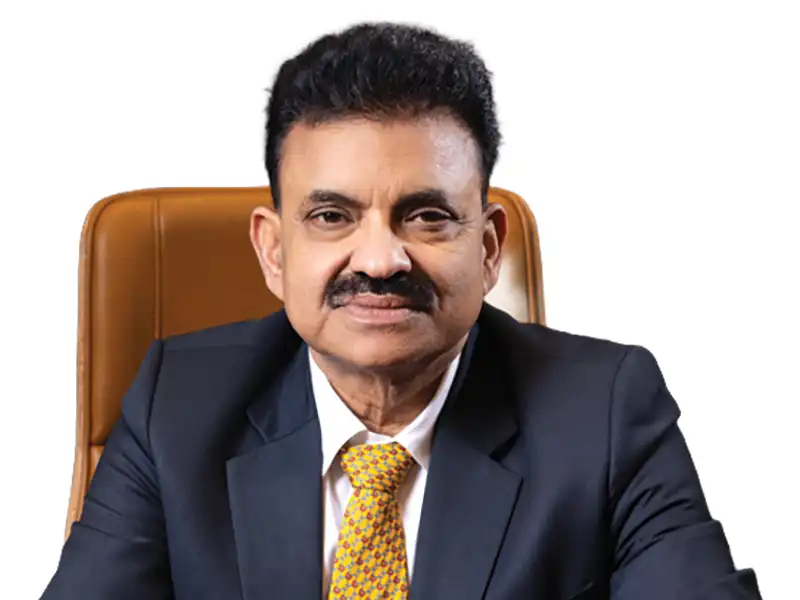
Salil Kumar, Director-Marketing and Business Management, CRC Group
Today’s buyer has already seen the best hotels in the world. They don’t want a replica; they want an original language that signals permanence. At our upcoming ultra-luxury project, The Peridona, the marketing pitch hinges less on square footage and more on a specific pedigree. As a result, CRC has assembled a consortium that includes Killa Design, the architects behind Dubai’s Museum of the Future, alongside New York’s Rockwell Group and global project managers MACE.But bringing in firms like Rockwell or Gensler isn’t just about aesthetics, it is a guarantee of execution quality and future liquidity. It tells the buyer that this asset will hold its value when the market turns.
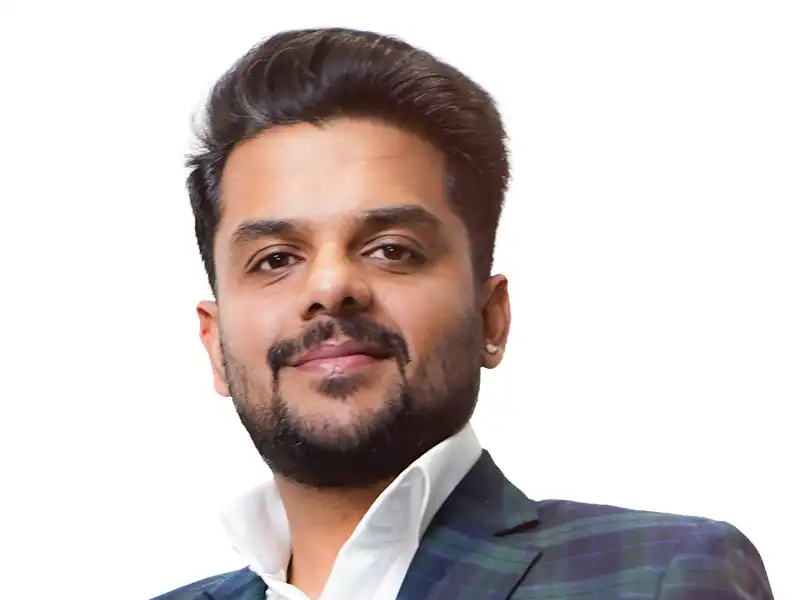
Rajjath Goel, Managing Director, MRG Group
Today’s luxury homebuyer is increasingly drawn towards projects that carry a strong architectural identity and a globally inspired design approach. Collaborating with acclaimed architects helps create developments that are not only aesthetically refined, but also more functional, timeless and aspirational in nature.The MRG Group has partnered with renowned architect Hafeez Contractor for its premium residential project, MRG Crown, located along the Dwarka Expressway in Gurugram. The collaboration reflects the growing focus among developers on creating architecturally distinguished projects that align with evolving luxury housing aspirations.
The involvement of internationally recognised design talent adds a layer of credibility and distinction to a project, while also enhancing the overall lifestyle experience for residents. As buyer expectations continue to evolve, design excellence is becoming one of the biggest differentiators in the luxury housing segment.

Yamini Agarwal, Director (Marketing & Communications), Nimbus Group
The reliance on imported expertise signals a maturation of the buyer. The era of “bespoke” Indian design clashing with Western finishes is giving way to a more seamless, hospitality-led approach. The conversation has shifted from ‘how large is the drawing room’ to ‘how does the light move through it’.We are moving away from ornamentation that yells to design that breathes. If a space doesn’t feel instinctive or emotionally resonant, it doesn’t matter if it’s a thousand yards. That is the standard international firms are forcing us to meet. By roping in architect Zafar Masud Chaudhary, known for a human-centric approach, quiet luxury, Nimbus is betting on atmosphere over opulence.
Vivek Singhal, Co-Founder & CEO, Multigen India
International collaborations are bringing a whole new perspective to India’s luxury housing market by infusing world-class design skills and expertise, while Indian builders keep pushing the envelope with their knowledge of the local market.Luxury is not only about grandeur these days but rather about the experience that one will get during the entire lifespan of that development project. While international brands may bring some world-class design, premium amenities, and increased brand equity, it is luxury itself that can be achieved by proper planning, privacy, exclusivity, excellent construction, top-quality services, and a valuable property location.
For the sustainability of such ventures, it is critical to ensure that this promise is upheld. Developments that embrace sustainable construction methods, effective management of resources, adaptability, and asset management will be in a better position to maintain their appeal and value in the long term. Modern customers are no longer concerned with just the address but with the quality and durability as well.
This is only possible by delivering operational excellence in all the steps involved, starting from the planning process, implementation, technological integration, timely delivery, and world-class facility management. Maintaining the development for many years after its completion can only be assured by implementing consistent maintenance, hospitality-based services, and a customer-focused approach.
Pradeep Aggarwal, Founder & Chairman Signature Global (India)
A branded residence brings exclusivity, prestige, and a distinctive identity to the property. It offers a prestigious address that reflects the owner’s achievements and complements their lifestyle, aspirations, and social standing. For NRIs, a branded residence offers greater confidence and peace of mind, backed by the assurance of superior design, world-class amenities, professional property management, and the credibility of globally recognised brands.Branded residences are still a relatively new and emerging concept in India, only a handful of few such projects are available currently at the right location. However, they are well-established and highly sought-after across mature real estate markets across the world. According to a recent report by Savills, the number of branded residences in the Asia-Pacific region has grown by 55% over the past five years, driven by strong development pipelines in countries such as Vietnam, Thailand, and India. This growth reflects rising domestic wealth, increasing demand for service-oriented living, and the enduring appeal of globally recognised luxury brands.
The strong response to our branded residences developed in association with Tonino Lamborghini reinforces, our belief that India’s luxury homebuyers are increasingly looking for developments that seamlessly combine exceptional design, superior quality, and an iconic global brand experience.
As buyer aspirations move beyond ownership towards lifestyle, exclusivity, and global brand association, demand for such developments is expected to strengthen further. Looking ahead, branded residences are poised to become a defining feature of India’s evolving luxury housing landscape. With rising domestic wealth, increasing NRI interest, and a limited supply of high-quality branded projects, the segment is likely to witness sustained growth in the years ahead.
The Bansal Family
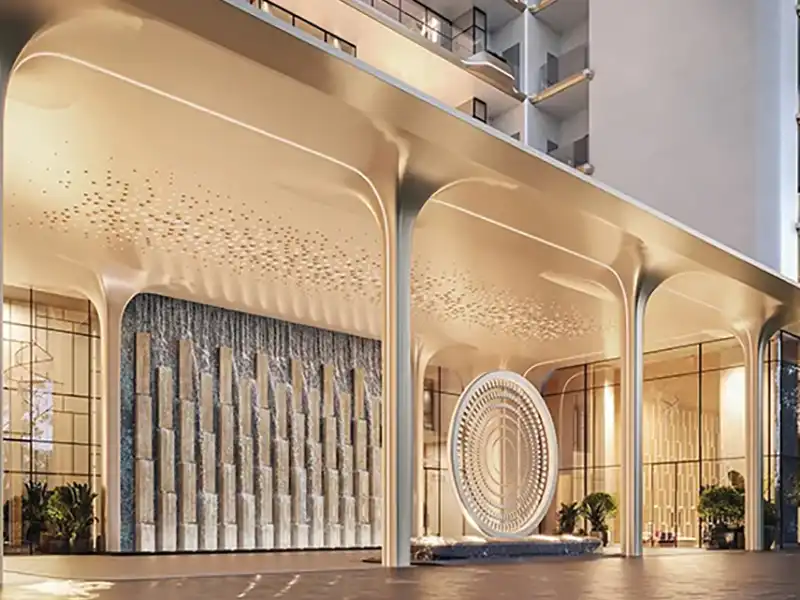
It has built one of India’s most diversified luxury residential portfolios, spanning ultra-luxury branded residences and the bridge-to-luxury segment. Branded residences contribute nearly 16% of the Group’s GDV despite accounting for only around 8% of its developable area, highlighting their superior value creation. The Family also owns the largest portfolio of Trump-branded residences outside the United States. Complementing this, its bridge-to-luxury portfolio accounts for nearly 29% of the overall development portfolio, reflecting its ability to cater to diverse aspirational homebuyers while driving scale and long-term growth.
Its latest flagship initiative, The Billionaire’s Block at Smart City Delhi Airport in Gurugram, seeks to create what the company describes as the world’s first integrated ultra-luxury district exclusively designed for billionaires. Anchored by M3M Residences by ELIE SAAB, the development forms part of a broader ₹3,500 crore investment in ELIE SAAB-branded luxury residential projects and is positioned to cater to India’s rapidly expanding ultra-high-net-worth population as demand for globally benchmarked luxury residences continues to accelerate.