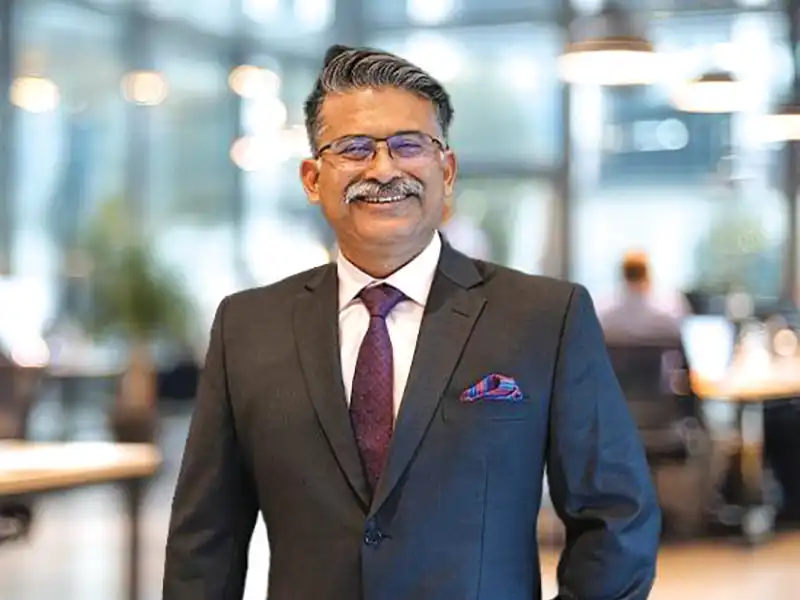
Dr. Rakesh Setia, Chief Executive Officer, Runwal Enterprises
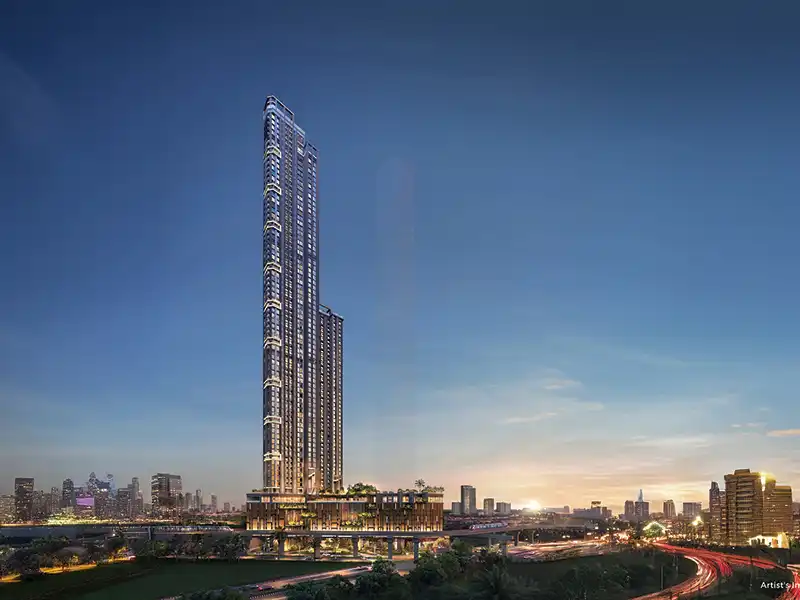
This thinking shaped 7 Mahalaxmi, our flagship development in South Mumbai. While the project offers expansive residences and global design expertise, equal attention has gone into creating nearly 1.5 acres of landscaped open spaces, over 100 lifestyle experiences and one of India’s few luxury residential developments with IGBC Platinum Pre-Certification. In a city like Mumbai, where landmark land parcels are scarce, projects that combine timeless design with responsible development are likely to retain their value the longest.
Luxury real estate in India is moving into a more mature stage. Today’s buyers are well-travelled and well-informed, with expectations that extend beyond grandeur and spacious homes.
They increasingly value authenticity, thoughtful design, wellness, sustainability and long-term quality. This changes the way projects need to be conceived: Location, architectural quality, construction standards, sustainability and operational planning become far more important than following just design trends.
Buyers today are investing in experiences, wellness and time. That’s why amenities alone don’t create luxury anymore; the entire ecosystem has to work together.
Dr. Rakesh Setia
Operational excellence is probably the least discussed aspect of luxury housing, but it has the biggest impact once residents move in. A beautifully designed development can quickly lose its appeal if common spaces, engineering systems or resident services are not managed to the same standard. Maintaining a luxury asset requires the discipline of a hospitality business rather than just a residential building.
For a development like 7 Mahalaxmi, with its extensive amenities, landscaped spaces and large clubhouse ecosystem, operations had to be considered from the design stage itself. Material choices, engineering systems and maintenance planning all influence how well the project performs over the long term. Ultimately, great operations are what preserve both the resident experience and the value of the asset.
The next generation of luxury developments will be defined by how seamlessly these elements come together. While technology will continue to enhance convenience, it can never replace thoughtful planning, timeless architecture and strong operational standards. Buyers are also gravitating towards iconic developments that offer exclusivity, exceptional design and a strong sense of place.
Going forward, I believe we’ll see fewer standalone luxury towers and more integrated developments that bring together premium residences, open spaces, lifestyle, amenities, and vibrant community experiences.