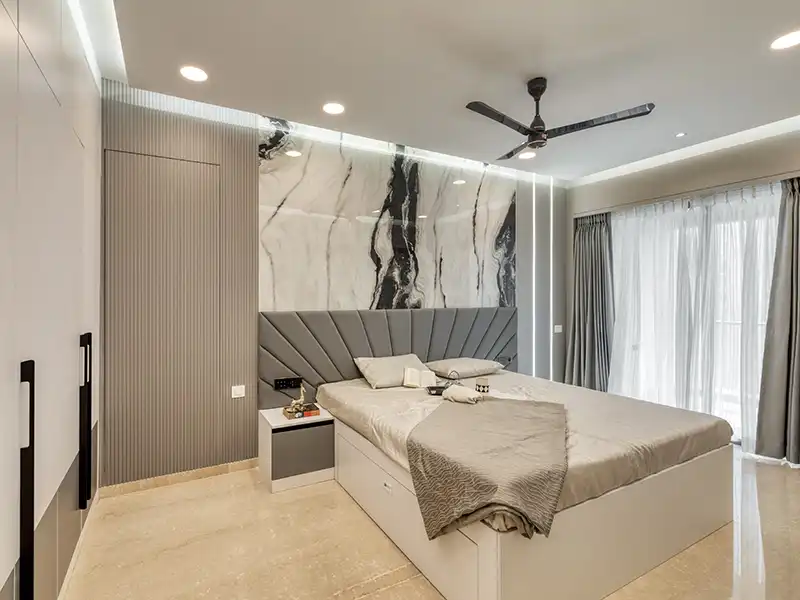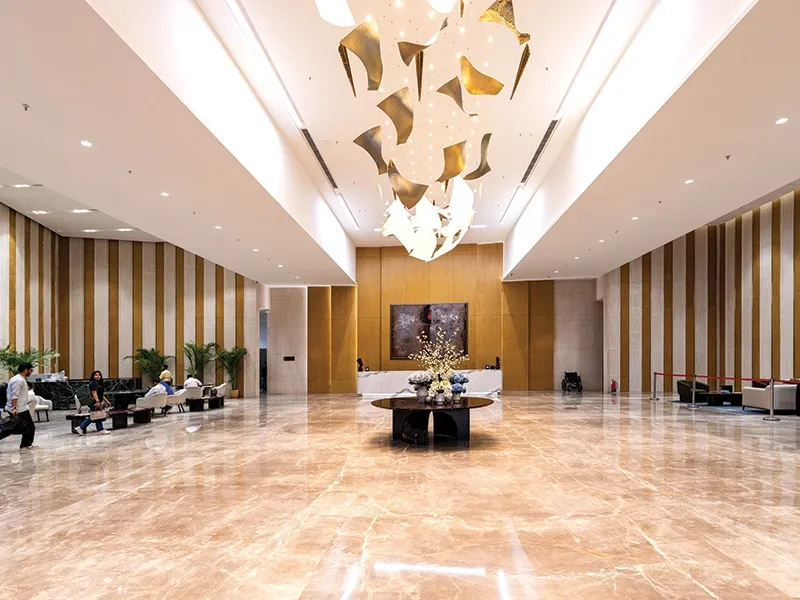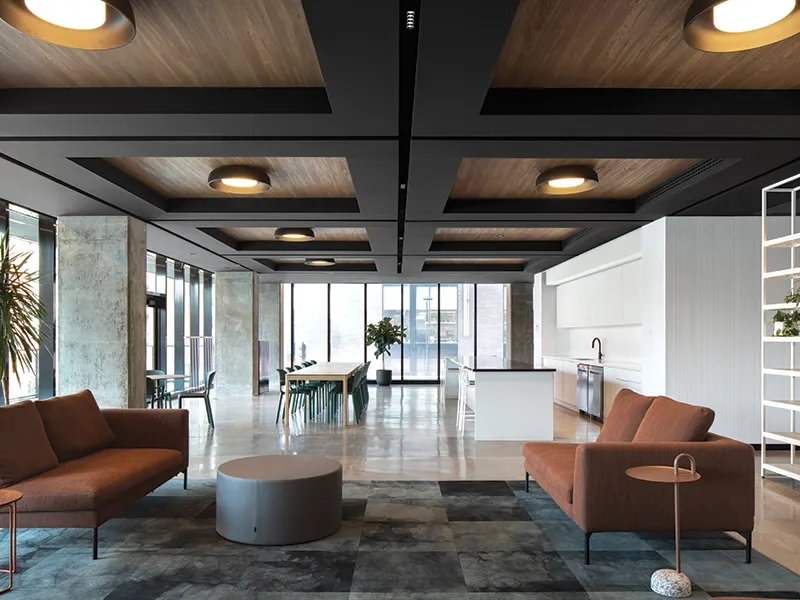
The project operates through clarity of planning, restraint in expression, and a consistent response to climate, with materials that respond to heat gain, durability, and ease of maintenance.
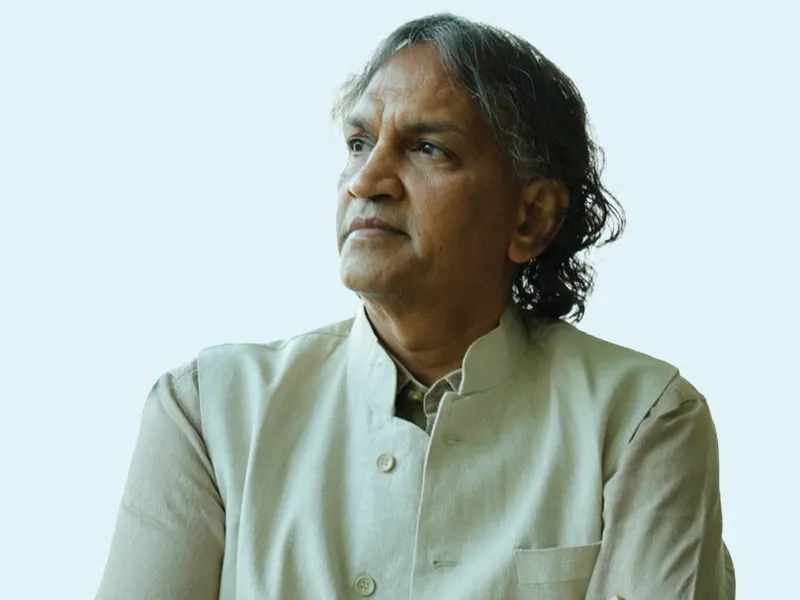
Anil Bansal

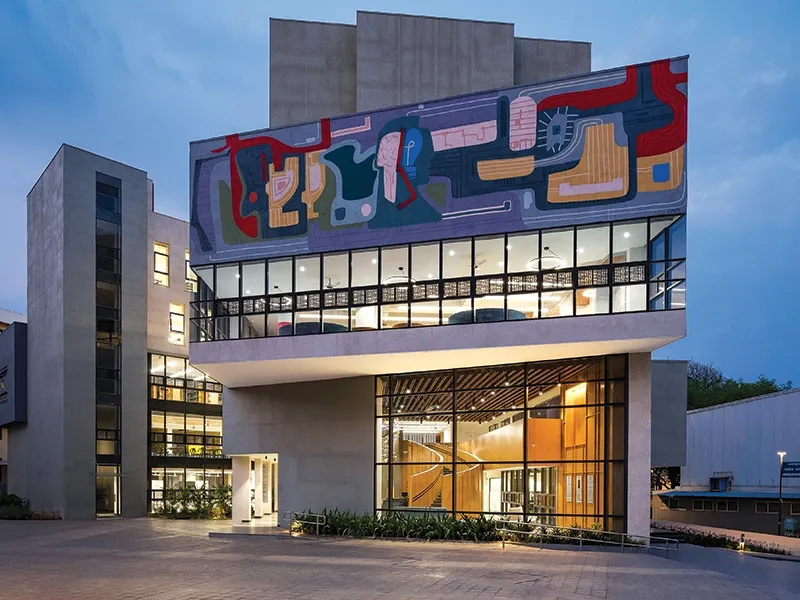
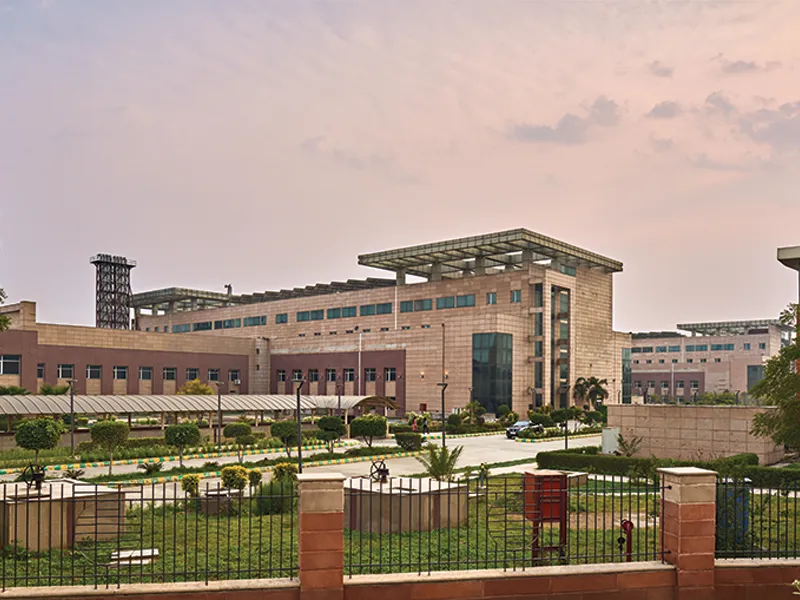
Spread over 15 acres, this project negotiates scale and complexity through a clear, ground-oriented layout that prioritises movement, climate response, and spatial clarity. It is a cohesive institutional campus where healthcare, learning, and living environments are brought into a single, interdependent framework.
The masterplan is structured around a series of landscaped courts and connecting spines, allowing the built form to open out rather than consolidate into a singular mass. This approach breaks down the institutional scale while enabling visual continuity and environmental buffering. Pedestrian movement is foregrounded, with shaded pathways and transitional spaces mediating between different programmatic zones.
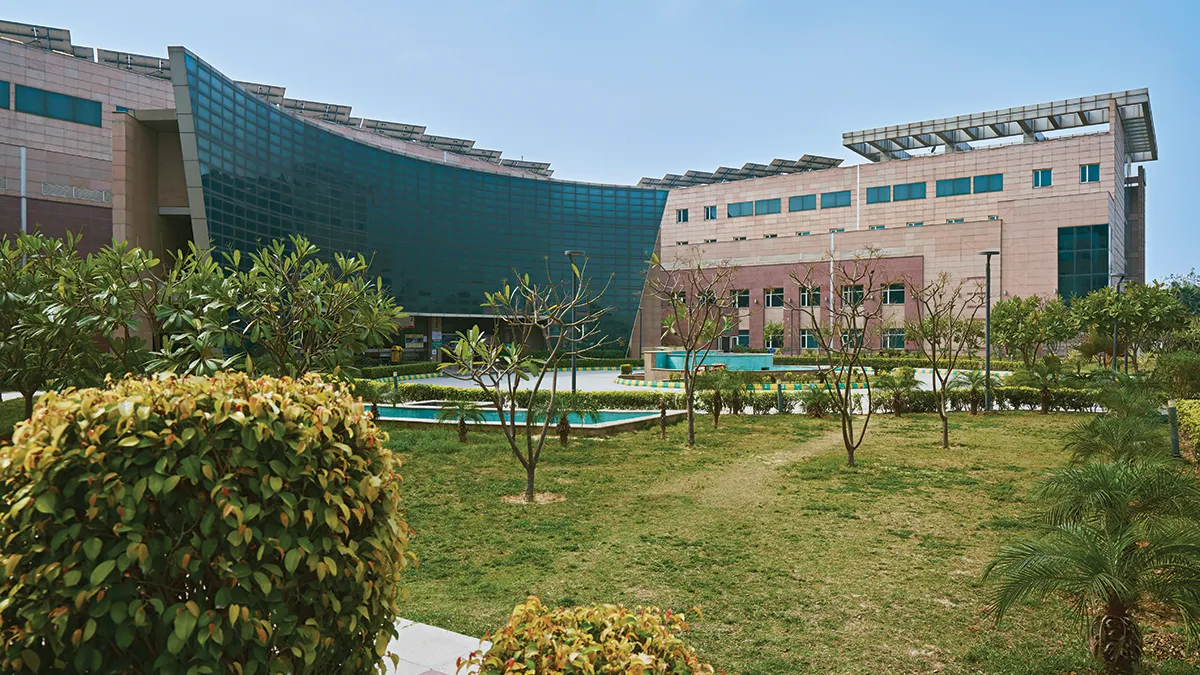
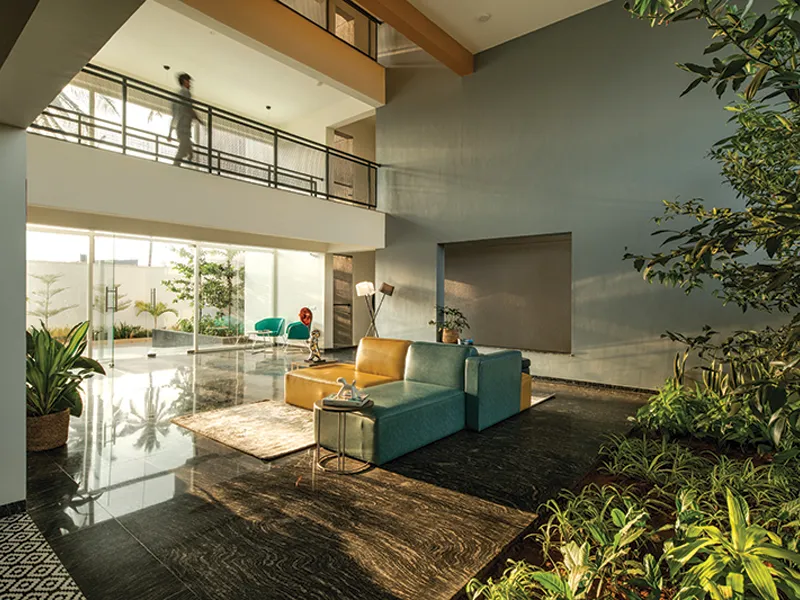
The hospital block, conceived in an H-shaped configuration, anchors the campus. The form allows for a distributed planning of departments while introducing internal courtyards that bring in light, air, and moments of pause within a dense clinical setup. Circulation is layered and segregated, ensuring that patient, staff, and service movements remain efficient. The intent is to create a system that functions intuitively rather than relying on excessive wayfinding.
Material and construction choices are restrained and performance-driven. The palette leans towards materials that respond to heat gain, durability, and ease of maintenance. Environmental strategies, ranging from building orientation and shading to water recycling and service optimisation are embedded within the planning rather than treated as add-ons.
Fact File
Location: Greater Noida, UP
Built-up Area: 1,54,236 sq.m.
Plot Area: 60,703 sq.m.
Collaborators: V.S. Kukreja & Associates, DewPoint, Wipro
Green Rating: IGBC Platinum Rating
Photography: Studio Noughts and Crosses
Sanitaryware: Jaquar
Flooring: Kajaria
Furniture: Godrej
Lighting: Wipro, Philips, Disano
Ceiling: Armstrong, Gyproc
Fenestration: Fenesta
Lifts: KONE
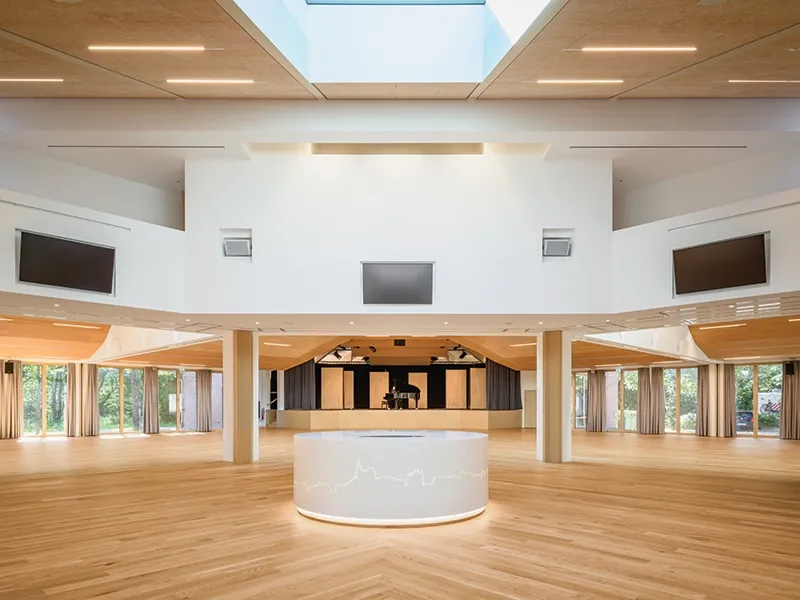
The academic spaces extend this logic, organised as daylit, functional volumes that support both structured learning and informal use. Across the campus, the architecture remains measured, focusing on proportion, light, and usability to shape an environment that is both robust and adaptable.
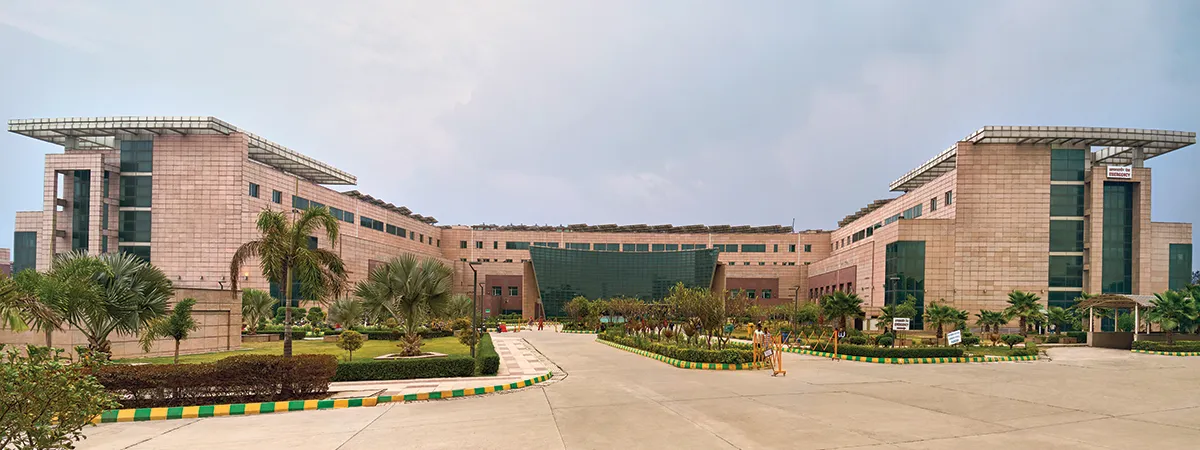
The project operates through clarity of planning, restraint in expression, and a consistent response to climate and use. It positions architecture not as an imposed form, but as an enabling framework, one that supports the everyday realities of healthcare and education while remaining adaptable to future demands.