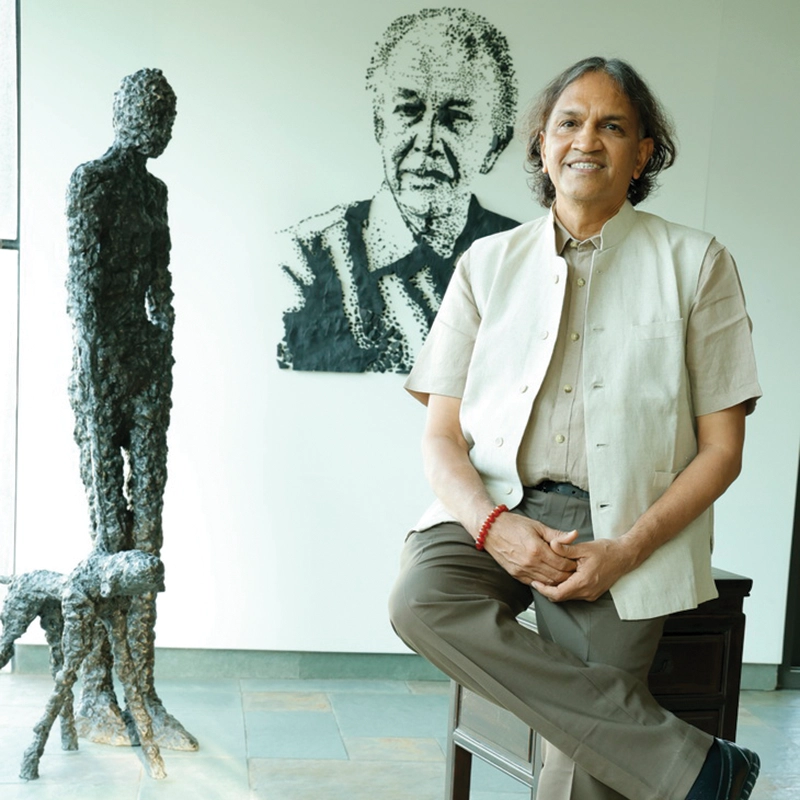
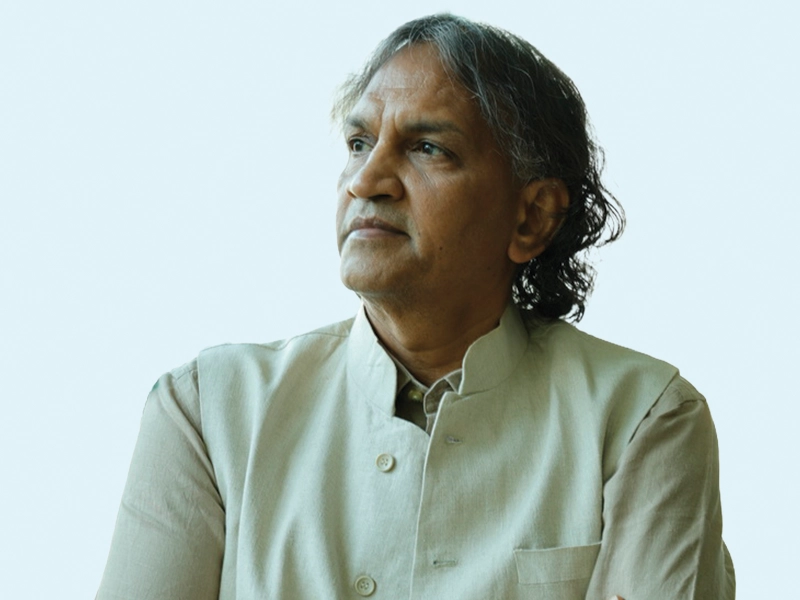
His firm in Indore is the smallest private building in the country to earn a Platinum rating from IGBC and was also awarded the best eco-friendly office in the Asia Pacific Property Awards held in Bangkok recently. Manish also holds a place of pride in the prestigious list of ‘HOT 100’ Designers of India.
He established his firm with the idea of designing spaces that stand the test of time, while enhancing the quality of the built environment and the lives of the occupants. His practice endeavors to employ technologies that sustain rather than pollute, and which are durable rather than replaceable.
Manish was the Founder Chairman of IIID Indore during 2008-2010, and also Chairperson for the IIID National Convention (one of the largest gathering of Architects and Interior Designers in the Indian subcontinent) held at Goa in 2018 and again in Nasik in 2024.
As an ardent globe trotter and photographer, his travel bucket list has overflowed with visits to over 100 countries, some of which were revisited multiple times. His solo exhibition PADAAV showcasing his travel photography, held every year in Indore, is a must-see.
In his own words…
I often call myself an accidental designer…I studied civil engineering and graduated with honours. Later, I moved to Delhi to prepare for civil services, but during that time, I got admission to the School of Planning and Architecture for my post-graduation.
Studying there alongside architects helped me discover my natural interest in design. After finishing my studies, I worked for a year in Delhi and Mumbai before starting my own practice in 1993.
It has been a gradual journey — the first 10 to 15 years were all about slow but steady organic growth. From the very beginning, we worked on both architecture and interior design. For me, architecture and interior design have always gone hand in hand. It’s something I truly enjoy and connect with deeply.
For me, God is the greatest designer…
I try to learn from nature and observe the world around me. When I look at mountains, rivers, forests, and trees, I feel they are the best examples of beautiful design.Sometimes I look at tree branches stretching so far outward, almost like cantilever structures, and I wonder how nature creates something so strong and yet so flexible. I notice how trees move with the wind and adjust naturally, and that idea inspires me in design too, especially while thinking about facades and spaces.
All these observations have influenced the way I design. I also enjoy learning from art, history, and historical places because they carry the wisdom of the past. Observation plays a very important role in my design process, and nature is always a big source of inspiration for me.
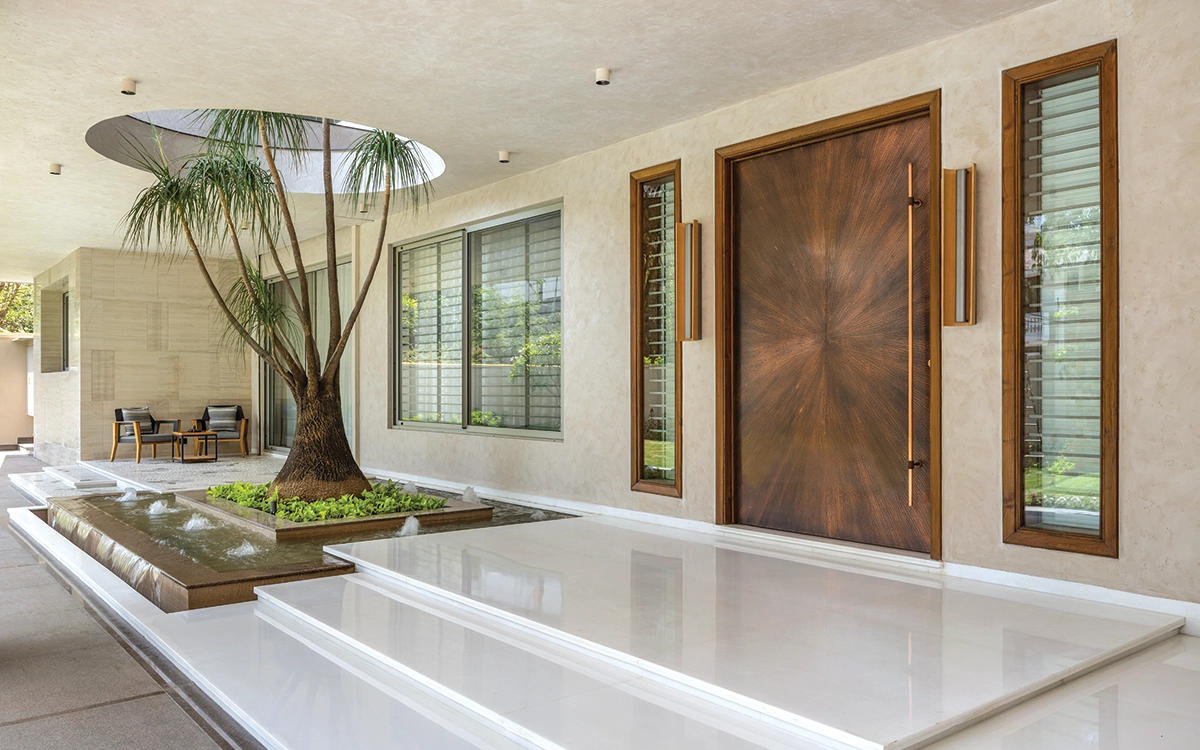
I strongly feel that every space should have a connection with greenery and nature. Indoor and outdoor spaces should flow together naturally so that architecture and interiors feel like one complete experience.
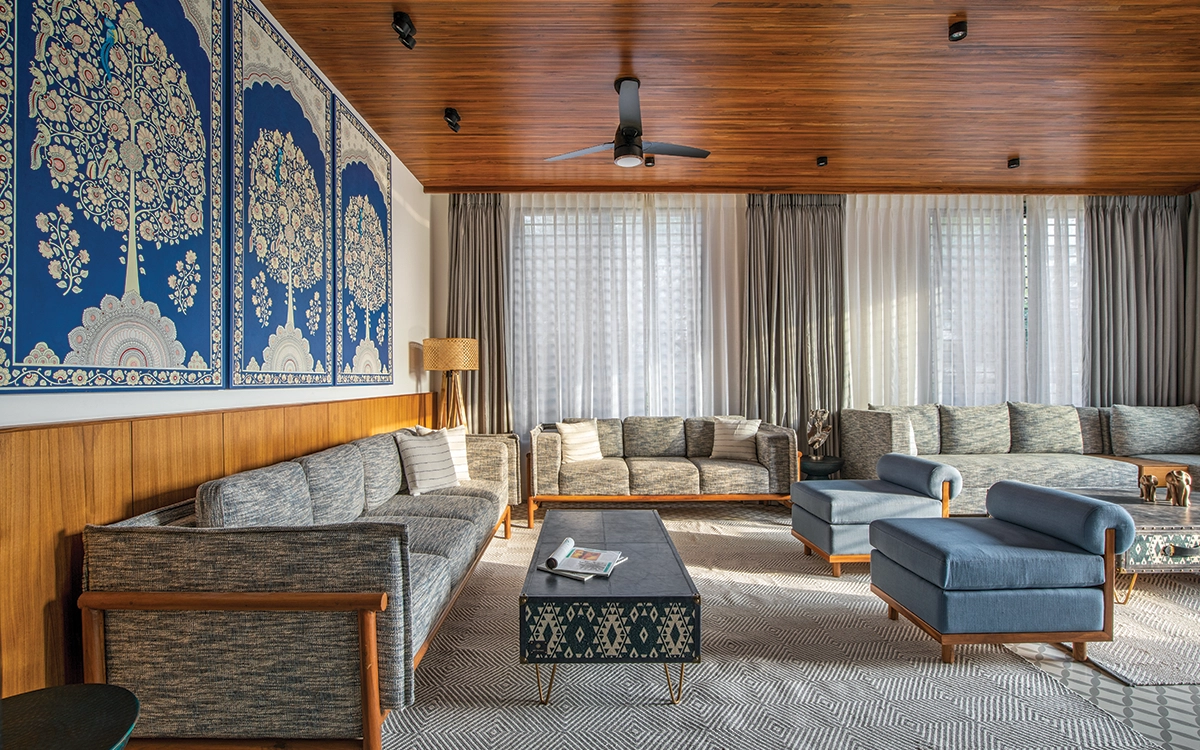
I don’t see architecture and interior design as separate fields. One may be larger in scale and the other more detailed, but when both come together, they create a complete design. And when art is added into the space, it gives the design more depth and character.
The idea of Aparigraha has led me towards minimalist design…
I come from a Jain family, and I strongly believe in the idea of Aparigraha, which means living with fewer possessions and understanding the difference between need and greed. This philosophy has greatly influenced me and naturally led me towards minimalist design.I also feel that most of the energy we use today still comes from fossil fuels, and that makes sustainability very important to me. In our work, we always try to guide our clients towards more sustainable choices.
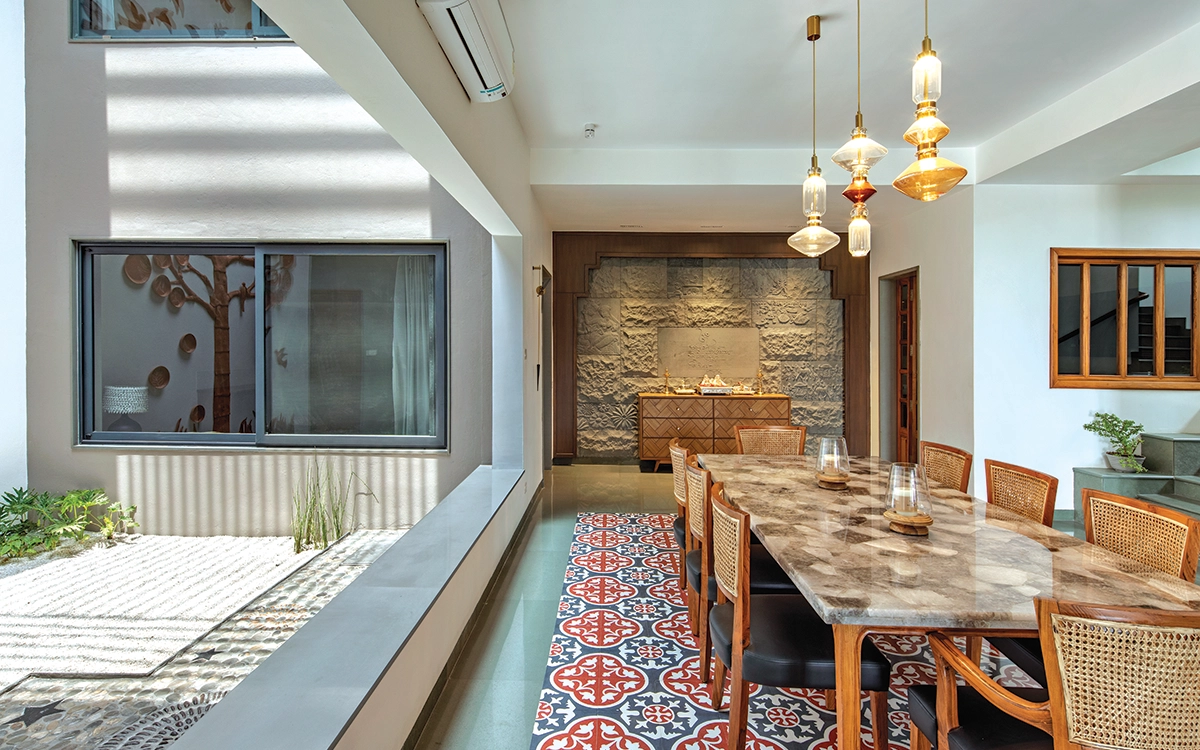
I won’t say that we are completely successful every time, but we genuinely make an effort — whether through materials, specifications, or design approaches — to create spaces that are more sustainable and minimal.
At the same time, we also try to bring a sense of Indianness into our designs so that the spaces feel connected to their cultural context and surroundings.
When architecture and interior design come together, they create a complete design. And when art is added into the space, it gives the design more depth and character.
In every space that I design, I try to bring in a sense of soul and emotion...
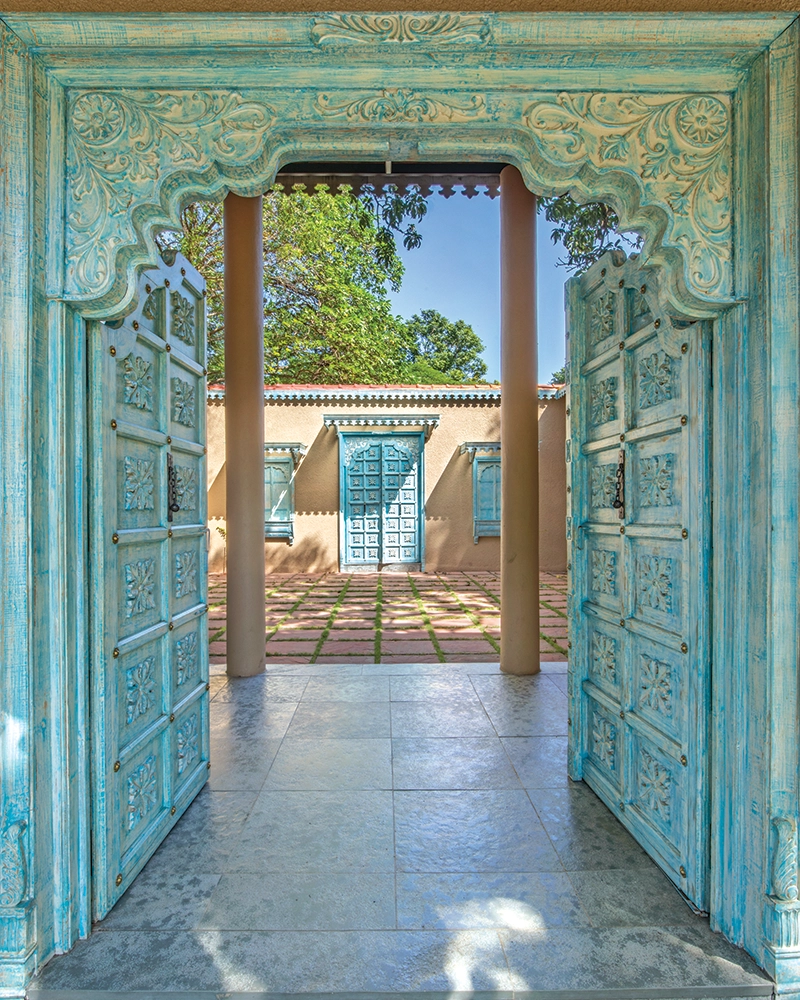
In every space we design, we try to bring in a sense of soul and emotion. That feeling is very important to us, no matter what kind of project we are working on.
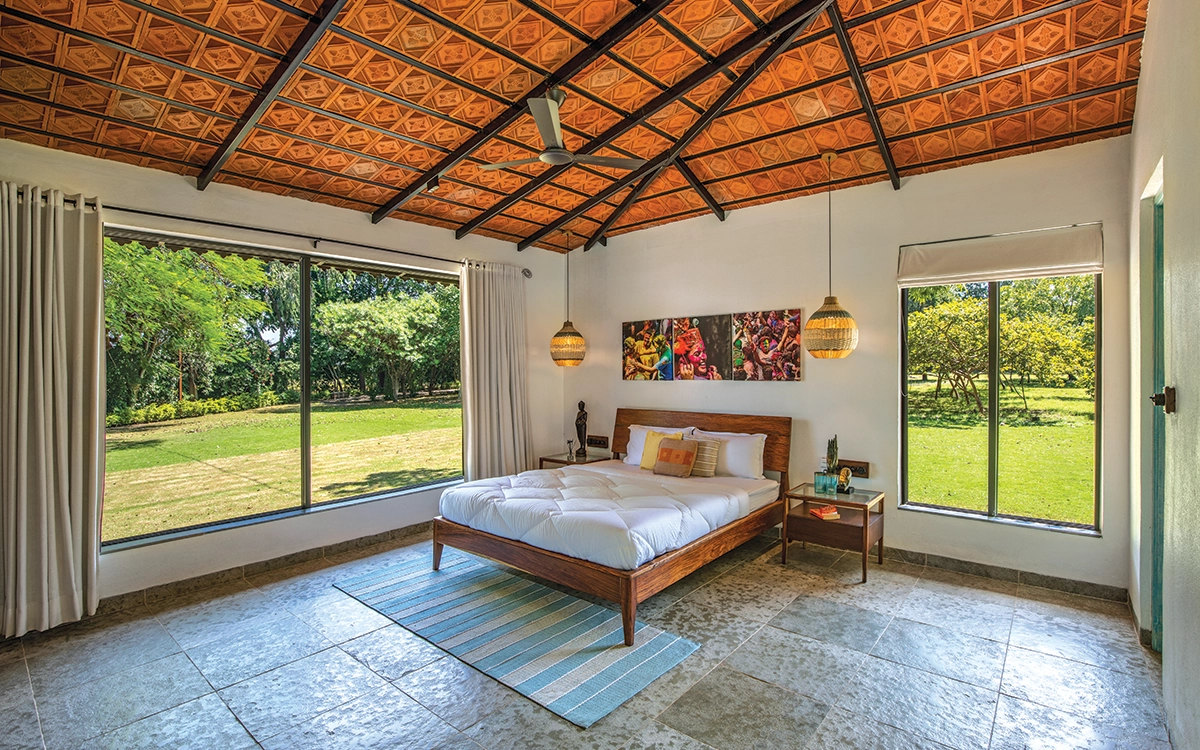
But if I have to choose something personally close to me, I would say my own home and office. These spaces truly reflect my design philosophy — they are simple, minimalist, and deeply connected with nature. Nature is present all around, and we have tried to bring natural elements into the interiors as well.
These projects are special to me because, in this case, the designer and the client were the same person.
My profession gives me creative satisfaction, while my passion brings balance and freshness to life…
I believe there are two very important parts of life. One is your profession, and the other is your passion. As a designer, my profession is designing spaces, and my passion is travelling and photography. Both are equally meaningful to me.My profession gives me creative satisfaction, while my passion gives balance and freshness to life. It breaks the routine and adds a different kind of happiness and fulfilment.
Over the years, travelling and photography have become a very important part of my life. I love travelling to different places around the world, meeting people, understanding different cultures, and capturing moments through photography. I enjoy photographing people, places, nature, and wildlife.
This passion eventually led me to start my own photography exhibition called PADAAV, of which we have successfully completed five years, and the response and encouragement I receive through it give me a lot of joy and motivation.
I have always believed that design is something you learn through observation…
As someone who loves travelling and has seen many places around the world, I feel a lot of my learning has come from these experiences and observations. Many of those impressions eventually reflect in my designs.For me, travelling is not just a hobby. It is also a way of learning, understanding, and observing different cultures, places, and lifestyles. It gives me a deep sense of fulfilment.
I also feel that as designers, we are always evolving and constantly learning through life and experiences.
What excites me most is the surprise element in design…
I feel that designers naturally develop an eye for photography because they understand proportions, composition, light, and the beauty of spaces. That is why many designers are also good photographers and passionate travellers. I think all these things are deeply connected and influence each other.When you travel, you experience different kinds of spaces — nature, hospitality spaces, cities, and urban environments — and each of them inspires design in some way.
What excites me most is the surprise element in design. Somewhere in the world, someone is always looking at things differently and creating something unique. Seeing these different perspectives and ideas becomes a big source of inspiration.
I believe these experiences and inspirations are very important because they help a designer grow, evolve, and continuously improve their understanding of design.
Over the years, my design approach has become more organic, more minimal, and more connected to simplicity…
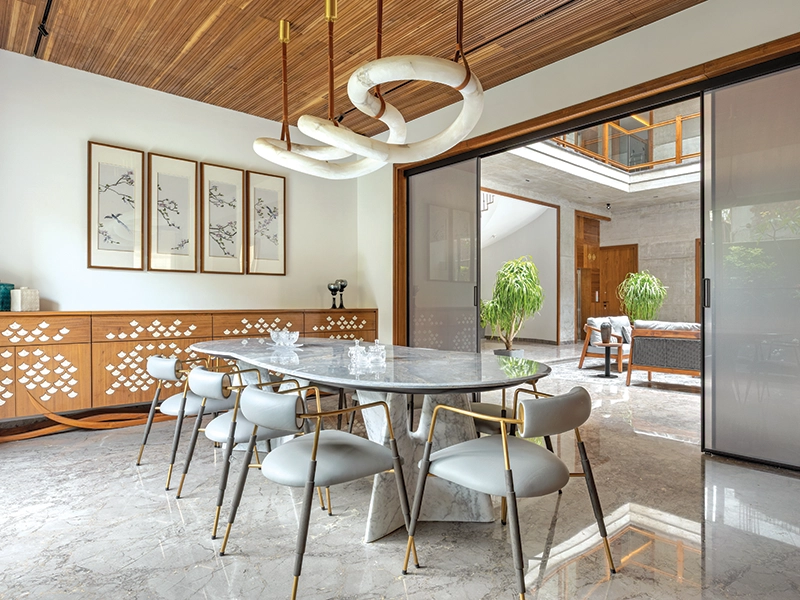
What we used to think or create 25 years ago is very different from today, not only because of changes in materials and technology, but also because design thinking itself has changed. Over the years, my own design approach has become more organic, more minimal, and more connected to simplicity.
For me, creating an experience through design is far more important than creating something just to impress people. A soulful design comes from the feeling and experience it creates, not from expensive materials or flashy elements.
I believe even simple, locally available materials can create beautiful spaces when used thoughtfully. Using local craftsmanship and keeping the design raw, natural, and honest gives it warmth and character. In the end, all these small things come together to make a design feel simple, meaningful, and soulful.
I believe locally sourced and natural materials bring warmth, character, and authenticity to projects...
For me, materials that are natural and handmade are always special. I deeply value the art and craftsmanship of our country, and I like using materials that are locally available and naturally suited to the space.In our designs, we always try to include more of these kinds of materials because they bring warmth, character, and authenticity to the project.
We also spend a lot of time creating mood boards, exploring different colour combinations, and experimenting with materials to make every project feel unique and interesting.
I feel that bringing Indian elements into modern design gives the space a stronger identity…
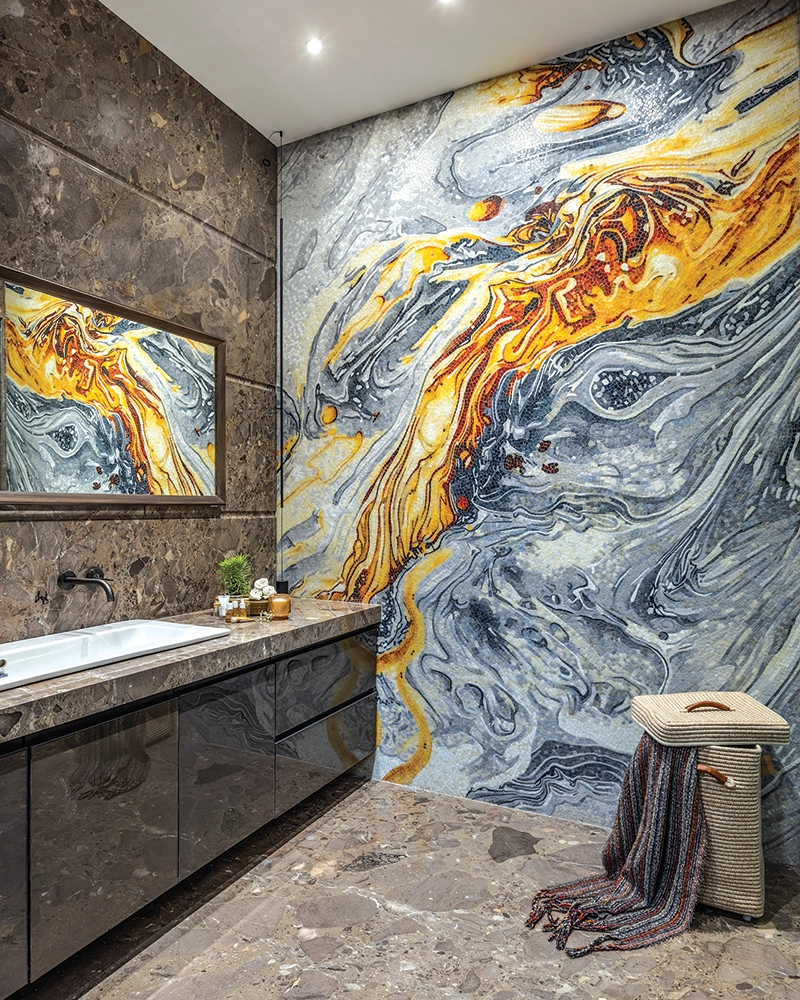
I feel that bringing Indian elements into modern design gives the space a stronger identity and connection to its context. It also helps present India as a nation with its own unique design language and character.
That is why, in many of our projects, we focus on creating contemporary designs while thoughtfully incorporating a sense of Indianness into them.
For me, minimalism is not just a design style, but a way of thinking and living...
I strongly believe in minimalism because my philosophy towards life has always been simple and grounded. I feel that true happiness does not come from having too many things, but from understanding what is really necessary and meaningful in life.This thinking naturally influences my approach to design as well. I prefer spaces that are clean, calm, and functional rather than overly decorative or complicated.
I believe that when a space is simple and thoughtfully designed, it creates a sense of peace and balance. That is why many of our designs focus on simplicity, natural materials, openness, and a strong connection with the surroundings, instead of unnecessary elements or excess.
For me, sustainability is not just a trend; it is a personal responsibility...
Today, the whole world is experiencing the effects of climate change, and because of that, sustainability is no longer just a buzzword — it has become an important part of everyday life.I feel that many traditional designs from earlier times were naturally sustainable. But over the last few decades, we have used the earth’s resources without enough thought, and now the impact of climate change is clearly visible and widely discussed everywhere.
As designers, we should create spaces that respect nature and use resources carefully. Sustainability should reflect not only in the materials we choose, but also in the technologies and overall design approach we adopt.
I anticipate a better and more practical approach towards sustainability…
The time to preach has gone, and there’s no better time than now to practice sustainability with a deep understanding and execution of sustainable practices from material selection to efficient use of energy.Making the most of the natural resources to build eco-friendly structures will become a trend. How you deal with natural resources will be the new status symbol, not how expensive a car you flaunt.
Adequate use of renewable resources and giving preference to natural and recycled products will illustrate a new sense of luxury.
We live in the phase of climate change, and design sensitivity towards energy efficiency is one of the ways that architects can approach the current climate change that the world is experiencing. I expect to see a shift in architecture, with design becoming more holistic –– creating a new psychological makeup of the built environment. And we will see a convergence of vernacular building techniques along with advanced technology.
AI should support the designer, not dominate the design process...
I believe AI is here to stay, and designers will continue to use it more and more in the future. The important thing is how wisely and intelligently designers use it. The creativity, understanding, and judgment of the designer should always remain at the centre.In our practice, we are also trying to use AI to become more efficient and effective in the way we work and deliver designs. We are exploring its possibilities and understanding how it can help improve the design process.
I feel AI can be very useful for designers, especially in generating ideas and exploring multiple design options quickly. But in the end, the final direction and soul of the design should always come from human thinking and experience.