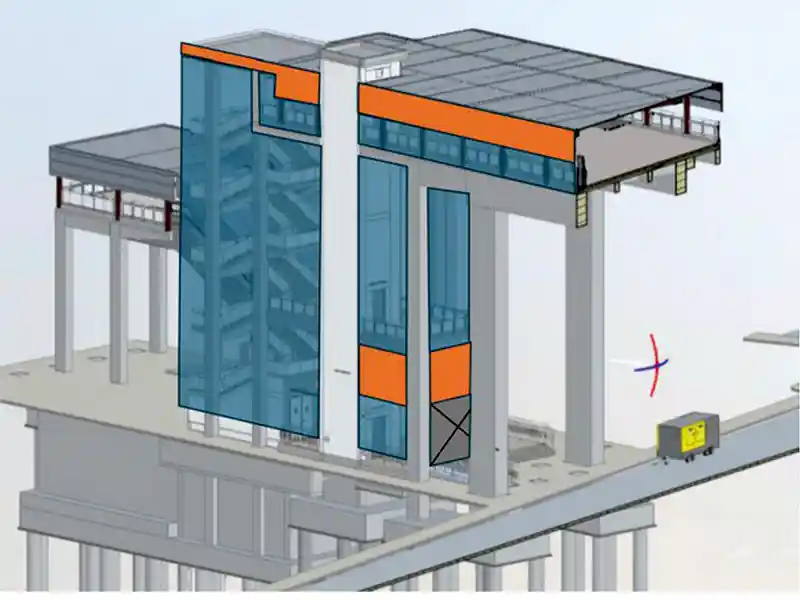
In high-rise construction, the façade acts as the building’s environmental interface. It regulates heat gain, daylight, wind pressure, acoustics, and energy efficiency while protecting the structure from harsh external conditions.
A well-engineered façade enhances occupant comfort and reduces energy consumption. Beyond performance, façades define how buildings contribute to the city skyline. In dense urban environments, they become the visual language through which architecture communicates its purpose and character.
Challenges in High-Rise Façade Design
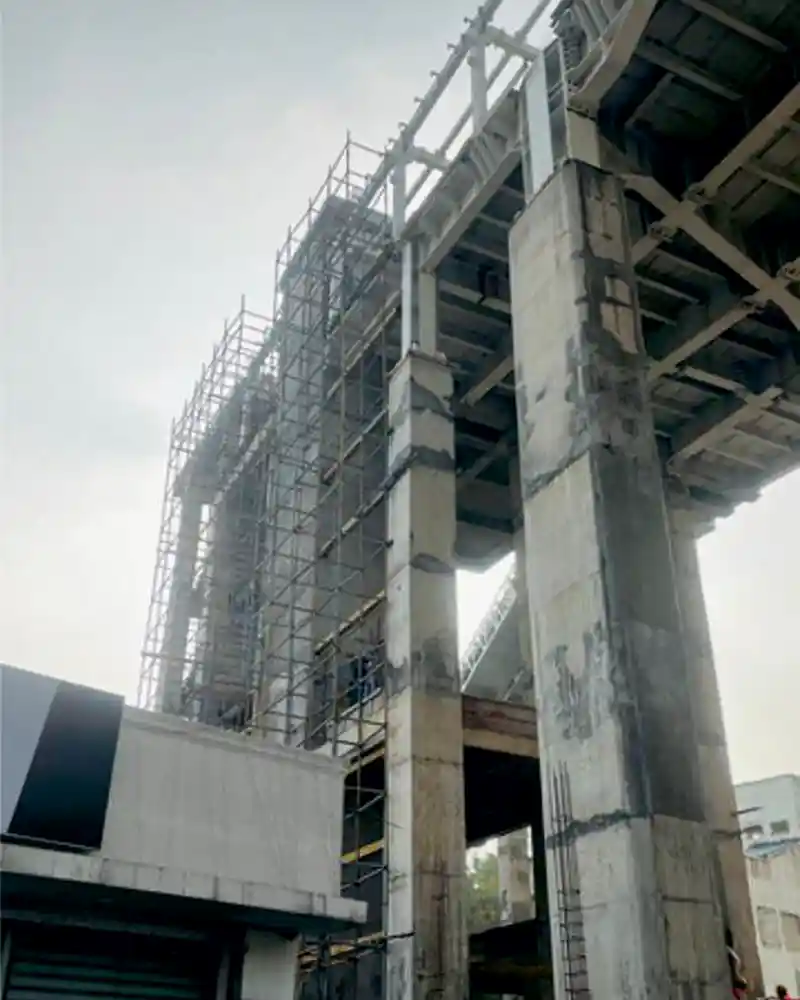
In our experience working on large-scale infrastructure projects such as the Chennai Metro, façade systems must meet stringent performance and safety standards while being executed within tight timelines and complex site conditions. Such projects highlight the importance of early-stage coordination between architects, façade consultants, and execution teams.
Materials and Systems: Performance-Driven Choices
Material selection plays a decisive role in high-rise façade success. Systems such as Double Glazed Units (DGU) and ACP cladding have become industry standards due to their performance reliability and adaptability.On projects involving DGU semi-unitized glazing systems, we have observed significant improvements in thermal insulation, acoustic control, and daylight optimization. High-performance glazing allows buildings to reduce solar heat gain while maintaining transparency and visual comfort—an essential requirement in modern high-rise developments.
ACP cladding, when engineered and installed correctly, offers durability, ease of maintenance, and design flexibility. Its lightweight nature makes it especially suitable for high-rise applications where structural load considerations are critical. However, quality control, fire-rated materials, and precise installation are essential to ensure long-term performance.
As cities continue to grow vertically, façades will evolve beyond static envelopes into intelligent building skins, enhancing sustainability, occupant well-being, and architectural expression.
Jabal Mohammed Riyasudeen
CEO, BluFacade

Sustainability and Energy Efficiency
Sustainability has become a fundamental expectation rather than an optional feature. Façades contribute directly to energy efficiency by minimizing heat transfer, reducing HVAC loads, and maximizing natural daylight.In both commercial high-rises and large public infrastructure projects, façade-driven energy performance has proven to be a decisive factor in achieving sustainable building goals. Climate-responsive façades, integrated shading systems, and high-performance glazing are increasingly shaping the future of urban construction.
Execution Excellence: From Design to Reality
A façade’s success ultimately depends on execution quality. High-rise façade installation demands meticulous planning, skilled workmanship, and strict safety protocols. Even minor deviations during installation can impact performance, aesthetics, and durability.At Blufacade, our approach emphasizes end-to-end responsibility—from design coordination and mock-ups to on-site execution and final performance validation. Projects such as the Chennai Metro reinforce the importance of precision, coordination, and adherence to global façade standards.
The Next Phase of High-Rise Façades
Façades are no longer secondary architectural elements; they are high-performance systems that define the success of high-rise buildings. Through thoughtful design, advanced materials like DGU glazing and ACP cladding, and precise execution informed by real-world project experience, façades will continue to shape the future of urban skylines.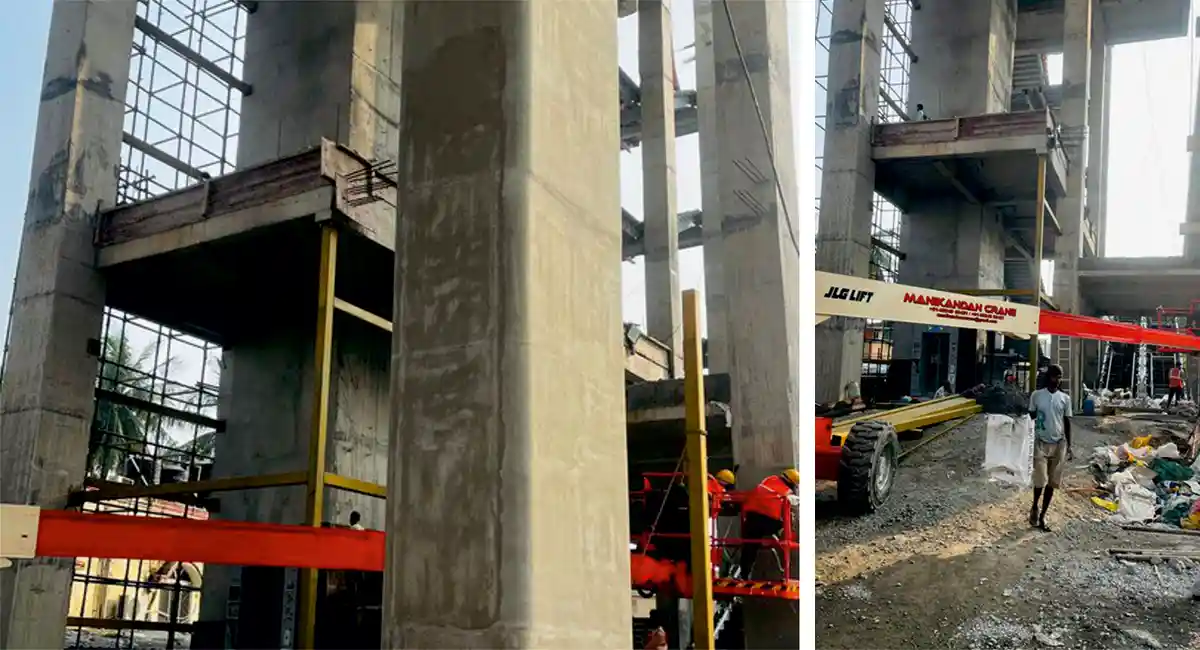
The next phase of façade evolution will focus on smart and adaptive systems. Dynamic glazing, integrated sensors, and digitally driven façade management systems will enable buildings to respond intelligently to environmental conditions.