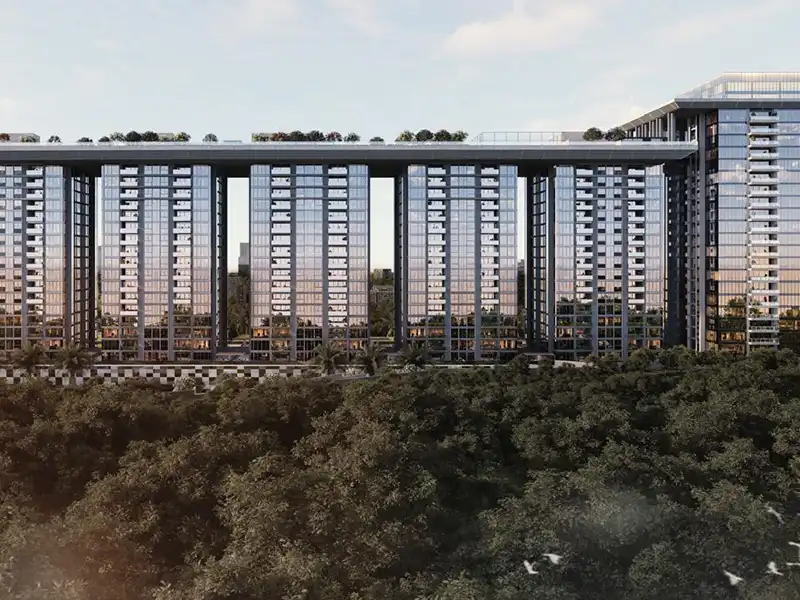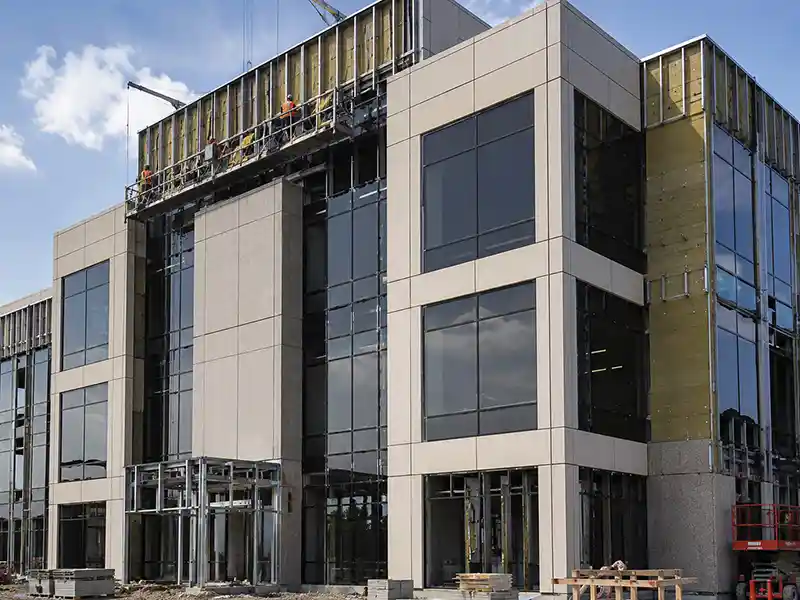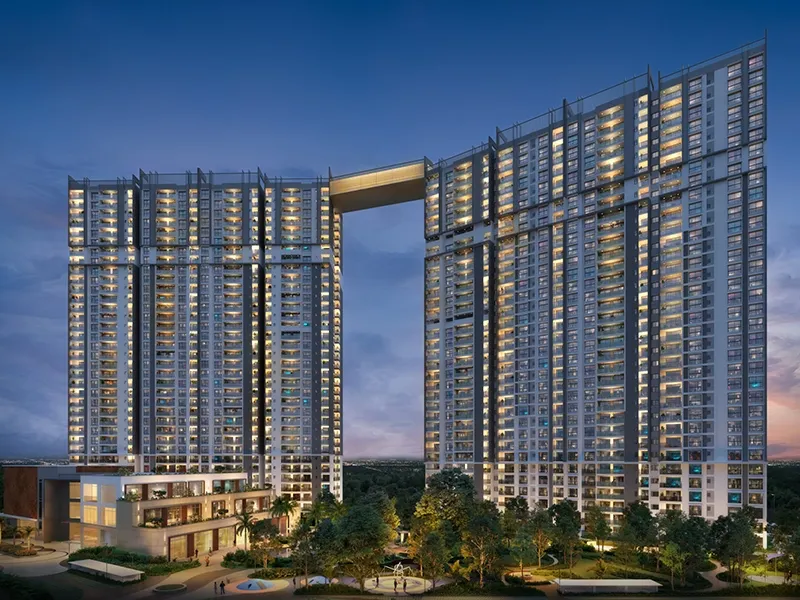
In many modern high-rises, especially the ones in places like Mumbai, Kolkata, Delhi NCR, and Chennai, the earliest signs of climate-related underperformance do not appear in the structure itself. They appear at the interface between the building and the environment, through leaking façades, failing joints, degraded sealants, overheating interiors, and envelope systems that begin underperforming long before the structure ever does. These may not be catastrophic failures, but they are clear indicators that the industry’s understanding of resilience is still too narrow.
If buildings are to remain structurally and operationally resilient in the face of climate volatility, the industry must shift from cost-led decisions to performance-led thinking.
Jatin Tyagi
Director
Fabricasto

One of the biggest shifts we must see to make sure there is structural integrity in high-rises is moving away from treating façades and fenestration as aesthetic packages or procurement line items.
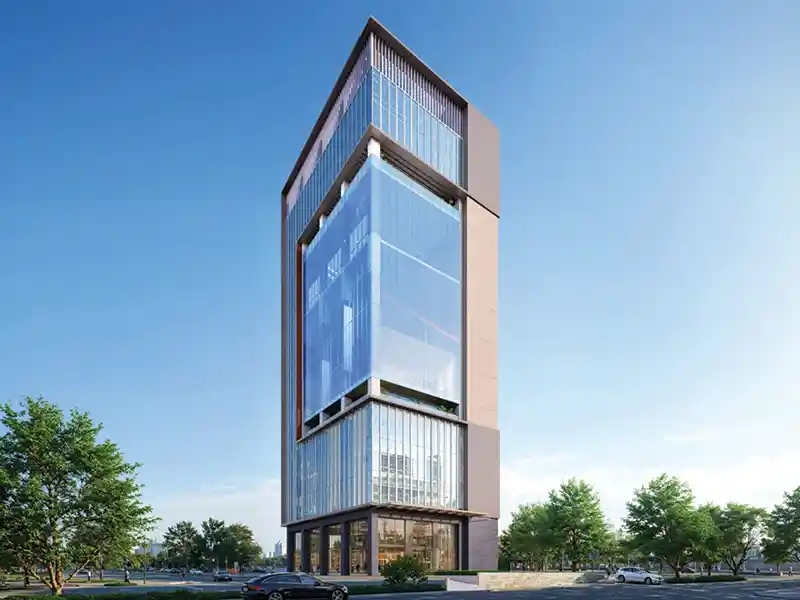
In practice, the façade is the building’s first operational line of defense against climate exposure. If that system is not engineered for performance, the structure behind it is forced to absorb consequences it was never meant to manage directly, and this is where the market still gets it wrong.
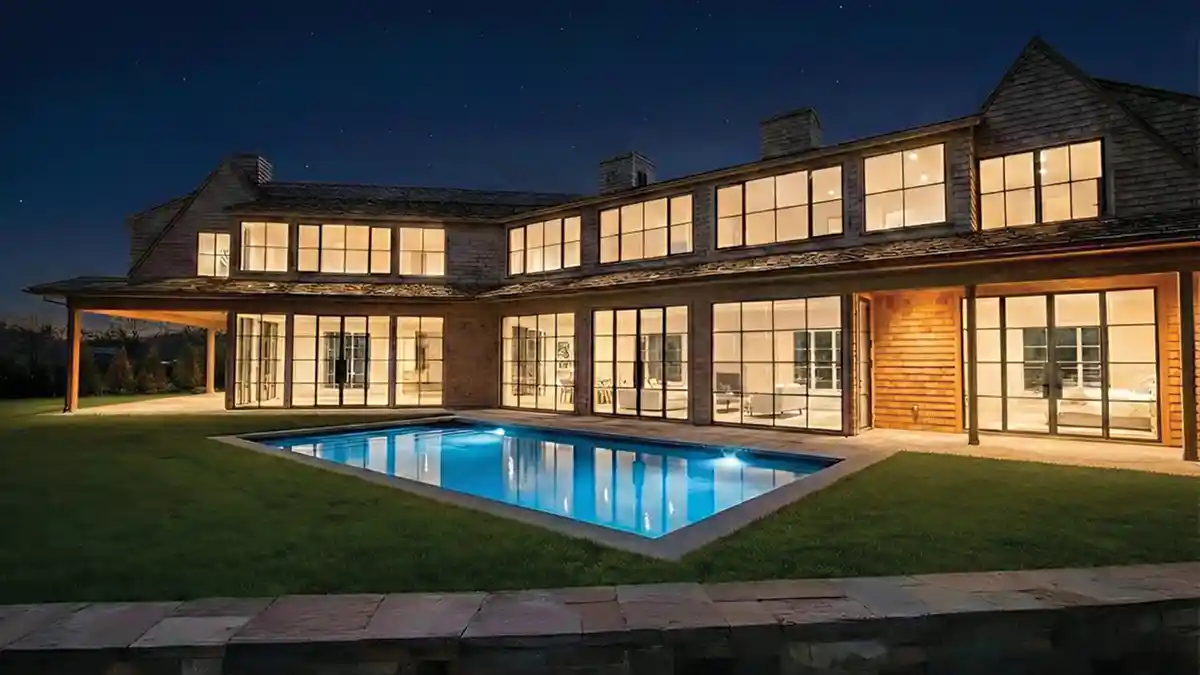
Too many projects continue to consider façades as a collection of materials: aluminum, glass, hardware, sealants, fasteners, and the installation nuances overall. But the ground reality for high-performing façades is quite different. Façades are not the sum total of its parts, but engineered and tested solutions that pretty much define the core resilience of the building and how it behaves against the forces of nature.
Take extreme heat, for instance. Glass is still frequently specified as a standard product rather than selected based on orientation, solar exposure, occupancy, and climate response. A nominal double-glazed unit (DGU) may satisfy a specification sheet, for sure, but if the glazing strategy has not considered heat gain, glare, or thermal stress behaviour, the building will underperform, regardless of how premium the glass appears on paper.
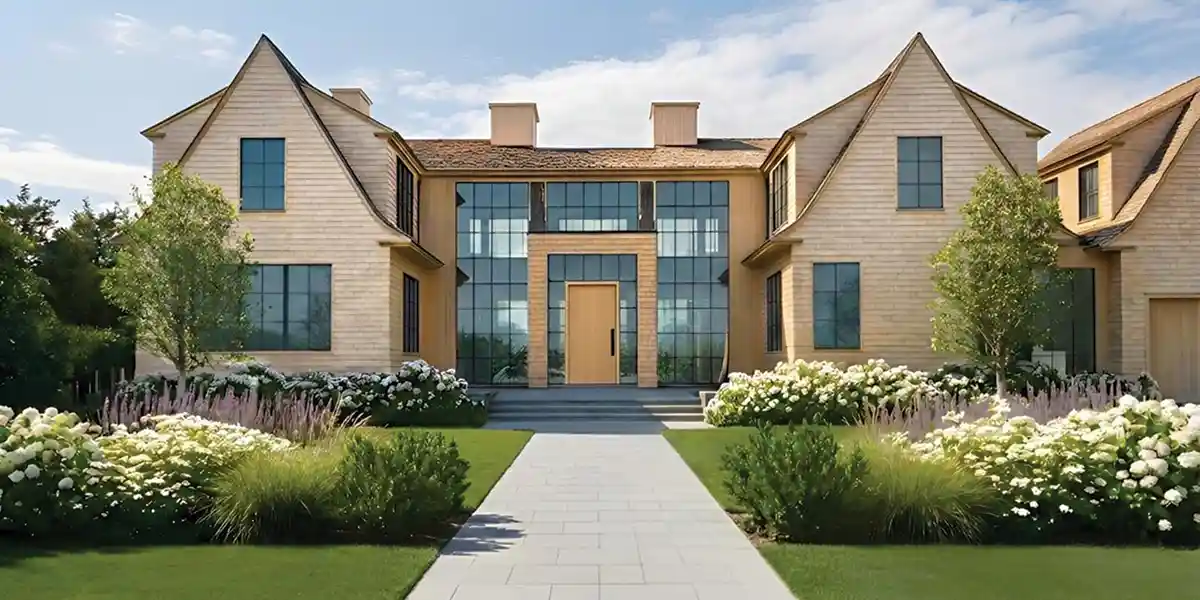
Heavy and erratic rainfall presents another challenge. Interestingly, most water-related façade failures are not caused by material defects but because drainage detailing, sill design, gasket systems, or joint engineering were treated as secondary considerations. Water management is considered to be one of the most under-appreciated aspects of façade performance in Indian construction, despite being one of the first parameters challenged by changing weather patterns.
Cost-Led Decision-Making Continues to be India’s Focus
I’ve noticed that in Indian markets, many developers still cut costs in areas that do not show up immediately, such as thermal breaks, drainage systems, gasket quality, and tested assemblies, because the impact from these comes in at a much later stage. The impact shows up through higher and trickier maintenance, forced retrofits, unsafe or uncomfortable living experiences, and operational inefficiency. So, if buildings are to remain structurally and operationally resilient in the face of climate volatility, the industry must begin shifting from cost-led decisions to performance-led thinking.The ground reality, from what I’ve seen, is that the next decade may not expose dramatic structural collapses caused by climate change. What it is more likely to expose is a growing pattern of systemic underperformance across buildings that were never truly designed for long-term climate resilience. So, if the industry continues to treat resilience as a structural question alone, it will keep solving only part of the problem.