Ricky Wells, Regional Managing Director – Capital Development, The Executive Centre Dubai

Biophilic Design 2.0: Beyond Visual Greenery
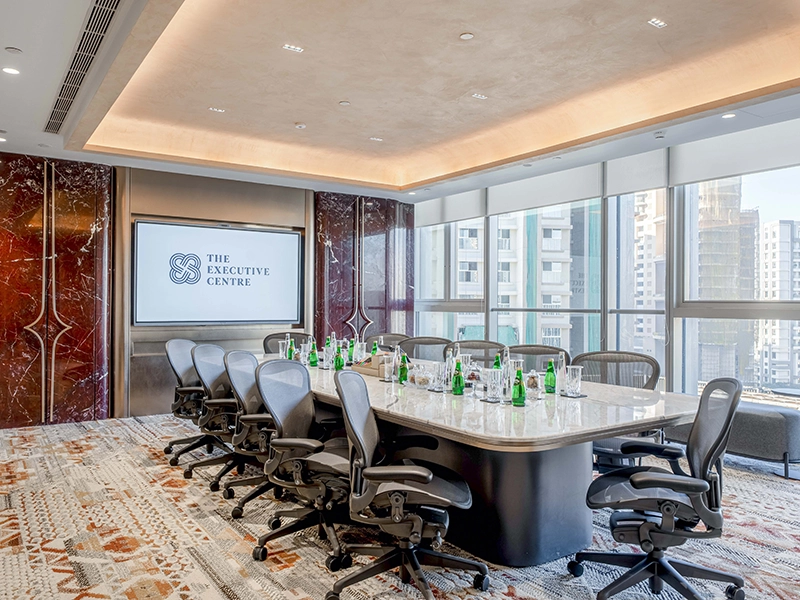
Optimised Natural Lighting: In the past, sunlight was merely considered a natural occurrence but now it becomes a tool for design through techniques such as facade planning, zoning, and use of reflective materials to maximize light and minimize glare. This creates both visual comfort and circadian rhythm, increasing alertness.
Acoustic Intelligence: Sound is perhaps one of the most overlooked disturbances to cognitive function in high-density office spaces. Acoustic zoning creates an in-between space where collaboration and relaxation coexist through biophilic design principles.
Materiality and Touch: Incorporation of natural materials such as timber, stones, cork, and fabric textures adds sensory value to the workplace. These materials are used not for aesthetic purposes but for decreasing psychological stress levels and bringing people into contact with nature.
Spatial Rhythm and Movement: Nature is full of diversity, and so should offices be. Differences in height, transitional spaces, and organic forms establish a rhythm akin to the environment. Spatial diversity enables various states of mind, ranging from concentration to creative thinking.
Air Quality and Environmental Health: Efficient ventilation systems, low-VOC materials, and integrated greenery improve indoor air quality, which directly affects mental performance. Research demonstrates that this environment boosts efficiency while diminishing fatigue and stress levels.
Restorative Micro-Environments: Perhaps the most important change would be the creation of micro-restorative spaces such as quiet pods, lounge spots, and green breakout spaces that enable mental regeneration from what is one of the major problems facing workers today – attention fatigue.
Designing for a Post-Digital Brain
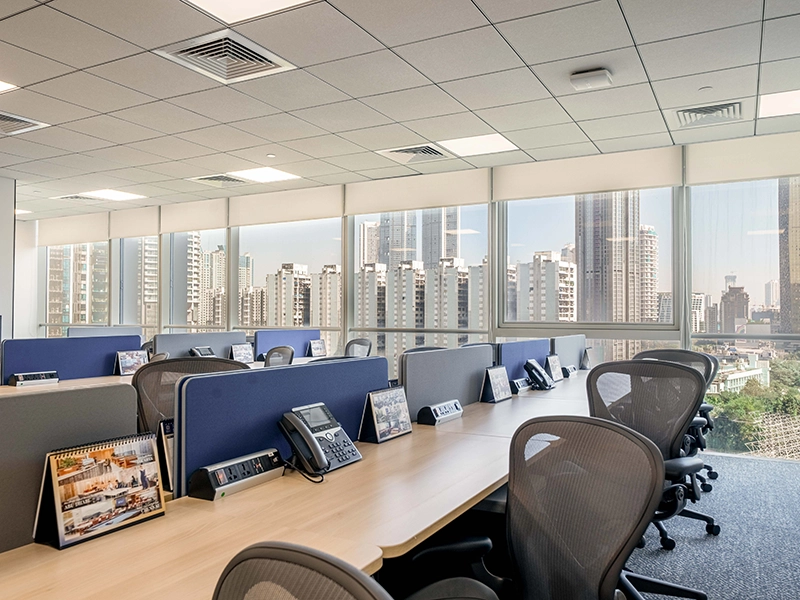
Natural settings have been proven to boost concentration, creativity, and overall job contentment while decreasing anxiety and mental exhaustion. Through the use of natural cues, such as lighting, tactile surfaces, sounds, and airflow, biophilic settings stimulate the mind in ways impossible for a computer screen alone. Slower mental processes, enhanced focus, and greater collaboration ensue.
Thus, Biophilic Design 2.0 is less about importing nature into the workplace and more about reprogramming the human mind within it.
The Indian Opportunity
India is at a confluence point where rapid urbanisation, its labour force, and the internationalisation of work culture intersect to transform the expectations of the workplace. This is an unequivocal moment for developers, occupiers, and operators who have a chance to rise above the standardisation of the office environment and develop workplaces that achieve tangible human benefits.The future-proof workplace of India will be less about density and more about creating an environment that fosters wellness, cognition, and performance.