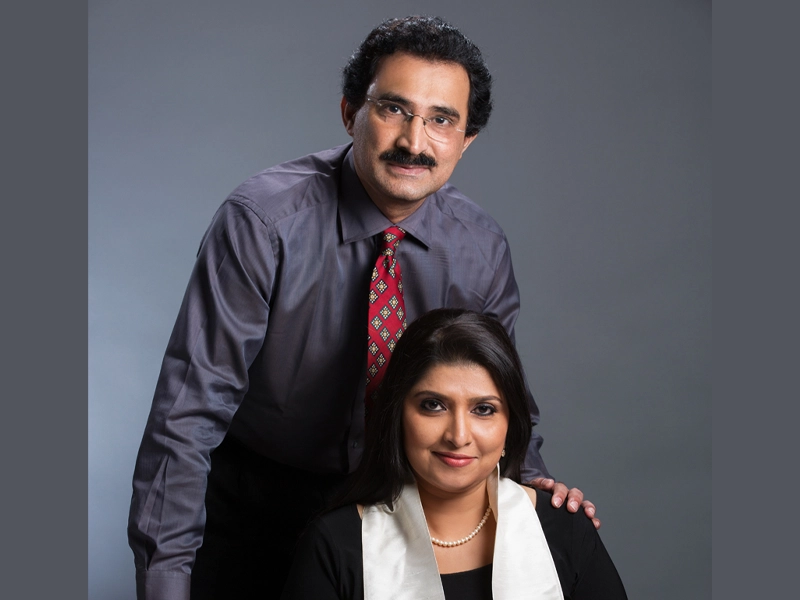
By Architects Ponni & Oscar, Chennai
India is urbanizing at a pace unmatched in its history. By 2030, more than 600 million Indians will live in cities, and by 2040, urban India will define the nation’s economic, social, and environmental trajectory. Cities already contribute over 60% of the country’s GDP, yet they occupy less than 3% of its land. This imbalance tells a powerful story: cities are India’s greatest assets, but also its greatest vulnerabilities.Today, Indian cities stand at a crossroads. Congestion, flooding, water scarcity, unaffordable housing, and fractured governance are not isolated problems. They are symptoms of a deeper structural mismatch: our cities have outgrown the systems that manage them. Addressing these challenges is not simply about building more flyovers, metro lines, or housing units. It demands a more fundamental shift, rethinking leadership, governance, and the very way we imagine urban life.
The Leadership Question
Urban transformation is often framed as a technical or infrastructural challenge. In reality, it is fundamentally political. The difference between cities that thrive and those that stagnate often comes down to leadership. Strong political leadership provides vision, aligns fragmented institutions, mobilizes resources, and builds public trust. It converts plans into action and ensures continuity across time. In India, however, urban governance remains constrained. City governments frequently lack autonomy, financial authority, and administrative coherence. Multiple agencies operate in silos, often duplicating responsibilities or working at cross purposes.The result is predictable: delays, inefficiencies, and underperformance. Projects stall, policies lack continuity, and citizens lose faith in systems meant to serve them. If Indian cities are to succeed by 2040, political leadership must evolve, from administrative oversight to visionary governance. Leaders must think beyond short-term projects and electoral cycles, championing long-term, system-wide transformation.
Why Chennai Offers a Blueprint
Chennai exemplifies both the promise and the peril of urban India. It is a city of immense strengths: a thriving IT and manufacturing economy, a major port, a rich cultural legacy, and expanding metro infrastructure. Yet it is equally defined by its vulnerabilities. The floods of 2015 exposed the fragility of its drainage systems, while the water crisis of 2019 revealed the consequences of neglecting traditional water networks. These crises were not anomalies, they were warnings. They highlighted systemic failures in planning, governance, and ecological stewardship.Chennai’s future will depend on whether it can transform these vulnerabilities into opportunities for systemic change. If it succeeds, it can become a model for other Indian cities navigating similar challenges.
From Infrastructure to Ecosystems
For decades, Indian cities have relied on infrastructure-heavy solutions, roads, flyovers, and isolated mega-projects. While necessary, these approaches are no longer sufficient. Cities must now be understood as living ecosystems, where water, mobility, housing, economy, and public life are deeply interconnected. Take water management as an example. Chennai was once known as the “city of a thousand tanks,” with an intricate network of lakes, canals, and wetlands that regulated floods and sustained groundwater. Over time, many of these systems were encroached upon or neglected.Restoring these ecological networks, along corridors such as the Buckingham Canal can simultaneously reduce flooding, recharge aquifers, and create vibrant public spaces. This is not merely environmental restoration; it is urban regeneration at its most integrated. Similarly, streets must evolve beyond their current role as conduits for vehicles. They should become inclusive public spaces, shaded, walkable, and accessible. Cycling infrastructure, pedestrian-first design, and integrated public transport systems can transform mobility while improving public health and social interaction.
Designing for All Generations
A truly modern city must work for everyone. India’s demographic diversity demands an inclusive approach to urban design. The country’s young population seeks opportunity, jobs, innovation hubs, cultural spaces, and seamless mobility. Cities must enable entrepreneurship, creativity, and engagement through dynamic urban environments. Walkable neighborhoods, co-working ecosystems, and active public spaces can transform cities into engines of aspiration.At the same time, India’s ageing population is growing rapidly. Elderly citizens require safe streets, accessible transport, and integrated healthcare systems. Designing for them is not a niche concern; it is central to humane urbanism. Inclusive design benefits all. Barrier-free infrastructure, safer public spaces, and efficient transport systems improve quality of life across age groups and abilities. By 2040, cities will not be judged solely by their skylines, but by how they treat their most vulnerable residents.
Safety for Women and Children
Safety in Indian cities remains uneven, shaped not only by crime but by how urban environments are designed and experienced. Women often report feeling unsafe in public spaces, particularly at night, in transit systems, and in poorly lit or isolated areas. While Chennai fares relatively better than many cities, significant gaps persist, especially in last-mile connectivity and pedestrian infrastructure. For children, unsafe streets, traffic risks, and the lack of inclusive public spaces restrict independent movement and development.The core issue lies in planning priorities. Cities have historically been designed around vehicles and economic efficiency rather than everyday human experiences. Women’s mobility patterns, often involving caregiving, multiple stops, and reliance on public transport—are rarely prioritized. Similarly, children are treated as dependents rather than active users of urban space. Reimagining cities requires embedding safety into design. Well-lit streets, active public spaces, mixed land use, and continuous pedestrian networks create environments where natural surveillance enhances safety. Reliable and frequent public transport, supported by safe last-mile options, ensures mobility does not collapse after dark.
A child-first approach is equally important. Traffic-calmed neighborhoods, safe school routes, and integrated play areas can make cities safer for everyone. Technology can support these efforts through smart lighting and emergency systems, but it must complement, not replace good design. Ultimately, a safe city is not one with more surveillance, but one where people can move freely without fear.
Designing for Generation Z
By 2040, Generation Z will form the backbone of India’s workforce and leadership. Designing cities for them requires rethinking urban life around their values flexibility, sustainability, inclusivity, and experience. Gen Z prefers seamless, multimodal transport over private car ownership. Cities must integrate metro systems, buses, cycling, and shared electric mobility into a cohesive network that is affordable and efficient.They also blur the boundaries between work, leisure, and social life. Mixed-use developments that combine co-working spaces, cultural venues, green areas, and local businesses will define successful urban environments. Sustainability is non-negotiable. Climate-resilient infrastructure, renewable energy, waste reduction systems, and the restoration of natural ecosystems must be embedded into urban design. In a climate-sensitive city like Chennai, this is not just desirable it is essential.
Technology will play a critical role, but as an enabler rather than a driver. Smart systems must be transparent, user-centric, and focused on improving daily life while encouraging civic participation.
Public Education and Community Awareness
While infrastructure and policy are crucial, long-term urban transformation depends on awareness, behavior, and community responsibility. Public education is a powerful tool for improving safety and supporting vulnerable populations. In India, many individuals lack awareness of their rights, legal protections, and available support systems. Public education campaigns can bridge this gap by promoting knowledge about safety, digital literacy, and civic responsibility.School curricula should include lessons on personal safety, gender sensitivity, and respect for diversity. Community-based programs can train citizens in first aid, emergency response, and bystander intervention. In Chennai, localized initiatives can address challenges such as disaster preparedness, particularly for floods and cyclones. Digital platforms can further enhance outreach, providing real-time information and connecting citizens to services. An informed society is a safer and more resilient one.
The Missing Link: Governance Reform
None of these ambitions can be realized without addressing a fundamental constraint: governance. In Chennai, multiple agencies operate with overlapping mandates, leading to duplication, delays, and weak accountability. Reforming this fragmented system is essential. First, metropolitan governance must be integrated. A coordinated framework is needed to align planning, infrastructure, and service delivery. Second, municipal institutions must be empowered financially and administratively, with greater control over revenues and decision-making.Third, governance must become data-driven. Real-time monitoring and evidence-based policymaking can improve efficiency and transparency. Finally, cities require continuity of vision beyond electoral cycles. Long-term strategies must be institutionalized to sustain progress over decades. Without governance reform, urban development will remain reactive. With it, cities can become agile, accountable, and future-ready.
The Expanding Role of Architects
Urban regeneration is not the responsibility of governments alone. It requires collaboration across disciplines. Architects must evolve beyond designing buildings to becoming urban strategists. Their role now includes shaping policy frameworks, restoring ecological systems, designing public spaces, and engaging communities.In cities like Chennai, architects can reimagine water systems, redesign streets, and develop inclusive housing models. They can bridge the gap between vision and implementation by translating complex challenges into spatial solutions. This shift from object-based design to systems thinking is essential for creating sustainable and inclusive cities.
Cities as Shared Projects
Perhaps the most important shift is this: cities cannot be designed for people; they must be designed with people. Urban development in India has traditionally followed a top-down model. While efficient in some cases, it often fails to reflect the lived realities of citizens. The result is underused infrastructure and social disconnect.Participatory governance offers a more effective alternative. Citizen consultations, ward committees, and neighborhood forums allow residents to shape decisions that affect their lives. Digital platforms can further enhance engagement through real-time feedback and transparency.
Participation builds trust and ownership. When people are involved in shaping their cities, they are more likely to sustain and protect them.
A Vision for Chennai in 2040
Imagine Chennai in 2040 as a city that has embraced its geography, culture, and people to become a global model of resilience and inclusivity. Its restored rivers, lakes, and canals form a living blue-green network—absorbing floods, recharging groundwater, and providing public spaces for recreation and community life. What was once a source of crisis has become a foundation for sustainability.Mobility is seamless and equitable. Expanded metro networks, efficient buses, and safe walking and cycling infrastructure have reduced congestion and pollution. Streets are vibrant public spaces, animated by people rather than dominated by vehicles. Housing is inclusive and dignified. Mixed-income communities replace segregated development patterns, ensuring equitable access to opportunity. Informal settlements are upgraded and integrated without displacement.
The city supports all generations nurturing youth through innovation and opportunity while ensuring safety and accessibility for the elderly. This vision is not utopian. It is achievable but only through decisive and sustained leadership that aligns policy, institutions, and public participation.
The Road Ahead
India’s urban future will not be shaped by chance. It will be shaped by deliberate choices political, institutional, and collective. Cities will continue to grow. That is inevitable. The real question is whether they will grow inclusively, sustainably, and resiliently.The answer lies in leadership. Political leaders must rise to the challenge, moving beyond incremental improvements to embrace transformative change. Governance systems must evolve, institutions must collaborate, and citizens must be empowered. By 2040, Indian cities have the potential to become engines of prosperity, innovation, and quality of life not just for India, but for the world.The blueprint exists. The urgency is clear. What remains is the will to act.
Architects must evolve beyond designing buildings to becoming urban strategists. Their role now includes shaping policy frameworks, restoring ecological systems, designing public spaces, and engaging communities.