
As façade systems become more complex and regulatory scrutiny increases, traceability and documented performance are expected to play a larger role in project risk management.
Ashok Kumar Bhaiya, CMD, Aludecor
Façade systems play an important role in the long-term performance, safety, and visual identity of buildings. Over decades, materials such as glass, concrete, and aluminium composite panels (ACPs) have stood the test of time, adapting to changing architectural needs and urban environments. Among these, ACPs have emerged as one of the most preferred façade materials, valued for their sleek appearance, design flexibility, wide colour palette, durability, low maintenance, and relatively lighter environmental footprint.However, as ACP usage has scaled across commercial, institutional, healthcare, hospitality, and residential developments, the industry must confront a critical challenge: façade performance is often evaluated at the point of sale, while failures emerge much later in the building lifecycle. This lag between specification and consequence has placed increasing pressure on fabricators, contractors, architects, builders and consultants, many of whom operate with limited access to verifiable material performance data.
Addressing this gap requires testing to move beyond a compliance-driven or brand-specific exercise and function instead as a neutral industry mechanism. It is for this reason that Aludecor has launched the Test Nahi Toh Trust Nahi Movement that it describes as the largest voluntary, free, open-to-all ACP material testing initiative in the Indian façade sector.

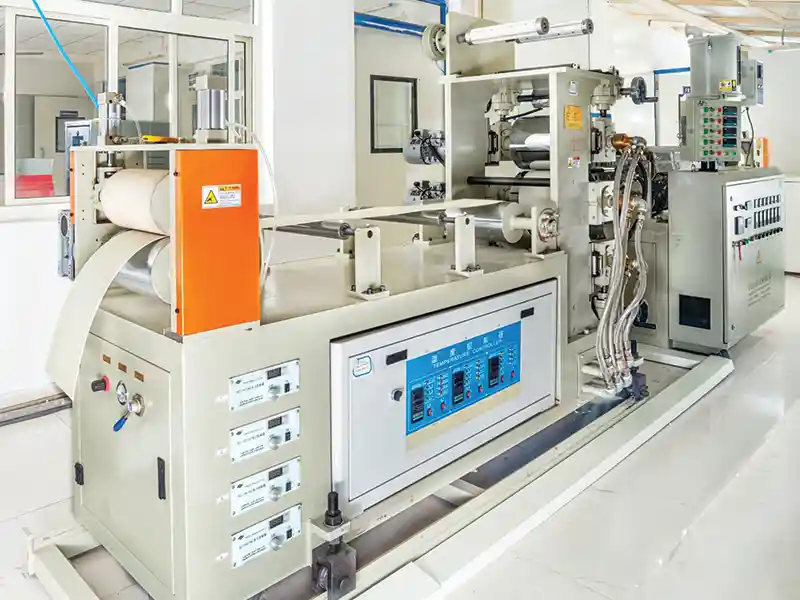
Fabricators sit at the most exposed point of the ACP value chain. When a façade fails, they are the first to be questioned, even though material performance is determined much earlier. The same uncertainty affects architects and builders, particularly in the context of repeated fire incidents. Testing and traceability are no longer brand-level differentiators; they are industry-level necessities. Fire testing facilities enable more informed, responsible material selection, reducing risk across the value chain and raising the baseline for safety.
For architects, consultants, and developers, the availability of transparent testing mechanisms strengthens material specification decisions, particularly for projects with heightened safety sensitivity or long service-life expectations.
Ashok Kumar Bhaiya


Collectively, these tests assess reaction-to-fire behaviour, bonding strength, colour stability, weather resistance, flatness, and structural reliability, factors that directly influence façade longevity and safety. By extending access to this testing ecosystem, the initiative seeks to normalise evidence-led material evaluation across brands and projects.
A recurring industry insight is that while price may influence procurement decisions, it does not determine long-term outcomes. Façade materials are not easily replaceable, and failures carry reputational, financial, and safety implications long after installation.
By foregrounding testing as a trust mechanism rather than a marketing tool, it reflects a broader shift within the façade ecosystem, towards accountability, documentation, and lifecycle performance. As buildings are increasingly expected to perform safely and consistently under public scrutiny, evidence-led material evaluation is likely to become central to the future of ACP adoption.