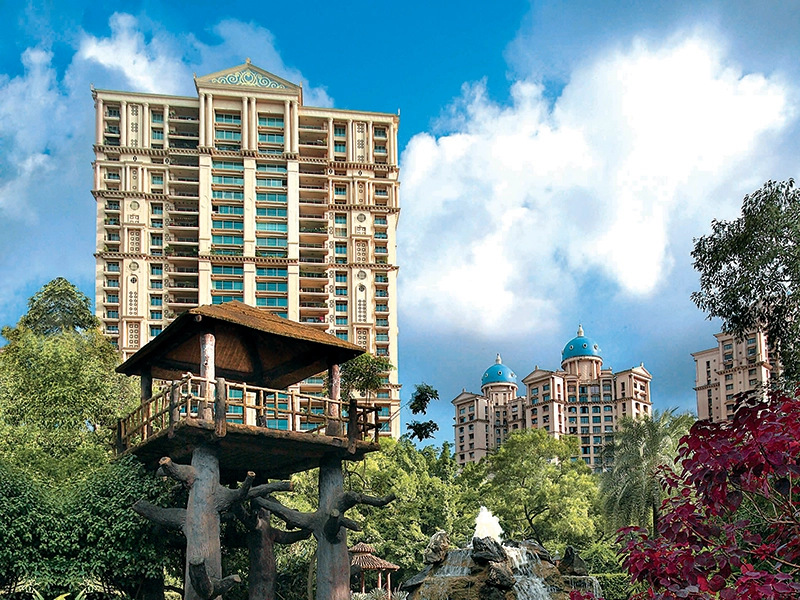
In this article, developers and architects, share solutions for mitigating the impact of the unprecedented climatic changes that we are currently experiencing --- from extreme heat to heavy unseasonal rainfalls, frequent fires, and even earthquakes --- on both new and old buildings, especially high-rises, in the country. Solutions also include developing globally inspired garden ecosystems, signalling a shift from amenity-led projects to lifescape-driven communities. According to them, the choices made in construction today will directly influence environmental outcomes in the years ahead. This is not only about adopting new materials but about rethinking long term impact at every stage of construction.