The real estate sector is building resilience in the design, structure, and even while executing projects, in view of the current climate volatility.
Dr. Niranjan Hiranandani
Chairman
Hiranandani Communities

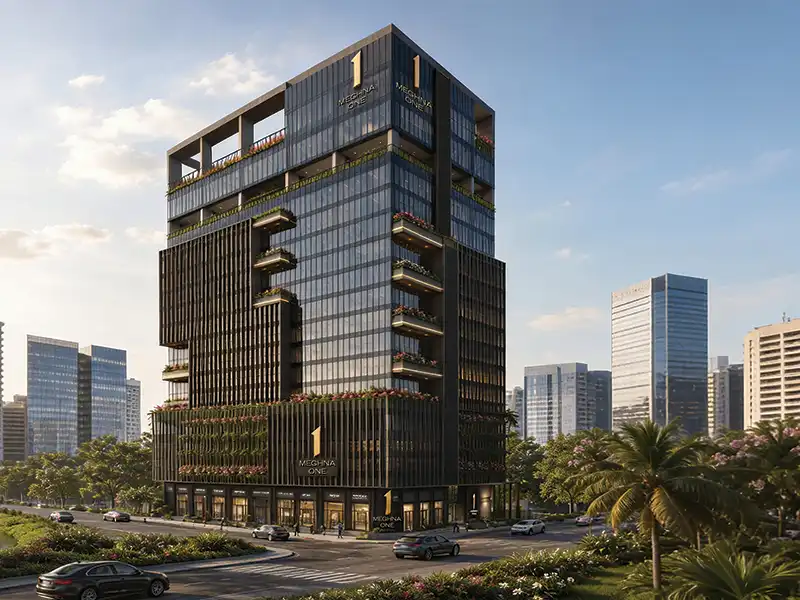
Climate-Responsive Design: The first and most critical intervention lies in climate-responsive design. Buildings must be conceived not merely for aesthetics or density, but for performance under stress. Orientation, shading, cross-ventilation, and façade design must be optimised to reduce heat gain and improve thermal comfort. The envelope of a high-performance building, through advanced glazing systems and insulated façades, can significantly reduce energy loads while enhancing occupant comfort.
Material Innovation: Traditional construction approaches are giving way to materials that offer higher durability, fire resistance, and thermal efficiency. The use of engineered concrete, corrosion-resistant steel, and fire-retardant materials can enhance structural longevity, especially in coastal and high-humidity environments. At the same time, sustainable materials with lower embodied carbon must be prioritised to align with long-term environmental goals.
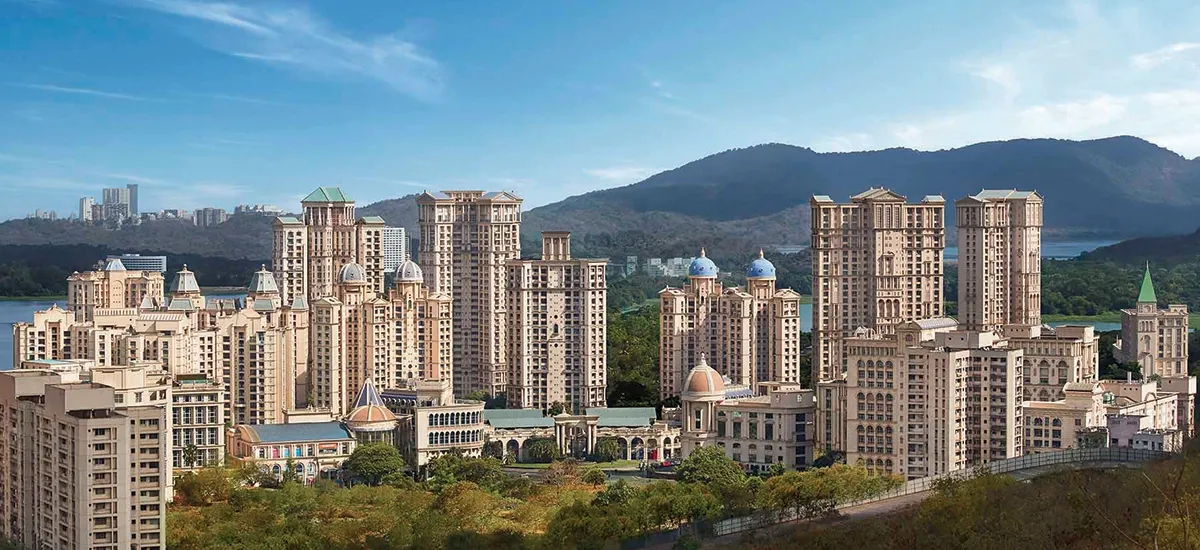
Structural Resilience: From a structural standpoint, resilience engineering is becoming central to high-rise construction. Buildings today must be designed to withstand seismic activity, wind loads, and extreme weather events. This requires not only adherence to evolving building codes but also the adoption of advanced structural systems and simulation technologies that anticipate stress scenarios before execution.
Water & Fire Safety: Another key area is waterproofing and drainage planning, particularly in the context of intense rainfall and flooding. Robust waterproofing systems, elevated plinth levels, and efficient stormwater management are essential to protect both the structure and its services. In parallel, fire safety systems must be upgraded to address rising fire risks in dense urban environments, with integrated detection, suppression, and evacuation mechanisms.
Smart Building Systems: Vertical mobility systems, elevators and service cores, must also evolve. Smart elevators with energy-efficient operations, emergency response integration, and redundancy planning are becoming essential in high-rise developments. Similarly, HVAC systems need to be designed for both efficiency and adaptability, ensuring optimal indoor air quality while managing increased thermal loads.
Renewable Integration: The integration of renewable energy solutions, such as solar panels and energy storage systems, is no longer a differentiator but a necessity. These systems not only reduce dependence on conventional power sources but also enhance resilience during grid disruptions. Coupled with smart building management systems, they enable real-time monitoring and optimisation of energy consumption.
Retrofitting Existing Assets: For existing buildings, the focus must shift towards retrofitting and upgradation. Structural audits, façade improvements, waterproofing enhancements, and the integration of energy-efficient systems can significantly extend the lifecycle of assets while improving safety and sustainability outcomes.
Collective Responsibility: Ultimately, the responsibility lies with all stakeholders, developers, policymakers, urban planners, and financial institutions to embed resilience into the DNA of urban development. Regulatory frameworks must evolve in tandem, encouraging adoption through incentives and stricter compliance standards.
India’s real estate sector has always demonstrated the ability to adapt and innovate. In the face of climate volatility, this adaptability must now translate into building cities that are not only modern and efficient, but also resilient, sustainable, and future-ready.