Developers are known embedding performance-driven solutions across the lifecycle of a building, from design to daily use.
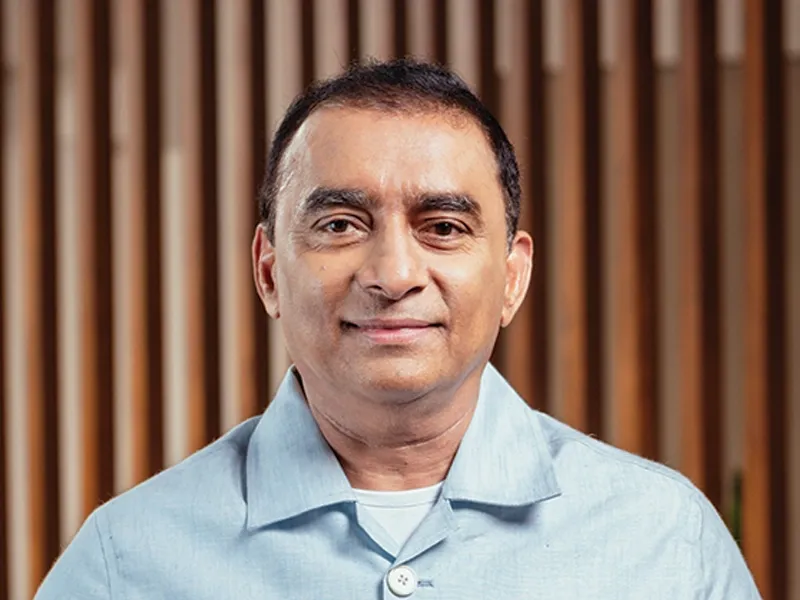
D. Kishore Reddy
CMD
Mana Projects
Designing for Heat and Airflow: In cities facing rising temperatures, building orientation and layout have become critical. Towers are being planned to reduce direct solar exposure while enabling cross-ventilation, lowering indoor heat build-up. Shaded façades, deeper balconies, and landscaped buffers are also being used to moderate microclimates within residential communities.
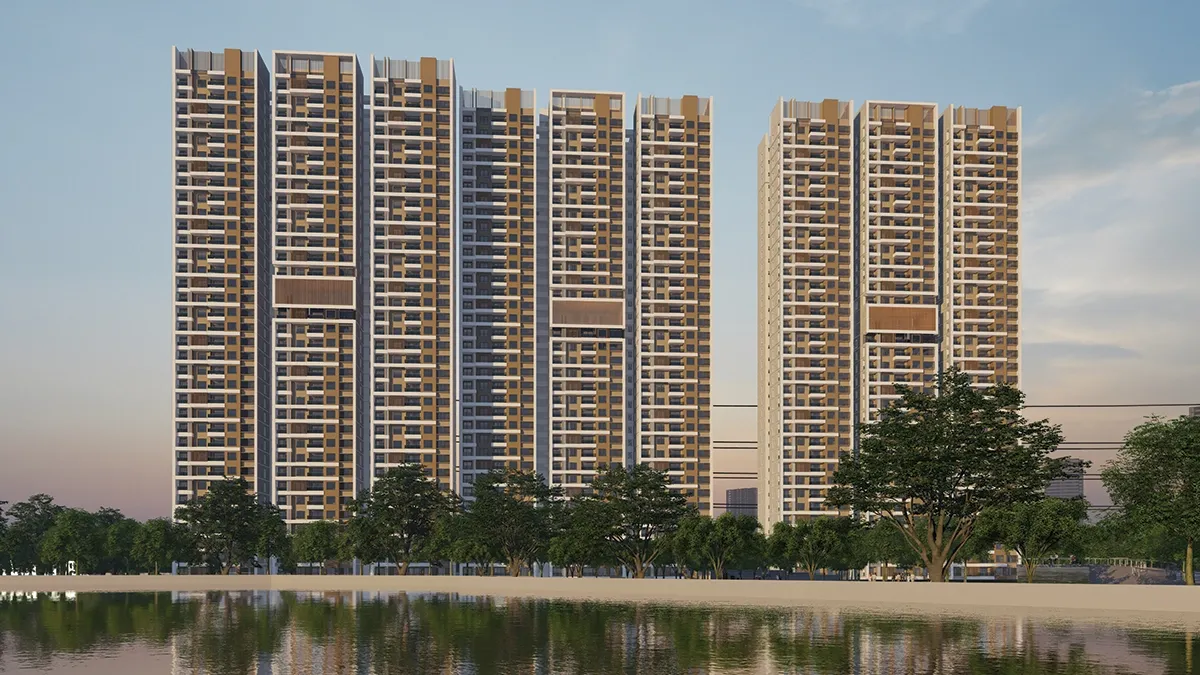
Materials That Endure Climate Stress: Frequent exposure to heat, moisture, and pollution is accelerating material fatigue in urban buildings. In response, developers are adopting high-performance concrete, corrosion-resistant reinforcements, and heat-reflective glass. These choices improve structural durability while reducing long-term maintenance in unpredictable conditions.
Stronger Structures for Uncertain Conditions: With increased instances of extreme weather and seismic sensitivity in certain zones, structural systems are being engineered for higher wind loads and stress tolerance. For existing developments, retrofitting solutions such as reinforcement strengthening and façade upgrades, are emerging as practical ways to enhance safety without full redevelopment.
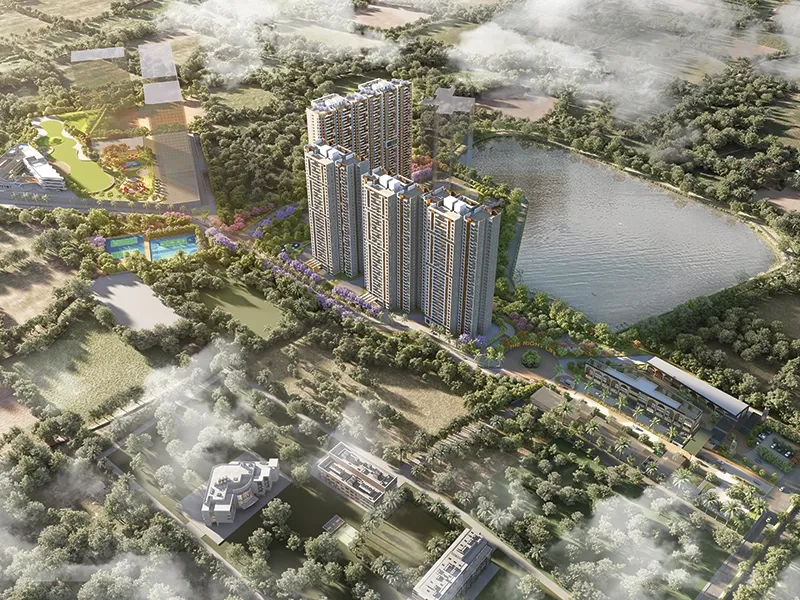
Planning for Flood and Water Management: Episodes of intense rainfall have highlighted the need for stronger water management systems. Elevated entry levels, multi-layered basement waterproofing, and high-capacity drainage networks are being integrated to reduce flood impact. At the same time, rainwater harvesting and recharge systems are helping address long-term water scarcity.
Systems That Sustain Operations: In vertical developments, uninterrupted functioning is critical. Elevators with backup power and water-resistant components, along with energy-efficient HVAC systems designed for high heat and humidity, ensure that essential services remain stable even during extreme conditions.
Reducing Dependence on External Grids: With increasing strain on urban power infrastructure, renewable energy is becoming a practical addition rather than a sustainability add-on. Solar installations for common areas are helping offset energy demand and provide partial resilience during peak load periods.
Building for Extremes: The conversation is no longer about whether to adapt, but how proactively these measures can be scaled and standardised across projects. What is emerging is a more integrated approach to development, where planning, engineering, and operations are aligned from the outset to address climate risks holistically. Rather than treating sustainability as an overlay, developers are embedding performance-driven solutions across the lifecycle of a building, from design to daily use.
This shift is gradually redefining value in residential real estate, with greater emphasis on long-term liveability, lower operating stress, and the ability of a home to remain dependable through changing environmental conditions.
As climate patterns become more unpredictable, high-rise developments that integrate durability, adaptability, and resource efficiency at every stage will not only perform better but also remain relevant in a market that is increasingly driven by resilience as a core expectation.