Earlier, the goal was to deliver a building that performed well on day one. Today, the expectation is that it continues to perform over decades.
Jay Kularia
Executive Director
ANJ Group

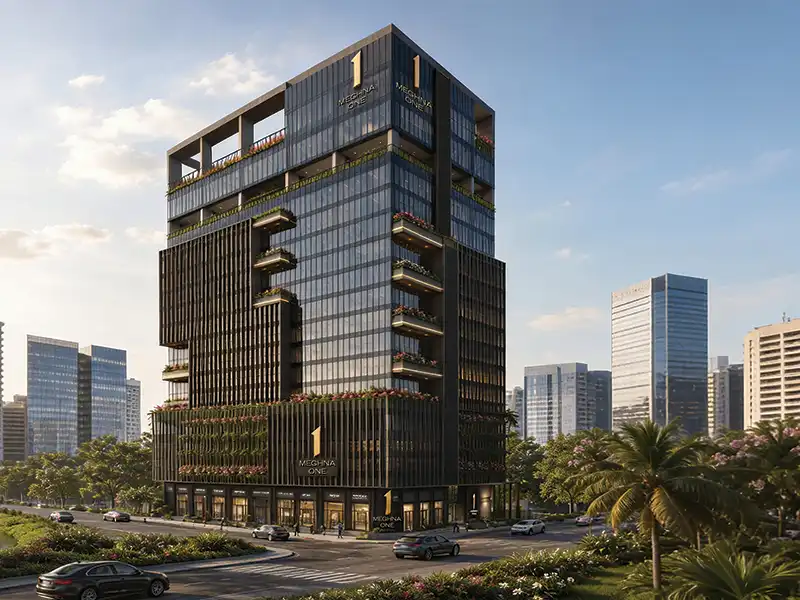
Buildings today can’t be static. They need to respond to changing conditions. In high-rises, this comes down to getting the basics right, i.e., better façades, smarter glass, good shading, and ventilation that keeps spaces comfortable without depending too much on air-conditioning. It’s about thinking ahead and designing for how conditions will change, not just what works today.
Sustainability is no longer just a talking point. Clients want to see what’s actually being done, i.e., where materials come from, how they’re sourced, and whether processes are responsible. For many global companies, this has become a key part of choosing partners.
Technology is also becoming part of everyday building operations, but in a quiet, practical way. Systems can now adjust lighting, track usage, and manage energy based on how spaces are being used. It makes buildings easier to run and keeps them efficient without constant manual intervention.
There’s also more attention now on improving existing buildings instead of tearing them down. Strengthening structures, upgrading façades and fixing waterproofing issues can add years to a building’s life. It’s often more practical and far less wasteful.
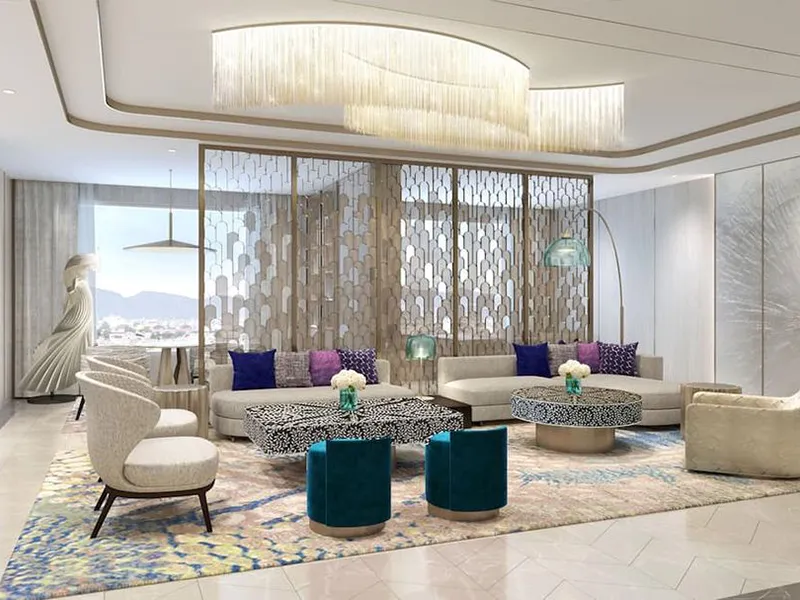
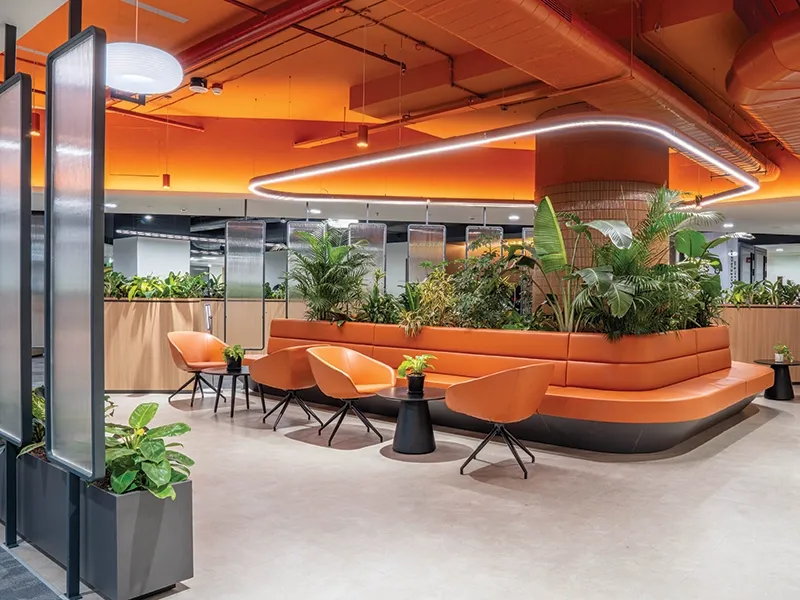
Workplaces, overall, are becoming less rigid. With modular layouts and flexible setups, spaces can be adjusted as teams grow or change. This avoids constant rework and helps the space stay useful for longer.
Energy is another key area. Solar integration, efficient HVAC systems, regenerative elevators, and demand-based ventilation are helping reduce long-term operating costs while keeping performance high. Buildings designed this way are better prepared for future regulations and tend to hold their value.