By embedding resilience into both design and operation, we can ensure safer, more sustainable built environments for the future.
Ajay Gupta
Principal Consultant Perceptive Ideas Consulting

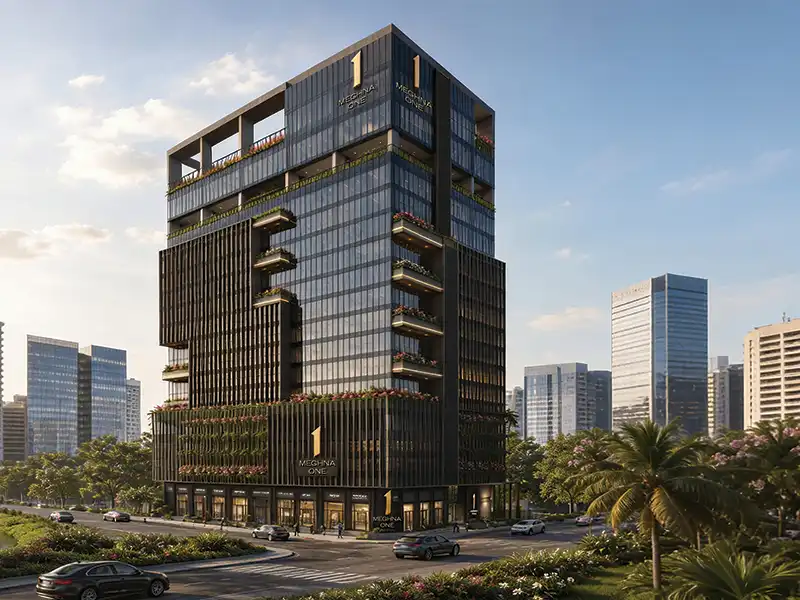
New Constructions: Here, the foundation lies in resilient and climate-responsive design. Structural systems must be designed not only for code-compliant loads but also for enhanced performance under extreme scenarios. This includes revisiting wind load assumptions, especially in light of changing storm patterns, and ensuring ductile detailing for seismic resistance as per Indian Standards. High-rise buildings should adopt robust lateral load-resisting systems such as shear walls, braced frames, or outrigger systems to improve stability and reduce drift.
Material Selection: This plays a critical role in durability and long-term performance. The use of high-performance concrete with low permeability, corrosion-resistant reinforcement (such as epoxy-coated or stainless steel rebars), and fire-resistant materials can significantly enhance the lifespan of structures. In regions prone to high temperatures, materials with better thermal resistance help reduce heat ingress, thereby improving energy efficiency and occupant comfort.
Façade and Glazing Systems: These require careful reconsideration. While glass façades are popular in modern high-rises, they must be designed with high-performance glazing systems that minimize heat gain and withstand high wind pressures. Double-glazed or low-emissivity (Low-E) glass can reduce cooling loads, while proper anchoring systems ensure safety during extreme wind events. Additionally, façade systems must be tested for water tightness to handle heavy and wind-driven rain.
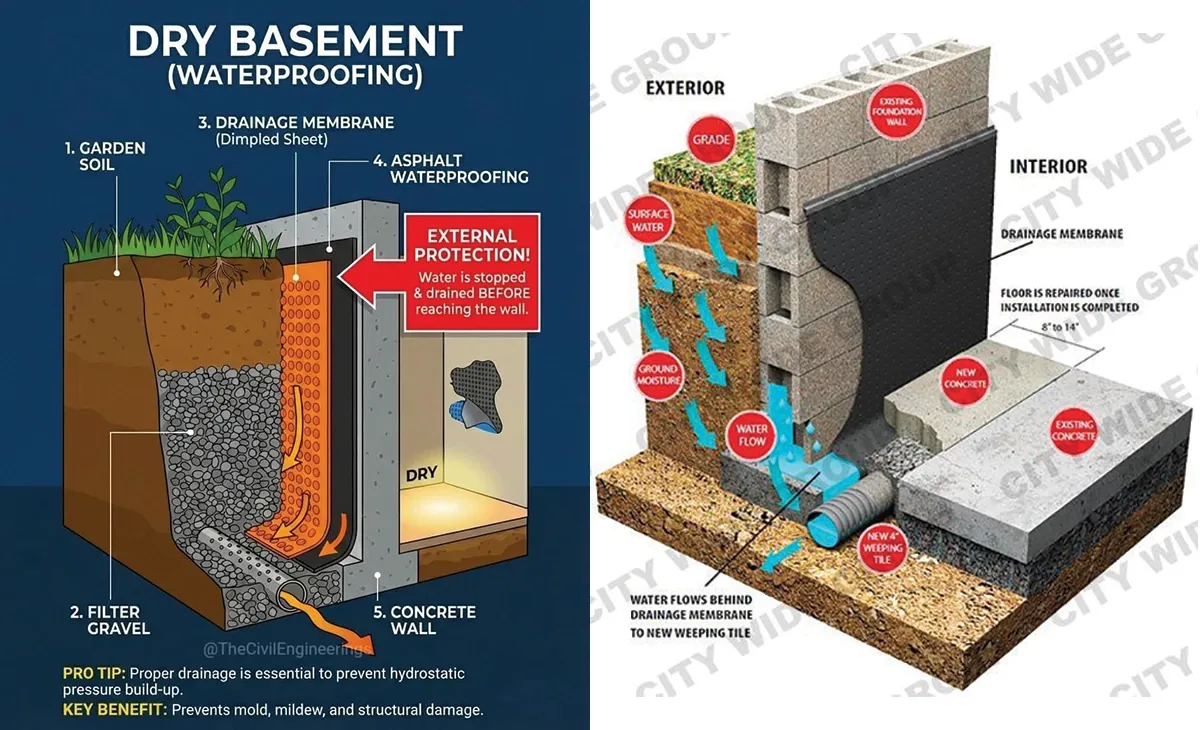
Waterproofing and Drainage Systems: These are often underestimated but are critical in the context of increasing rainfall intensity. Advanced waterproofing membranes, proper slope design, and efficient rainwater drainage systems help prevent water ingress, structural deterioration, and serviceability issues. Basement structures, in particular, must be designed to resist hydrostatic pressure and prevent seepage.
Fire Safety: This has gained renewed importance due to rising temperatures and urban density. The use of fire-rated construction materials, compartmentalization, pressurized escape routes, and advanced fire detection and suppression systems is essential. Structural elements must be designed to maintain integrity under fire exposure for a specified duration, allowing safe evacuation and firefighting operations.
Elevator Systems: In high-rises these must also be resilient. Modern elevator designs should include features such as seismic sensors, fire recall systems, and backup power to ensure safe operation during emergencies. Given the dependence on vertical transportation in tall buildings, redundancy and reliability are key.
HVAC Systems and Energy Efficiency: These are directly linked to climate resilience. Efficient HVAC systems designed for extreme temperature variations can significantly reduce energy consumption. Integrating renewable energy solutions, such as solar panels, not only reduces dependency on conventional power sources but also ensures partial energy availability during grid failures.
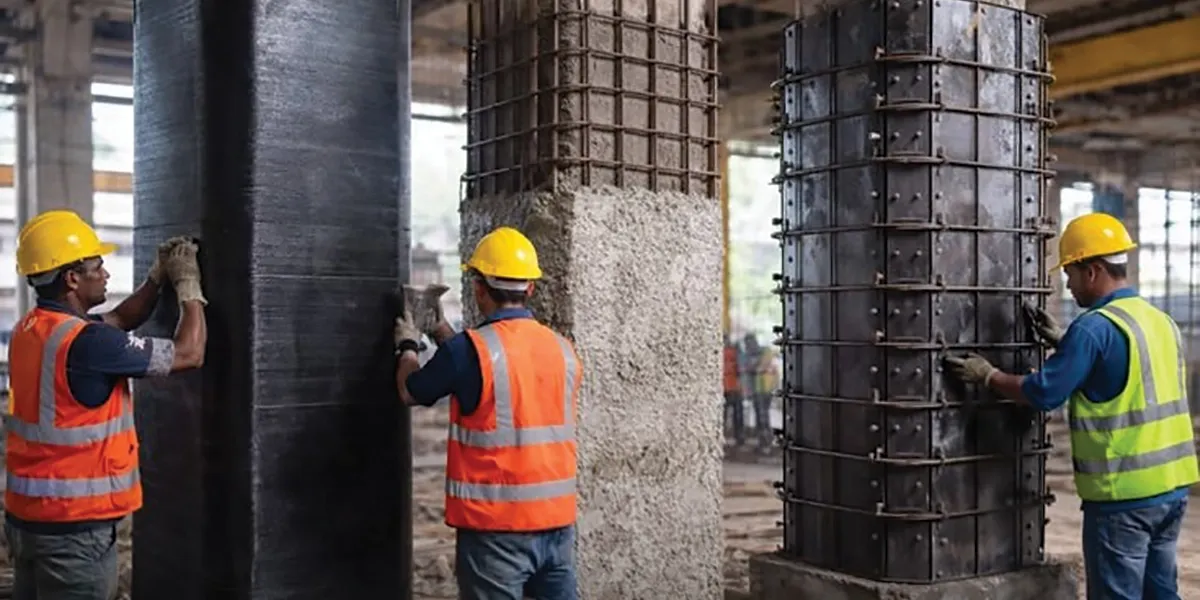
Existing Buildings: Especially in aging high-rises, structural audits and retrofitting are critical. Periodic condition assessments help identify vulnerabilities such as corrosion, cracks, or inadequate detailing. Strengthening techniques—such as jacketing of columns, addition of shear walls, use of fiber-reinforced polymers (FRP), or steel bracing—can significantly enhance load-carrying capacity and seismic performance.
In addition, upgrading façade systems, improving waterproofing, and retrofitting fire safety and MEP systems can bring older structures closer to current safety standards. Retrofitting is not just a technical necessity but also an economic and environmental imperative, as it extends the life of existing assets while reducing the need for new construction.
BIM: Finally, the adoption of digital tools like Building Information Modeling (BIM) and structural health monitoring systems can greatly improve design coordination, construction quality, and ongoing maintenance. Sensors embedded in structures can provide real-time data on performance, enabling proactive intervention before failures occur.
In conclusion, addressing the challenges posed by climate change requires an integrated approach that combines robust engineering, advanced materials, smart technologies, and proactive maintenance strategies.