To mitigate the impact of adverse climatic conditions on buildings, their resilience must be considered a fundamental design parameter.
Ravideep Singh
Associate Director Creative Designer Architects (CDA)

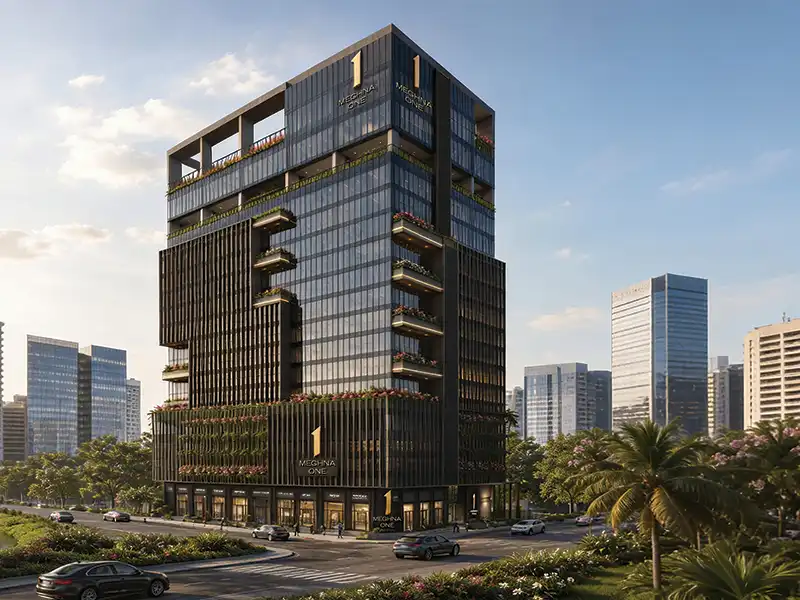
At the building design level, orientation and envelope performance are critical. High-rise structures must be designed to minimise heat gain through calibrated facade systems and high-performance glazing, while ensuring adequate daylight penetration. The depth of floor plates, placement of cores, and integration of terraces or buffer zones can significantly influence thermal comfort and energy demand.
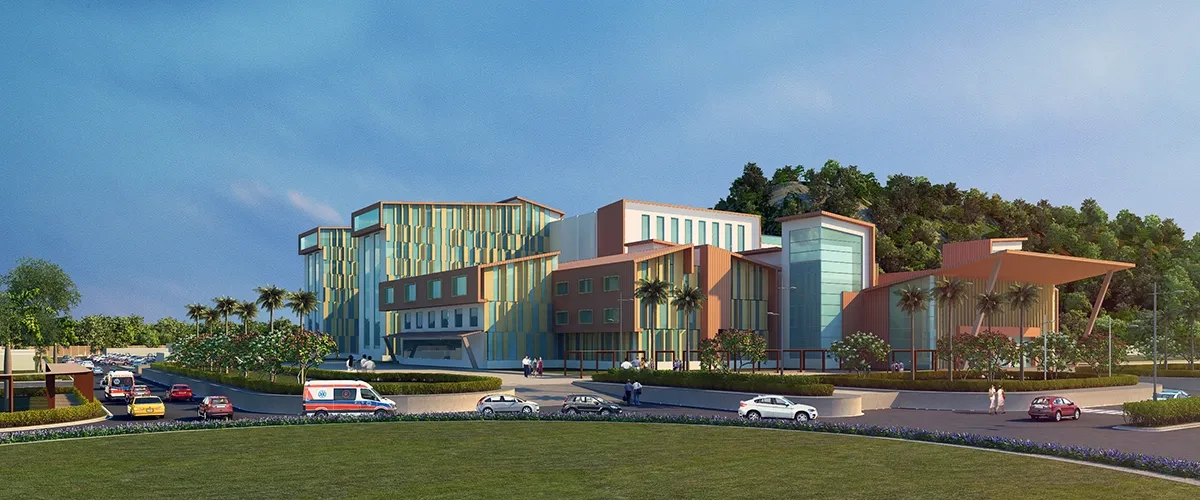
Material selection is equally critical. Durable, climate-responsive materials with low thermal conductivity and high resistance to moisture and fire can extend the lifecycle of buildings while reducing maintenance risks. In existing structures, retrofitting strategies such as facade upgrades can enhance resilience without requiring complete reconstruction. HVAC systems must be designed for higher efficiency and adaptability, capable of operating under fluctuating external conditions while maintaining indoor environmental quality. Similarly, elevator systems in high-rise buildings must be designed with redundancy and resilience in mind to ensure uninterrupted vertical mobility during emergencies.
Water management is another key concern. With increasing instances of heavy rainfall and flooding, robust drainage systems, rainwater harvesting, and site-level water retention strategies are essential. Effective waterproofing, particularly in basements and critical service areas, becomes crucial to prevent long-term damage.
At a broader level, integrating renewable energy systems, such as solar panels, can reduce dependence on conventional energy sources while enhancing operational resilience. Smart building systems that monitor energy use, environmental conditions, and system performance in real time further strengthen the building’s ability to respond to changing conditions.
Ultimately, mitigating climate impact requires a long-term perspective. Whether through adaptive reuse of existing structures or the planning of new developments, the focus must be on creating buildings that are not only efficient but also resilient, adaptable, and prepared for future uncertainties.