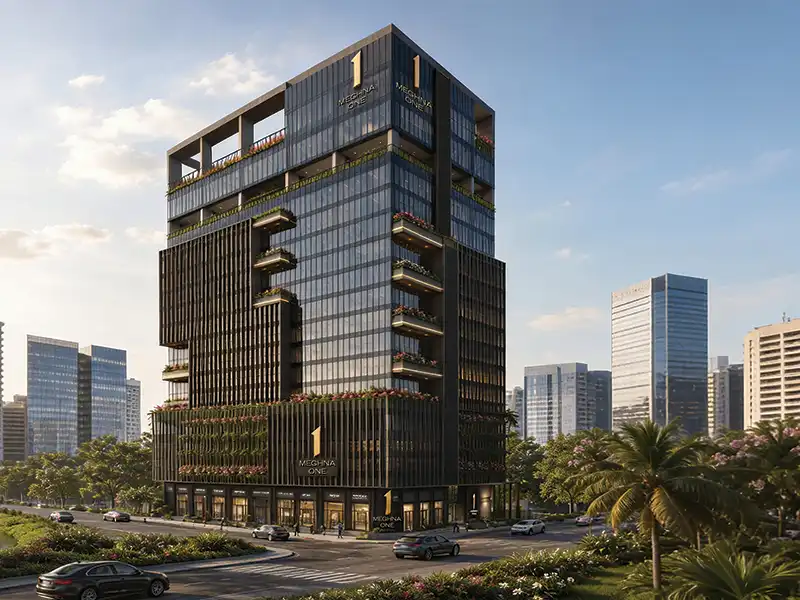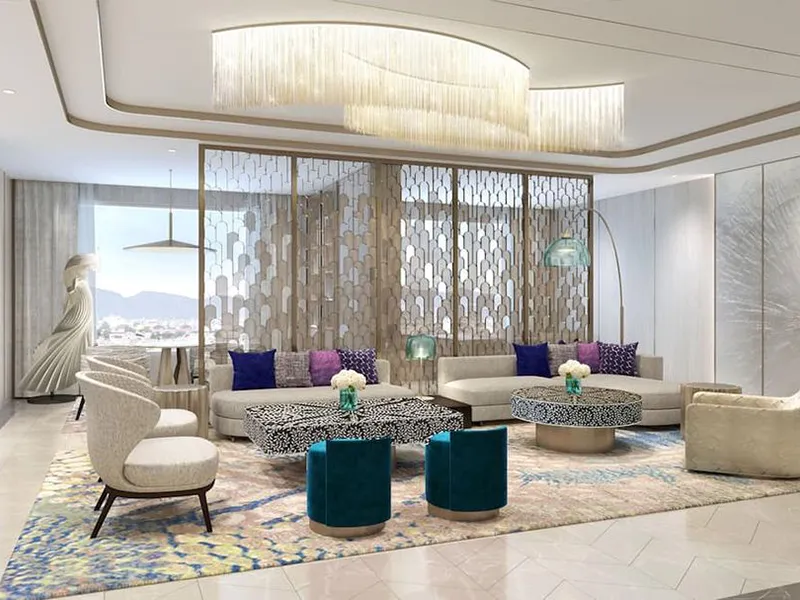
Resilience cannot be reduced to a catalogue of technologies; it must be embedded in the fundamental logic of design, how a building breathes, shades, drains, and endures.
Anil Bansal
Principal Architect
Vastunidhi

One of the more critical yet understated concerns is the growing dependence on sealed, mechanically conditioned environments. Many contemporary high-rises are conceived as closed systems, with minimal provision for natural ventilation. In the event of power outages, an increasingly plausible scenario during heatwaves or extreme weather, such buildings can become uninhabitable within hours. This is not simply a technical oversight, but a systemic vulnerability. Resilience, therefore, must extend beyond resistance to failure; it must ensure continued habitability under compromised conditions. Integrating operable façades, shaded openings, and transitional buffer spaces is no longer optional, it is fundamental.
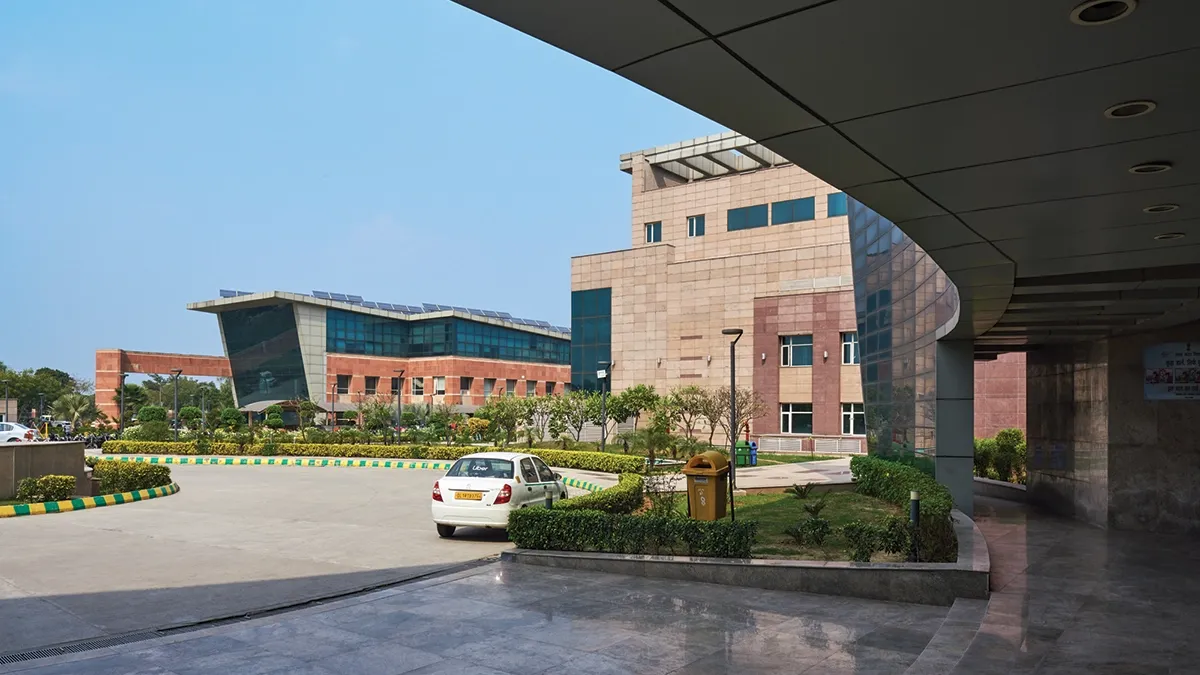
The continued reliance on fully glazed façades in tropical climates is another area that warrants closer scrutiny. The issue is not with glass as a material, but with its indiscriminate application. Too often, buildings are conceived as visual objects, where uniformity and image take precedence over environmental performance. In doing so, we are effectively designing envelopes that work against their climate. A more responsible approach would treat the façade as a responsive, layered system, one that is calibrated to orientation, solar exposure, and patterns of use.
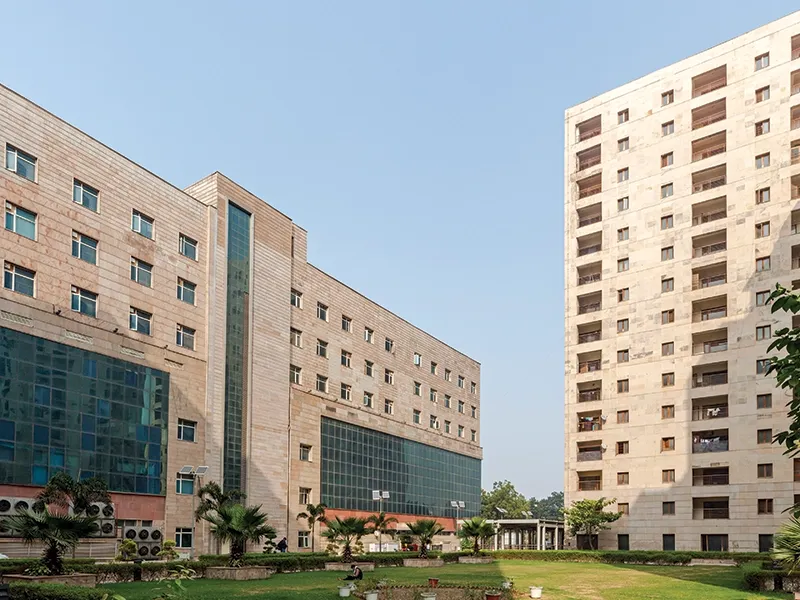
Equally important is the role of the urban microclimate. Buildings do not perform in isolation; they are shaped by the conditions around them. The proliferation of hardscaped surfaces, diminishing tree cover, and inadequate site drainage contribute to heat islands and localized flooding. Even the most advanced building will struggle within a poorly conceived site context. Design thinking must therefore extend beyond the plot boundary, integrating landscape, water management, and permeability as essential, not residual, elements of planning.
In high, rise developments, vertical mobility during emergencies remains an area that demands greater attention. Elevator systems are typically optimized for efficiency under normal conditions, but their limitations during crises, fires, power failures, or evacuations, are evident. Incorporating fire, safe lifts, refuge areas, and reliable backup systems should not be treated as enhancements, but as integral to the safety framework of vertical living.
Material selection, too, calls for recalibration. In the pursuit of innovation, there is often a tendency to privilege novelty over durability. Yet, resilience frequently lies in appropriateness rather than complexity, in materials that respond well to local climate conditions, that age predictably, and that can be repaired without disproportionate effort. Such choices may appear modest, but they tend to outperform more intricate systems over time.
Perhaps the most overlooked dimension is time. Buildings are frequently designed to meet immediate benchmarks, with limited consideration for how they will perform decades into the future under evolving climatic conditions. Elements such as expansion joints, service access, and system flexibility rarely command attention, yet they determine whether a building can adapt or gradually become obsolete.
The path forward lies not in increasing complexity, but in restoring alignment between built form and environment, enabling our buildings to remain functional, adaptable, and humane in the face of uncertainty.