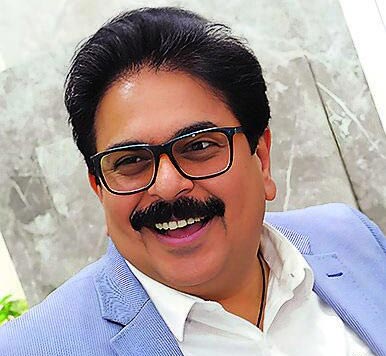
We are seeing a fundamental shift in how surfaces are approached in design. They are transitioning from a finishing material to become part of the thinking behind a space, says
Pankaj Sethi, COO, Kajaria Ceramics
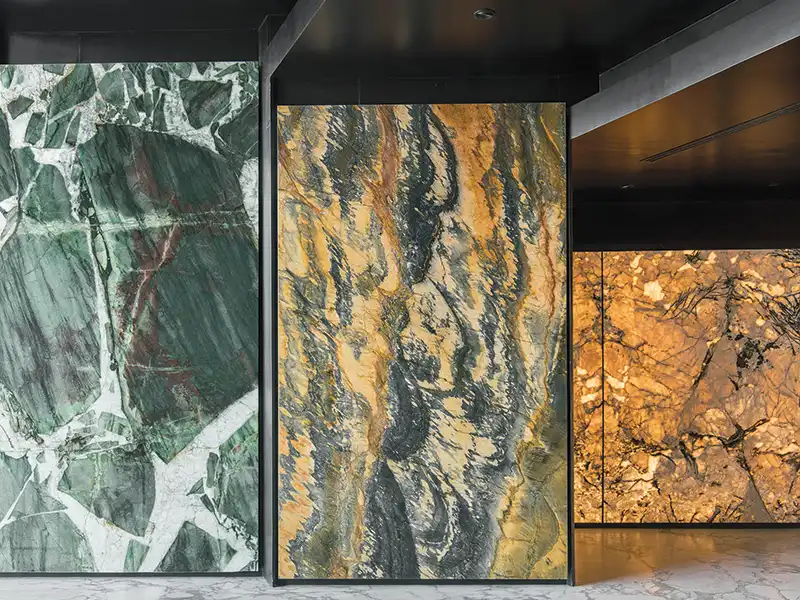
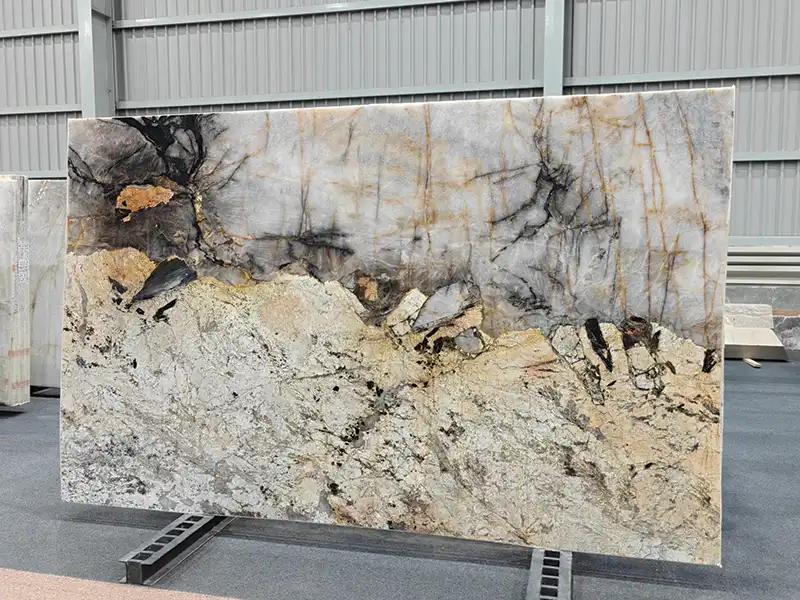
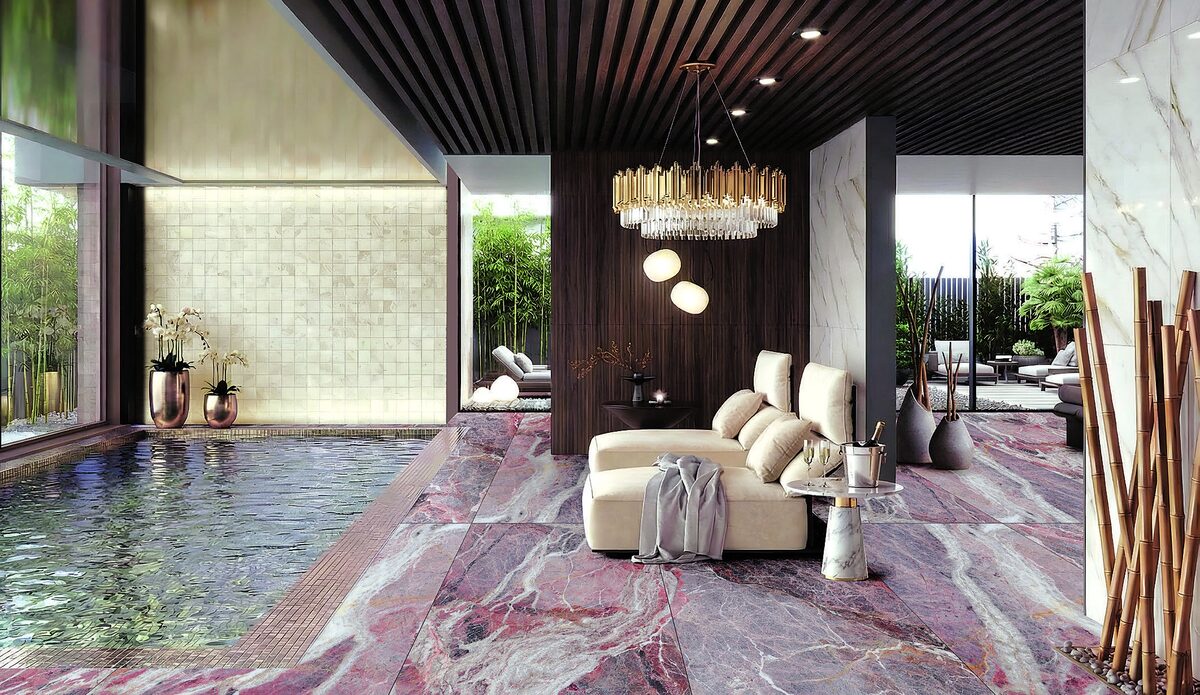
The question today is shifting from which tile we should use to what experience we want a space to create. Technology has played a significant role in enabling this shift. Advances such as Continua+ and Artificial Intelligence + Digital Glazing allow greater control over scale, texture, tonal variation, and surface depth. Large-format slabs, for instance, let designers think beyond individual tiles and work with fewer visual interruptions and stronger continuity across a space. This expands the possibilities of ceramic and vitrified surfaces while retaining the consistency and performance expected from a manufactured material.The capabilities of the material can influence the design itself, presenting interior designers to explore numerous permutations and combinations for developing unique design concepts.Pankaj Sethi, COO, Kajaria Ceramics
The more interesting change is what happens before a product is specified. Architects are increasingly looking at surfaces alongside structure, light, proportion, and material palettes, rather than treating them as a finishing decision. The capabilities of a material can influence the design itself, its scale, rhythm, transitions, and even how different elements of a space relate to one another.
This is where manufacturing becomes genuinely relevant to design. Technology is helping us make better products while expanding what we can imagine and specify. Our role, therefore, is to keep pushing the boundaries of what a surface can become, while giving architects and designers the freedom to use those possibilities from the very beginning of a project.