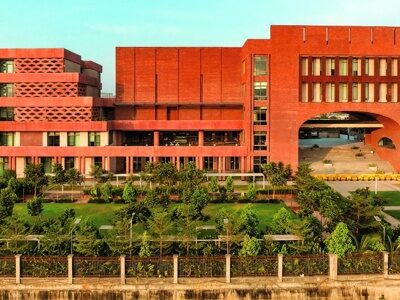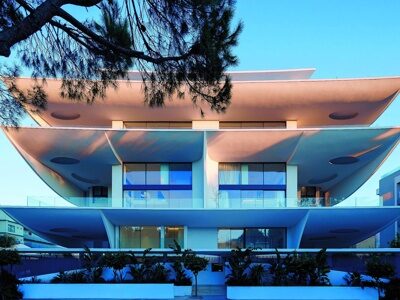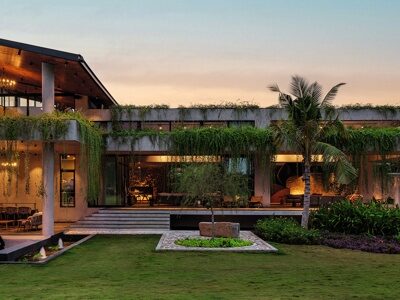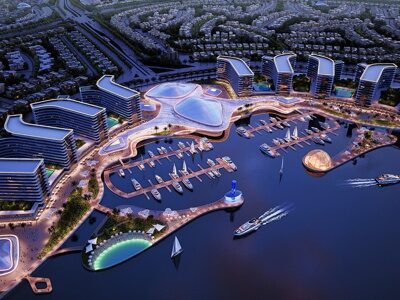
Materials are among the fundamental decisions that shape the character of a building. They determine how surfaces respond to sunlight, weather and everyday use, while also influencing the visual relationship between different spaces. In architecture, material selection is therefore closely connected to climate, function, construction and context.
Ar. Rajkumar Kumawat, Founder, Rajkumar Architects
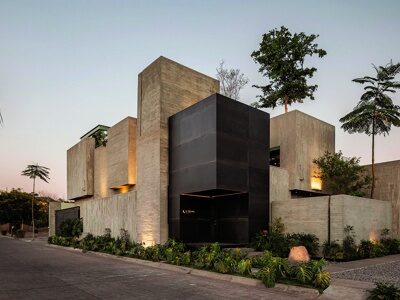
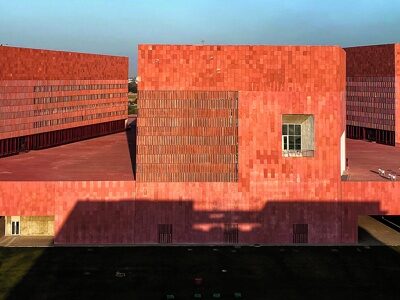
A material can perform several roles within a building. Natural stone, for example, can provide durability while also contributing texture and variation to a façade. Concrete can provide a structural base as well as a distinct visual character, while glass can bring natural light into interiors and establish a connection between indoor and outdoor spaces.Materiality is also shaped by the treatment given to a surface. A flat wall and a fluted wall can have very different visual effects because their interaction with light and shadow changes with the surface profile. Fluted and grooved surfaces introduce vertical rhythm, while decorative screens and artworks add further layers of detail without moving away from the overall palette. Using the same surface across multiple elements creates consistency and allows individual components to form part of a unified composition.
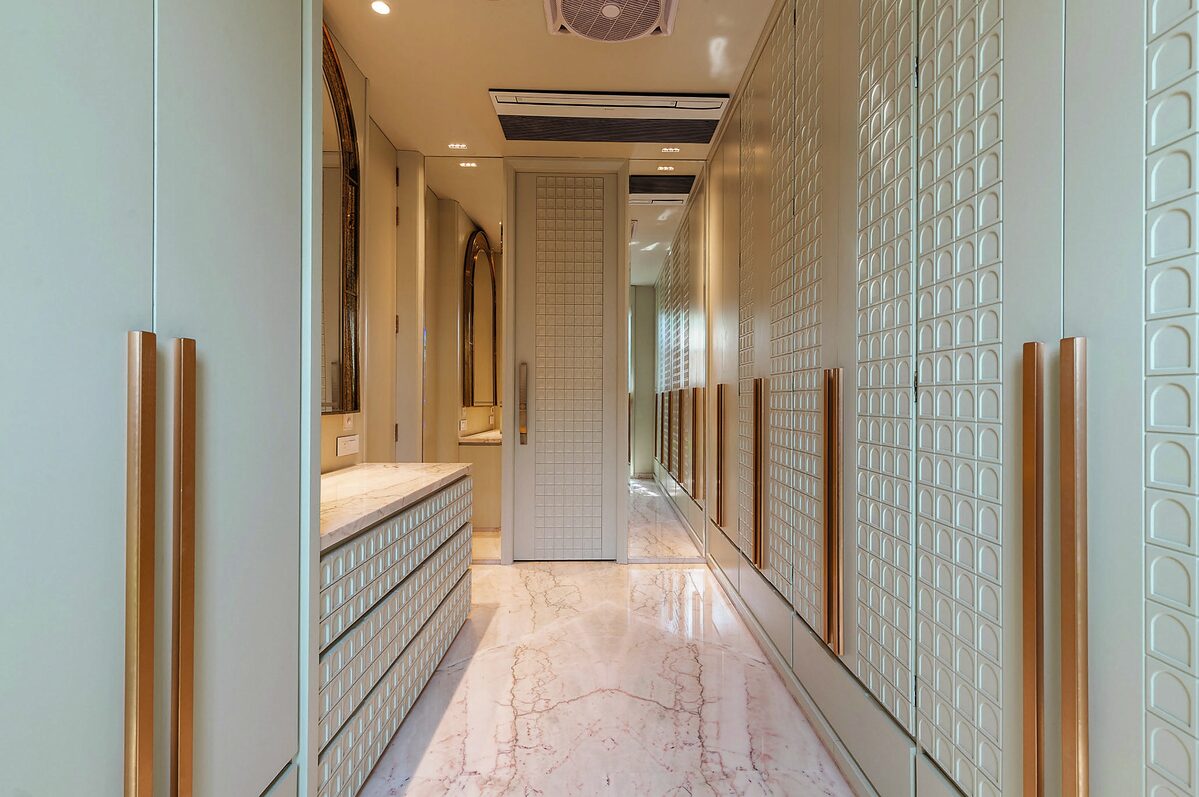
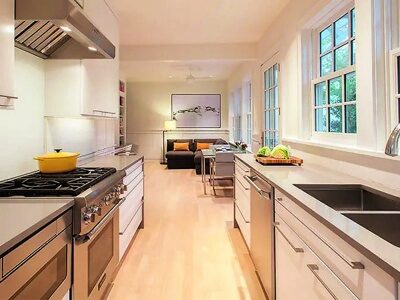
Interiors require a balance between materials with different physical qualities. Stone, glass and metal provide harder surfaces, while upholstery, curtains and rugs introduce softer materials. Large glazed openings bring natural light into the interiors and connect the living areas with the balcony. Our project, The Arch Essence, for instance, was developed around openness and natural light, while a restrained palette and varied surface treatments helped maintain continuity across the residence.
Materiality is part of the larger design process. Rather than treating finishes as elements added towards the end, the selection and treatment of materials can inform the architectural expression from the beginning.Ar. Rajkumar Kumawat

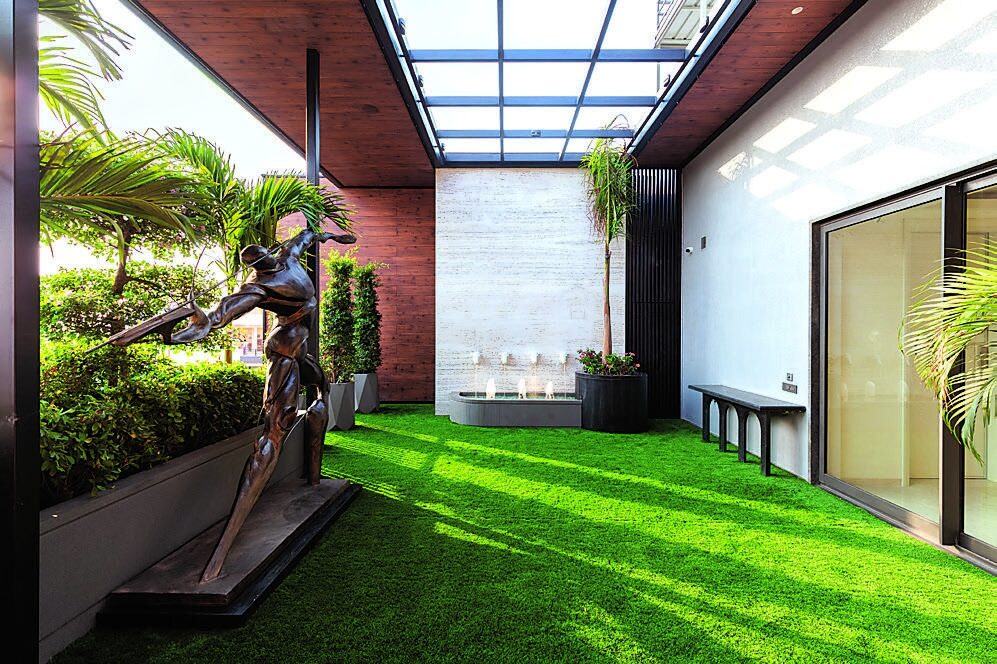
A combination of materials such as a warm timber or wood-finish ceiling, vertically detailed wall surface, metal railing, and large glazed doors create a transition between the interior and exterior. Adding woven outdoor furniture brings another tactile material to the space.
The choice of material is also influenced by place. Rajasthan, for example, has a long history of stone construction and craftsmanship, making stone an established part of its architectural vocabulary. Contemporary projects can build on this material knowledge without reproducing traditional architectural forms.
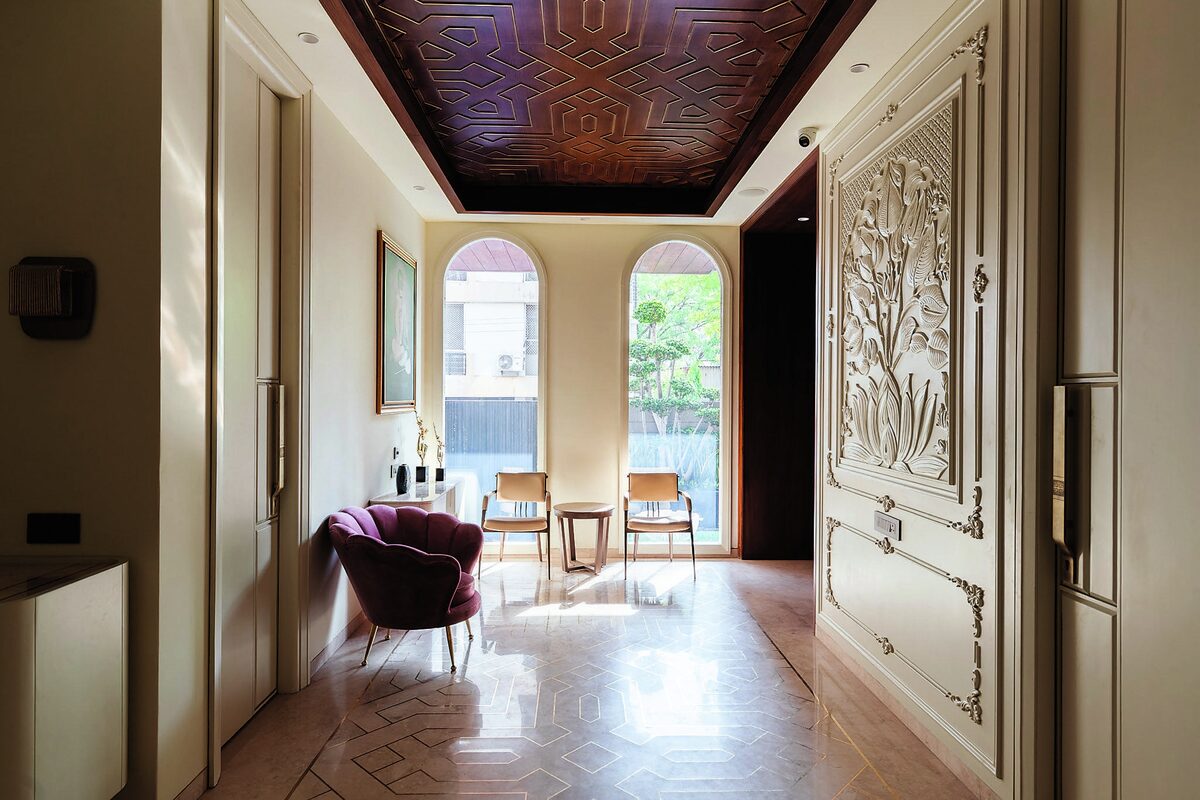
Material selection ultimately involves more than choosing a particular finish. It requires an understanding of where a material will be used, how it will perform, how it will be maintained, and how it will relate to the materials around it. When these considerations are addressed together, surfaces become an integral part of architectural design, connecting performance, construction and visual character within a single approach.