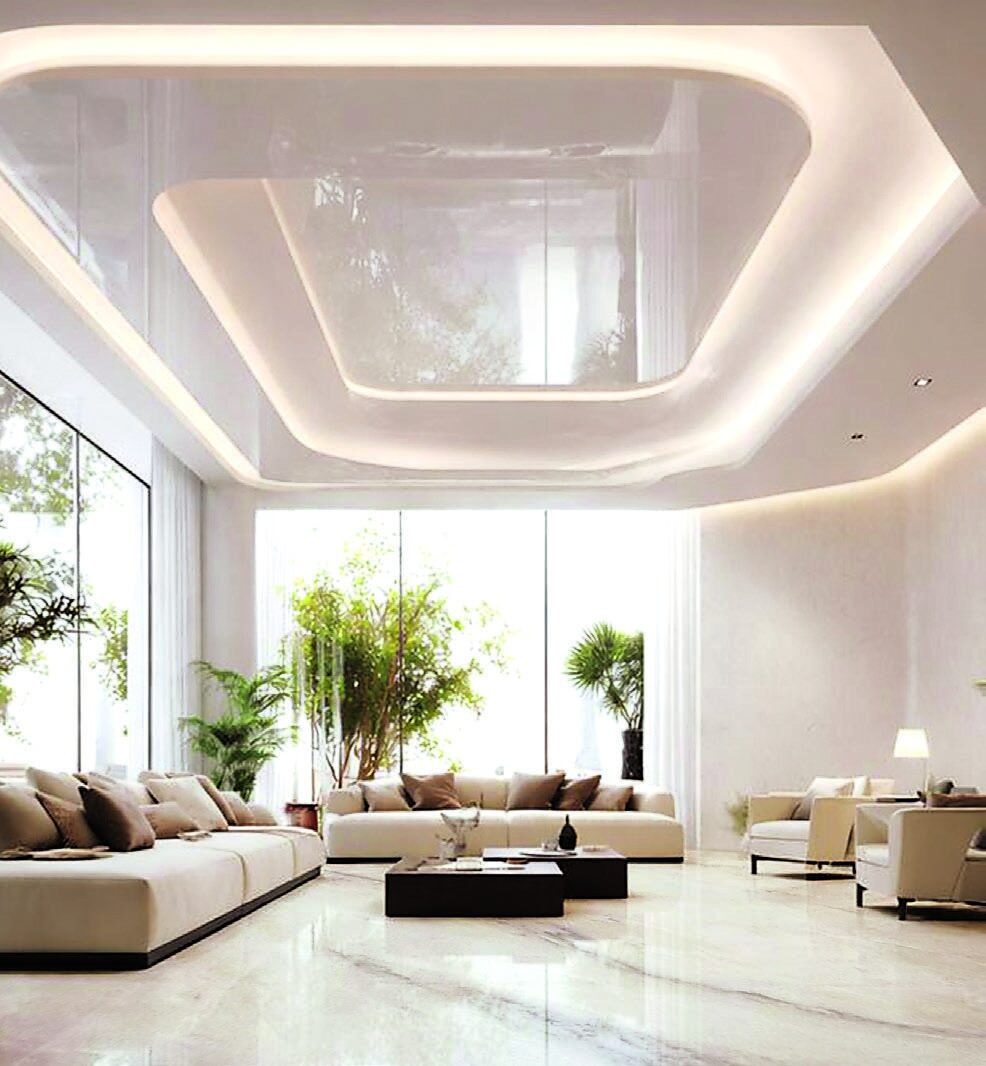
For decades, stone selection came late in the design process, once concepts were fixed and only finish and colour remained open to discussion. The sequence is now changing. As processing technology grows more sophisticated, manufacturers are being drawn into conversations with designers far earlier, often at the concept stage itself.
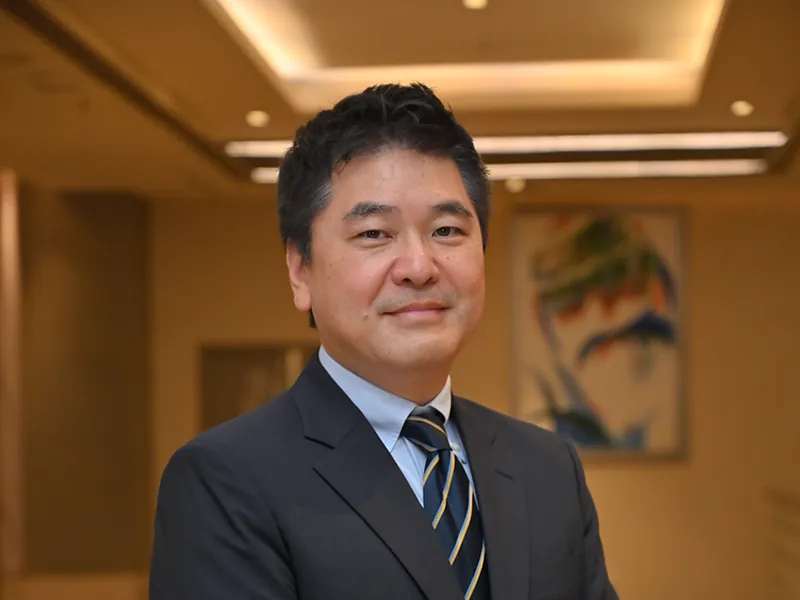
Rajesh Bhandari, Director, A-Class Marble
There is a growing need for greater precision, sustainability, and flexibility in how stone is processed. Technologies such as advanced diamond-wire cutting systems are helping meet these requirements, offering greater precision, smoother surfaces and considerably less material wastage than conventional gangsaw cutting. AI-enabled systems can further support the process by continuously monitoring and refining cutting parameters in real time.This isn’t simply about introducing new machinery. It is about technology that can respond to the material itself, adjusting cutting parameters and maintaining precision from one cut to the next. This level of intelligence is allowing manufacturers to offer architects and designers possibilities that were harder to achieve just a few years ago.
As the stone processing technology continues to evolve, the conversation between stone manufacturer and interior designer is likely to grow more meaningful.Rajesh Bhandari, Director, A-Class Marble

Finish is one clear example. Where the choice was once largely limited to matte or polished, stone can now be processed in flamed, honed, fluted and other textured finishes with far greater consistency. Thickness has opened up in a similar way, allowing manufacturers to customise stone according to a project’s specific requirements rather than working within fixed standards.
At A-Class Marble, technologies such as the Innovire wire saw reflect how the industry is responding to these changing requirements, bringing greater precision and adaptability to natural stone processing.
The larger shift, however, lies in the relationship between material innovation and architectural ambition. Rather than developing in sequence, the two are increasingly evolving alongside each other, with manufacturers taking on a more active role earlier in the design process.