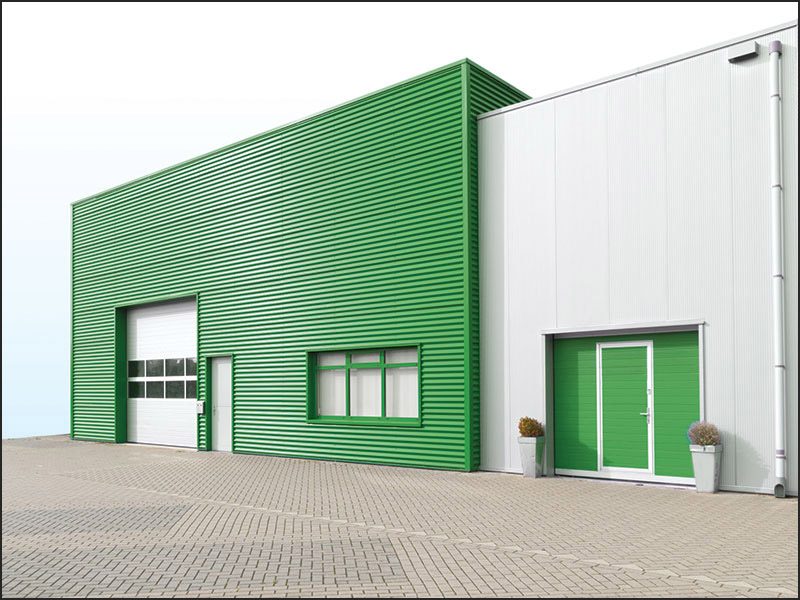
The growing acceptance of PEBs across factories, warehouses, logistics parks, airports, commercial buildings, and sports facilities, etc, reflects a broader change in how industrial infrastructure is being planned and delivered.
Vaibhav Goyal, CEO, Vishal Colour Roofs
India is entering a defining phase of industrial growth. Large investments in manufacturing, logistics, infrastructure and urban development are reshaping the country’s economic landscape, creating an urgent need for construction solutions that can keep pace. Speed, efficiency and sustainability are no longer desirable features—they have become business necessities.This shift has accelerated the adoption of Pre-Engineered Buildings (PEBs). Once associated primarily with industrial sheds, PEBs today are being used for factories, warehouses, logistics parks, airports, commercial buildings, sports facilities and institutional projects. Their growing acceptance reflects a broader change in how industrial infrastructure is being planned and delivered.
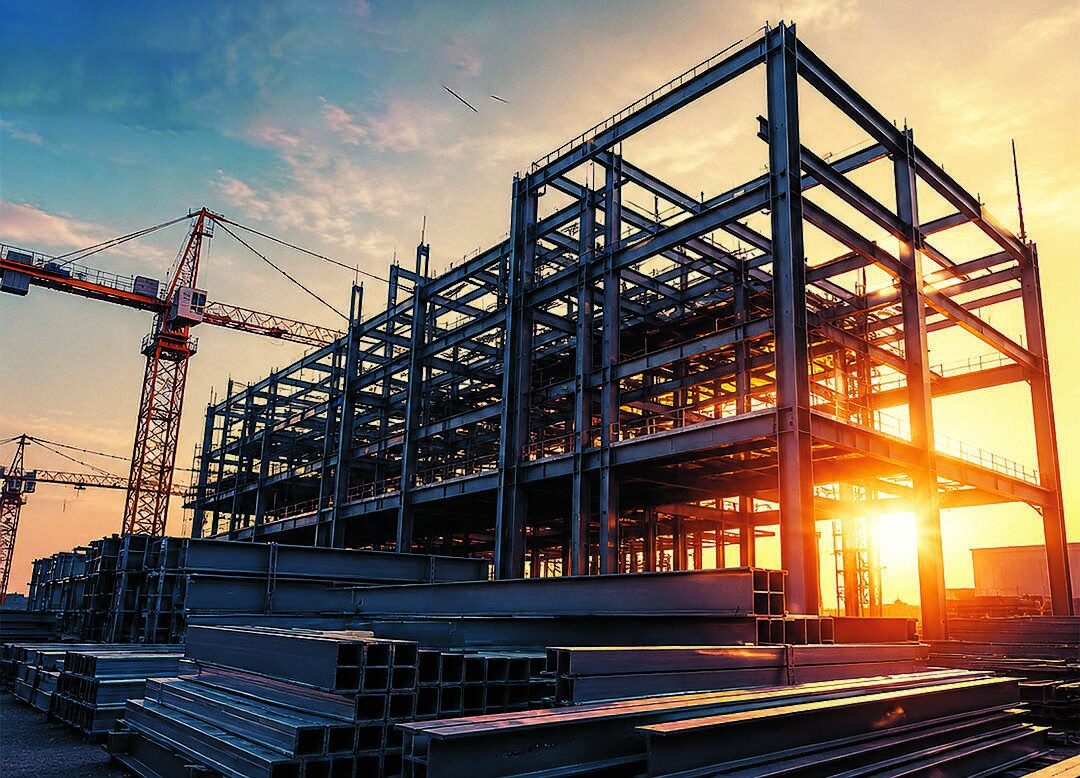
Traditional construction methods often struggle to match today’s project timelines and evolving operational requirements. Businesses are under constant pressure to commission facilities faster, optimise investment and remain flexible enough to expand as demand grows. Pre-Engineered Buildings address these challenges by combining precision engineering with efficient manufacturing and rapid on-site installation.
One of the most significant advantages of PEBs is the reduction in construction time. Since structural components are manufactured in controlled factory environments and assembled at the project site, construction schedules can be shortened by as much as 30 to 50 percent. Faster completion allows businesses to begin production or operations earlier, improving project viability and accelerating returns on investment. Engineered steel designs also optimise material usage, reducing waste while lowering labour requirements.
Quality is another defining strength. Factory-based manufacturing ensures greater consistency, tighter quality control and improved dimensional accuracy compared with conventional construction. It also minimises on-site uncertainties, making project execution more predictable and reducing the likelihood of costly delays.
Equally important is the flexibility that steel construction offers. Large clear-span structures create expansive, column-free spaces that are ideal for manufacturing plants, warehouses and logistics facilities. As businesses grow, these buildings can be expanded with minimal disruption by adding additional bays, allowing infrastructure to evolve alongside operational requirements rather than being replaced.
As India strengthens its position as a global manufacturing hub, the ability to build faster without compromising quality will become a defining competitive advantage.Vaibhav Goyal, CEO, Vishal Colour Roofs

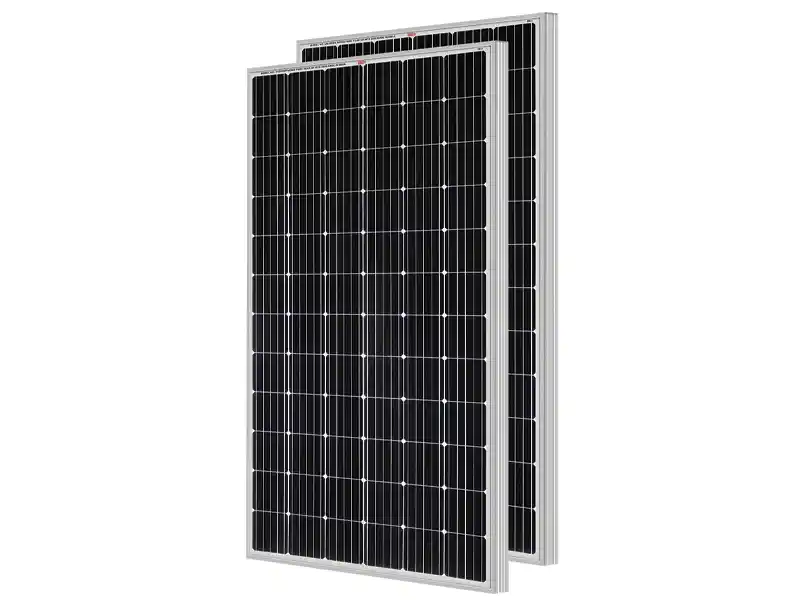
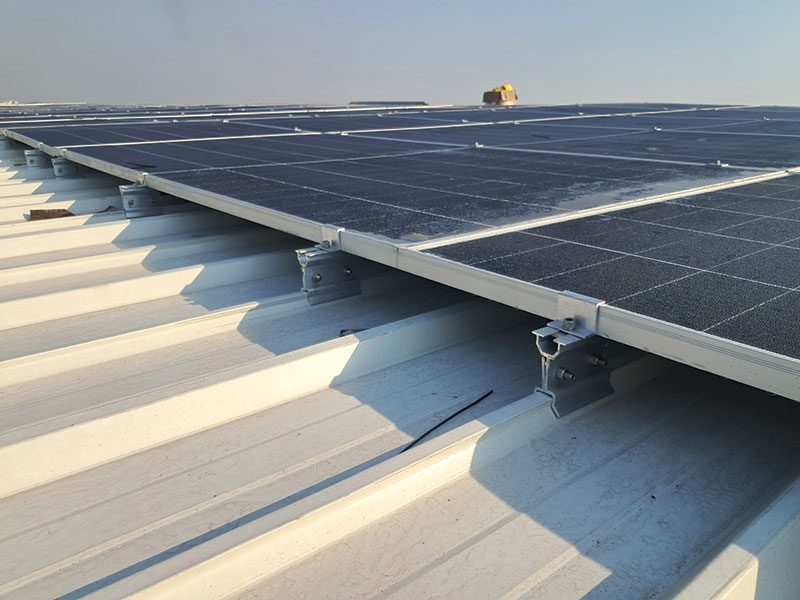
Sustainability has also become central to infrastructure development. Steel is one of the world’s most recyclable construction materials, and Pre-Engineered Buildings generate significantly less construction waste than conventional methods. Their compatibility with rooftop solar installations and energy-efficient building systems further strengthens their environmental credentials. For businesses pursuing long-term operational efficiency alongside sustainability goals, these advantages are becoming increasingly valuable.
The sectors driving this transition are among the fastest-growing segments of the Indian economy. Manufacturing, warehousing, logistics, pharmaceuticals, automotive, food processing, healthcare and education all require infrastructure that can be delivered quickly without compromising quality or performance. The rapid expansion of e-commerce, industrial corridors, logistics parks and manufacturing clusters is expected to sustain this demand for years to come.
Government initiatives such as Make in India have added further momentum by encouraging domestic manufacturing and infrastructure development. As global companies continue to diversify their supply chains and expand their presence in India, expectations around project delivery have changed. Businesses are no longer looking only for durable structures; they are seeking facilities that can be commissioned quickly, adapted easily and operated efficiently throughout their lifecycle.
This is where engineering-led manufacturing has become a decisive advantage. Advanced design software, precision fabrication, automation and digital manufacturing technologies have transformed the way industrial buildings are produced. Components manufactured under controlled conditions deliver greater accuracy, reduce rework at project sites and improve overall project efficiency. The result is infrastructure that combines structural reliability with predictable execution and lower lifecycle costs.