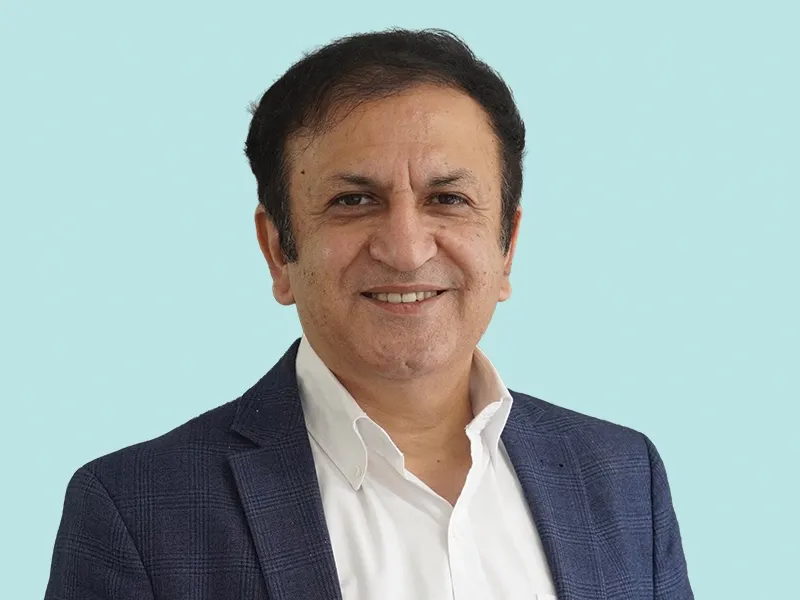
Akhilesh Satre, Director and Elevator Expert, Avinyatech Elevators, examines why elevator safety must move beyond reactive repairs towards preventive maintenance, timely modernization, and a stronger culture of safety as Indian cities continue to grow vertically.
Every monsoon, ageing elevators across India face an annual test as moisture, humidity and power fluctuations expose vulnerabilities in decades-old systems. But the concern goes beyond seasonal breakdowns: deferred inspections, ageing components and repeated temporary repairs can turn a maintenance issue into a serious safety risk.Elevator breakdowns spike across older housing societies in India during the rainy season. Residents enter lifts carrying dripping umbrellas, wearing wet footwear, and rain-soaked clothing. What happens to the old elevators during such conditions is that moisture seeps into ageing door mechanisms and electrical parts, and Lift pits, leading to corrosion and damage. In addition, the fluctuating power supply and humidity stress the functioning of decades-old equipment. What appears to be a one-off inconvenience is, in fact, symptomatic of ageing urban infrastructure that cannot meet the demands of the present.
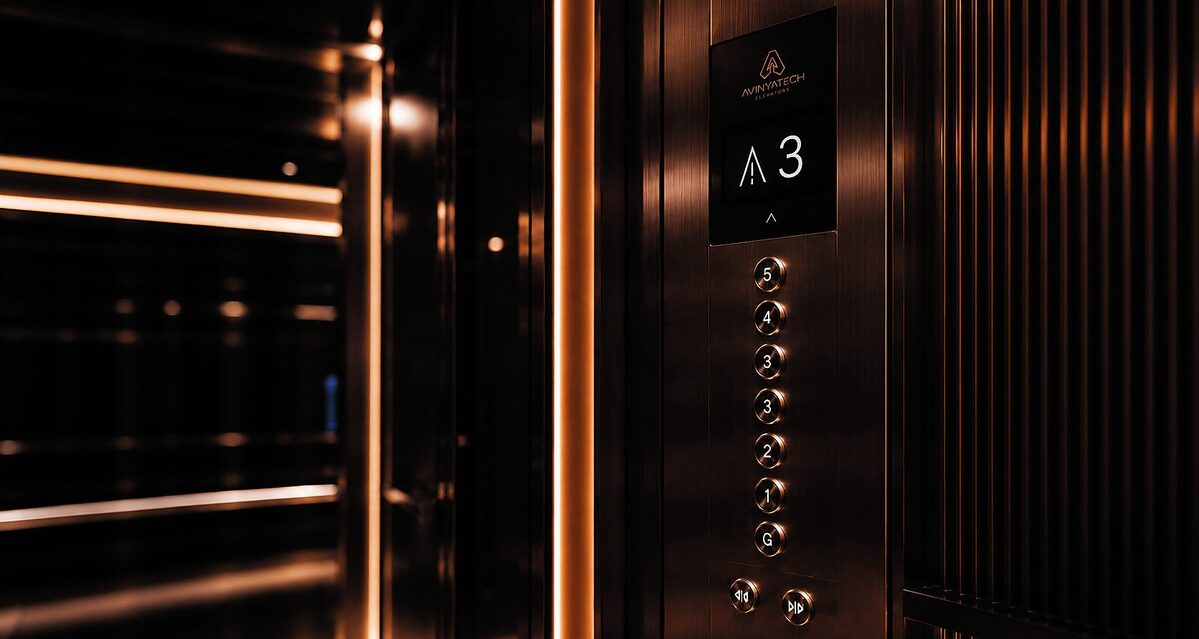
Challenges with Old Lifts
This is not only a monsoon problem. Many lifts that were installed 25 to 35 years ago are still in operation well past the useful life of their major components. Replacement appears expensive, and housing societies tend to react with a series of repairs. But every breakdown means another service call, another replacement part, and another temporary fix. The cost over time can be significantly higher than planned modernisation.An ageing elevator is not necessarily an unsafe elevator. It is an old and unmaintained one. The elevator is not at fault; it simply needs your attention at the right time.Akhilesh Satre

This is even more challenging when it comes to replacing old parts with new ones. Because, as time flies, the market is equipped with new models and technical upgrades. Manufacturers phase out older lift models, leaving maintenance providers with no choice but to use refurbished or non-standard parts. These may recover operation temporarily but may not always provide the reliability or safety expected from modern systems.
What Needs to be Done
It’s not about lift failure, but being an electrical machine, the components do have a time limit. India is not lacking in regulations. Most of the states have their own Lift Acts governing lifts, which have registration, statutory approvals before operation, periodic inspection, licensing and compliance with Bureau of Indian Standards (BIS) norms and explicit maintenance responsibilities of building owners.However, the real issue is implementation. In many buildings, mandatory inspections are deferred, annual maintenance contracts are given primarily on the lowest bid rather than on technical capability, modernisation projects are deferred year after year, and safety audits often turn into paperwork exercises rather than rigorous engineering assessments. Paper checks exist, but prevention is often delayed until after a major failure has occurred. Such a response is not affordable for urban India.
The Truth Behind the Unsafe Elevator
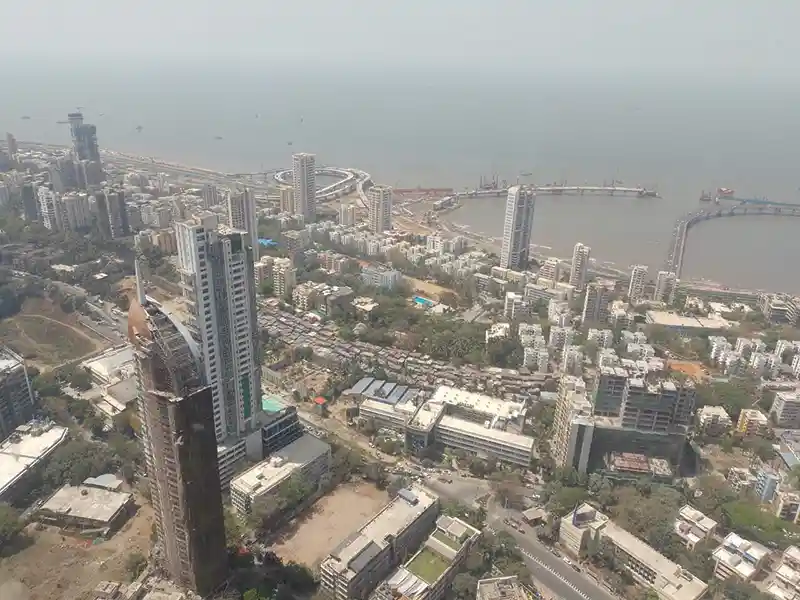
With cities growing vertically, people are dreaming of living on the 100th or even higher floors. Tier 2 and 3 cities are transforming into metro cities with high-rise buildings increasing in number. As India’s urbanisation continues to grow, conversations around building safety and vertical mobility should go beyond structural audits and fire systems. Old elevator systems should be replaced with modern systems that adher to IS 17900 safety standards.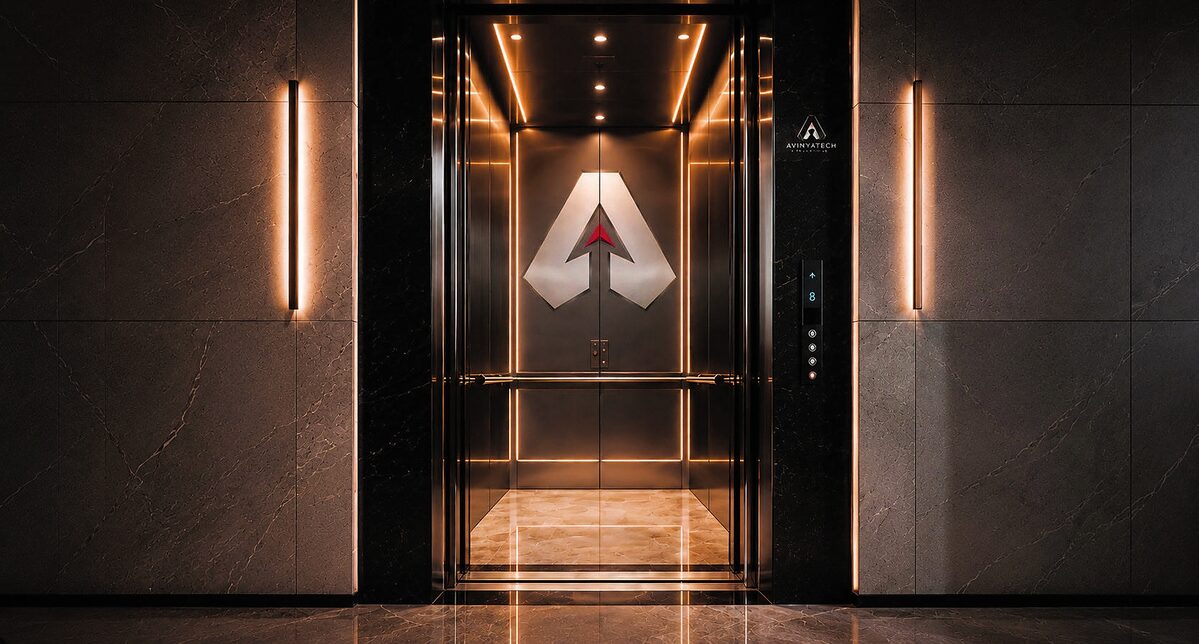
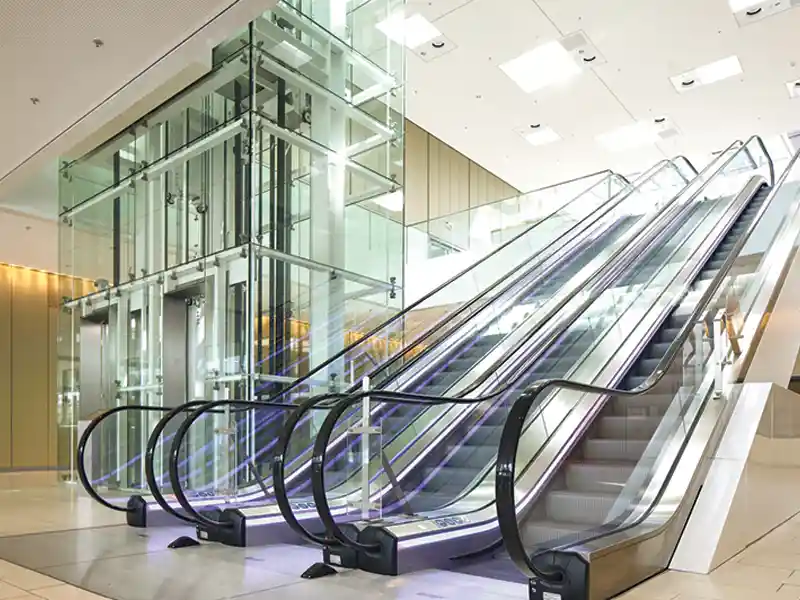
Modern lift systems have intelligent diagnostics, better braking technology, improved door safety mechanisms, and energy-efficient drives, and remote monitoring capabilities that greatly reduce chances of unexpected failures. They also cut down on major maintenance and repair costs in the early years of operation, making modernisation a financially sensible decision, rather than just a capital expenditure.
Every deferred inspection, every ignored maintenance warning, and every postponed modernisation makes avoidable failures more likely. As India stands vertically stronger, building safety should shift from being a compliance exercise to a culture of prevention. Because the real cost of an ageing lift isn’t the next repair bill. It is measured by the risk we are prepared to live with until the next breakdown demands our attention.