
Manufacturers are offering a wider palette of colours, textures, patterns, and customizable formats, allowing acoustic treatments to become a design feature.
Viren Jain, Head of Business Management, Sanson Floorings LLP
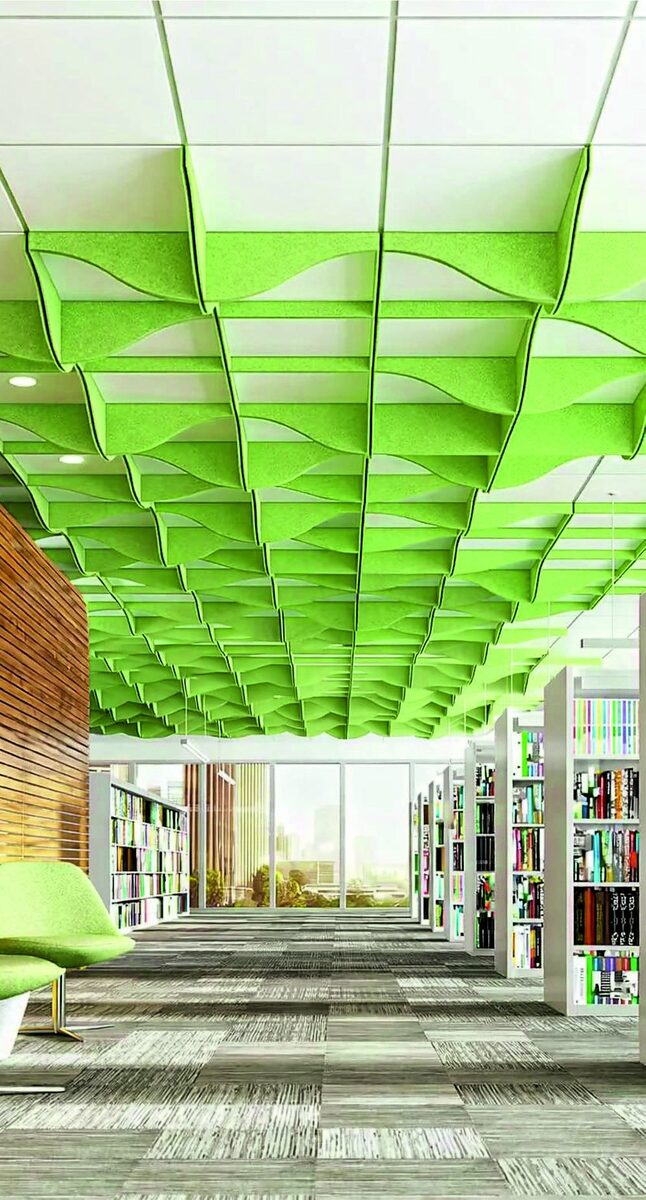
As expectations around occupant comfort, sustainability, and architectural aesthetics continue to grow, advancements in materials, manufacturing technology, and environmental responsibility are reshaping the acoustic panel industry.
One of the most significant developments has been the adoption of polyester fibre acoustic panels manufactured from recycled PET materials. These panels offer excellent sound absorption while providing a sustainable alternative to traditional acoustic solutions. By converting post-consumer plastic waste into high-performance acoustic products, manufacturers are reducing landfill dependency and supporting circular economy initiatives.
The growing emphasis on environmental accountability has also increased demand for products backed by Environmental Product Declarations (EPDs), GreenPro certifications, and other third-party sustainability credentials, enabling architects and developers to make more informed material selections.
Technology has also transformed the way acoustic solutions are designed and manufactured. Advanced production systems now enable greater consistency in density, dimensional stability, and acoustic performance. Modern manufacturing processes allow panels to achieve high Noise Reduction Coefficient (NRC) values while maintaining durability and visual appeal. Precision CNC cutting technology has further expanded design possibilities, allowing architects to integrate baffles, ceiling clouds, grooved panels, custom wall features, and three-dimensional acoustic elements without compromising performance.
The industry for acoustic panels is moving beyond simple noise control toward smarter, more sustainable, and aesthetically integrated acoustic systems that contribute meaningfully to the overall quality of built environments.Viren Jain

Another major shift is the increasing integration of acoustics with interior design. Contemporary acoustic panels are no longer viewed as purely functional products. Designers now expect acoustic solutions to contribute to the overall aesthetic of a space. As a result, manufacturers are offering a wider palette of colours, textures, patterns, and customizable formats that enable seamless integration into modern architectural concepts. This flexibility allows acoustic treatments to become a design feature rather than an afterthought.
Performance validation has become equally important. Today’s high-performance interiors require measurable and verifiable acoustic outcomes. Independent testing standards and laboratory certifications help ensure that products deliver reliable sound absorption and noise control. This emphasis on testing has encouraged manufacturers to invest in research, product development, and continuous quality improvement, ultimately benefiting end users with more predictable acoustic performance.
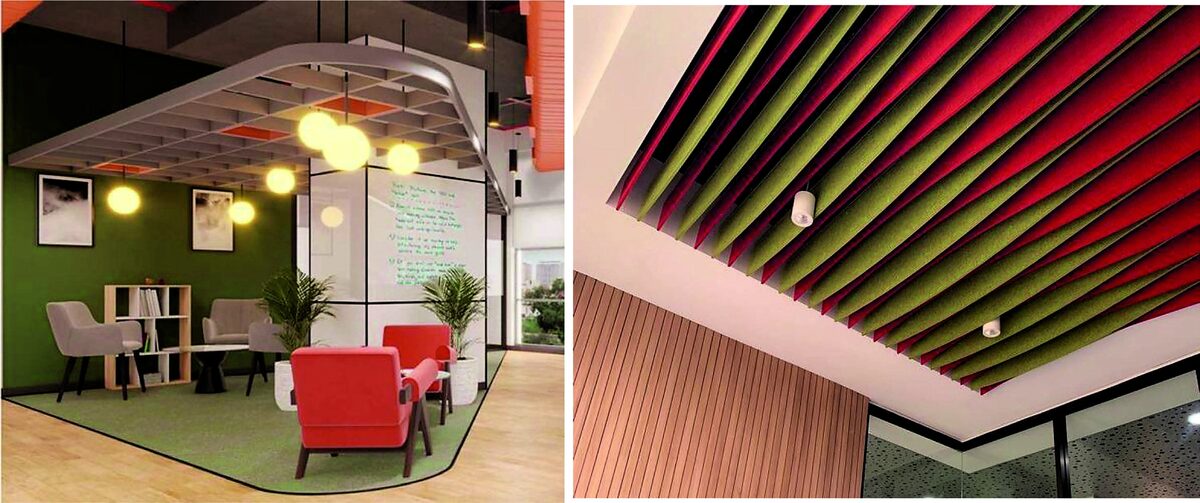
Sustainability practices are also extending beyond the product itself. Energy-efficient manufacturing processes, waste reduction initiatives, responsible sourcing of raw materials, and improved logistics planning are becoming key priorities across the industry. Manufacturers are increasingly focusing on reducing environmental impact throughout the entire product lifecycle while maintaining high standards of quality and performance.
Looking ahead, the future of acoustic panels lies at the intersection of sustainability, technology, and design innovation. As workplaces and commercial environments place greater importance on occupant well-being, productivity, and environmental responsibility, acoustic solutions will continue to play a critical role in creating high-performance interiors.