The company’s goal is to make elevators and escalators not just functional, but intuitive, efficient, and dependable systems that anticipate needs, minimise downtime, and seamlessly integrate into the smart infrastructure of tomorrow, informs Ravikrishnan S, CEO, TK Elevator India.
From premium high-rise residences to dense mixed-use developments, how is TK Elevator addressing the demand for advanced vertical mobility as a critical element of urban planning and human movement?
The role of vertical mobility is advancing from a functional building service to a critical element of urban infrastructure. Today, elevators and escalators must seamlessly support diverse usage patterns, high densities and elevated expectations around comfort, efficiency and reliability.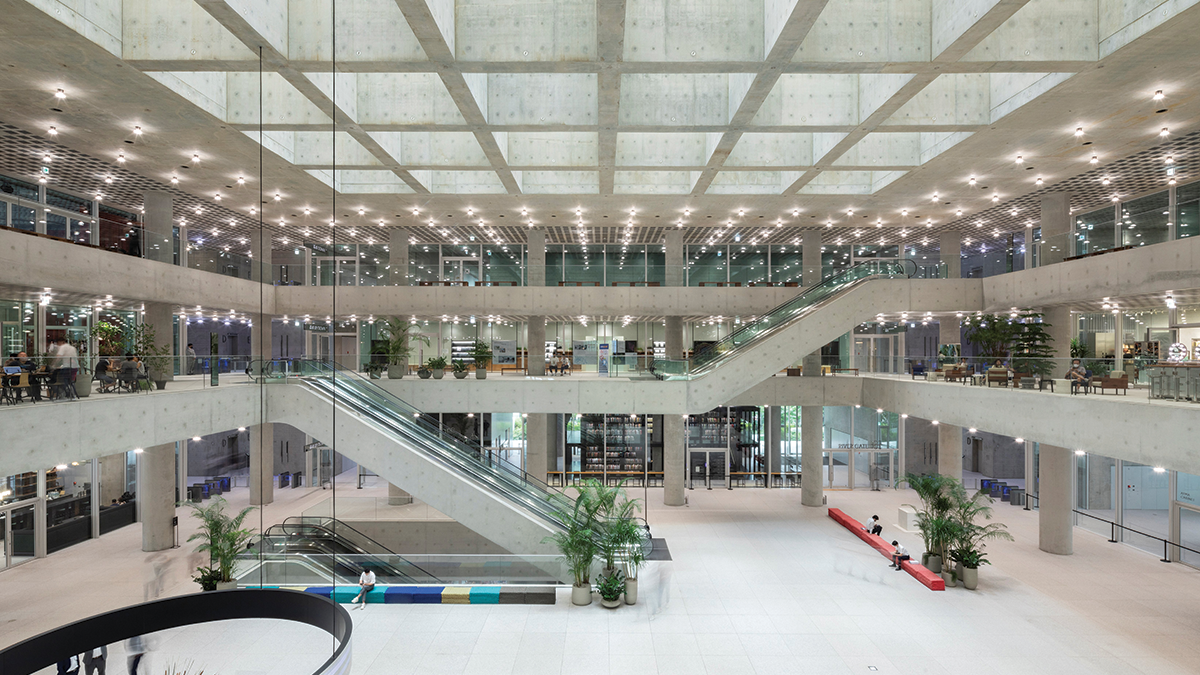
As cities become denser, the efficiency of human movement within buildings will be just as important as connectivity between them. Elevators and escalators will increasingly function as dynamic mobility networks integrated with metro stations, airports, retail corridors, office towers and residential clusters. Consequently, vertical mobility solutions are being conceived with a strong emphasis on intelligent traffic management, digital integration and space optimisation, enabling buildings to function more efficiently throughout the day.
In such an environment, vertical mobility is no longer a backend utility; it becomes a strategic layer of urban planning that directly influences how people experience space, time, and movement. In this context, TK Elevator’s approach is to deliver tailored, technologically advanced solutions that not only address current demands but also anticipate the evolving needs of India’s rapidly urbanising cities.
How does TK Elevator align its engineering and execution approach to the scale, speed and reliability demanded of public projects like airports and railway stations?
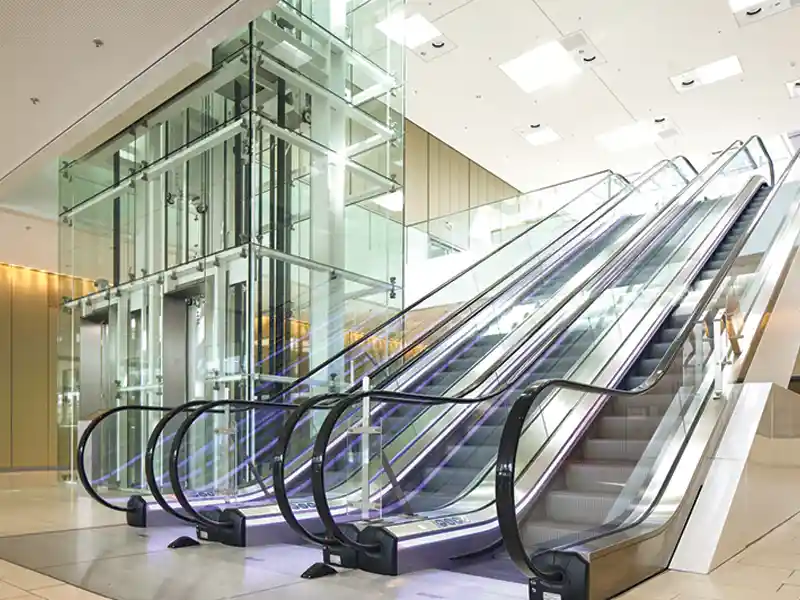
In parallel, India’s airport infrastructure is undergoing one of the most ambitious expansions globally. The number of operational airports has more than doubled over the past decade from around 74 in 2014 to over 150 today—with plans to develop around 50 new airports over the next five years to further strengthen regional connectivity and accommodate rising passenger demand.
Similarly, under the Amrit Bharat Station Scheme, more than 1,300 railway stations have been identified for redevelopment. Indian Railways is transforming these stations into integrated, future-ready transport hubs with enhanced accessibility and seamless vertical mobility.
At TK Elevator, we align our engineering and execution approach to these national priorities by combining global best practices with strong localisation. Our state-of-the-art manufacturing facility in Pune, with a current capacity of 6,000 units annually, expandable to over 10,000, positions us to support high-volume infrastructure projects while maintaining stringent quality and delivery standards.
Our solutions for high-traffic environments such as airports, metro stations and major railway terminals are engineered for intense usage and long-term reliability. By integrating IoT- and AI-enabled predictive maintenance, destination control systems and digitally connected platforms, we optimise passenger flow, reduce waiting times and minimise downtime. In mission-critical public infrastructure, where even brief interruptions can impact thousands, our proactive monitoring systems significantly enhance uptime and lifecycle performance.
We collaborate closely with government authorities, consultants and EPC partners to ensure alignment with complex timelines, safety standards and regulatory frameworks. Through this integrated approach, TK Elevator not only meets the scale, speed and reliability expected of government-led initiatives, but also contributes to India’s aspirations for a future-ready urban infrastructure.
What digital tools and predictive technologies is the company integrating to make its elevators and escalators more intuitive, efficient, and reliable?
We are using advanced digital tools and predictive technologies to fundamentally transform how elevators and escalators operate and how users experience them. A key pillar of this transformation is IoT-enabled connectivity. Our systems are equipped with real-time monitoring capabilities that continuously track performance parameters such as door cycles, ride quality, motor health, and traffic patterns. This data is analysed using AI-driven predictive maintenance algorithms that can detect anomalies before they turn into failures. Instead of reactive breakdown-based servicing, we shift to condition-based, preventive interventions—significantly improving uptime and reliability, especially in high-traffic environments like airports, hospitals, and commercial complexes.We are also integrating destination control systems that optimise passenger flow by intelligently grouping passengers travelling to similar floors. This reduces waiting times, improves travel efficiency, and enhances the overall user experience.
On the user interface side, we are incorporating touchless and smart access integrations such as mobile-based calling, access control integration and personalised ride allocation aligning vertical mobility with the broader smart-building ecosystem. Elevators are no longer isolated mechanical assets; they are connected nodes within intelligent buildings.
From an operational standpoint, digitally connected dashboards provide facility managers with actionable insights on usage patterns, energy consumption and system health. This enables data-driven decision-making, improves lifecycle management and enhances sustainability performance.
We see ourselves as contributing engineering insight at the design stage, helping developers and planners integrate vertical mobility early in master planning, and by combining global expertise with strong localisation, we design solutions tailored to India’s high-traffic, high-density conditions.
Ravikrishnan S

As urban growth expands beyond metros into tier-2 and tier-3 cities, the requirements around cost optimisation, service reach and adaptability change significantly. How is TK Elevator recalibrating its India strategy to stay relevant across this widening geographic footprint?
That’s a very important shift in the Indian market. As growth expands into tier-2 and tier-3 cities, the opportunity is significant—but so is the need for a calibrated approach. We are adapting our India strategy across three core dimensions: product localisation, service expansion, and cost efficiency.On the product side, we are focusing on modular, standardised platforms that allow us to deliver reliable, high-quality solutions at competitive price points without compromising safety or performance. Tier-2 and 3 markets often demand practical, durable solutions suited to mid-rise residential buildings, commercial complexes, and mixed-use developments. By leveraging local manufacturing at our Pune facility, we optimise supply chains, reduce lead times, and maintain tighter cost control.
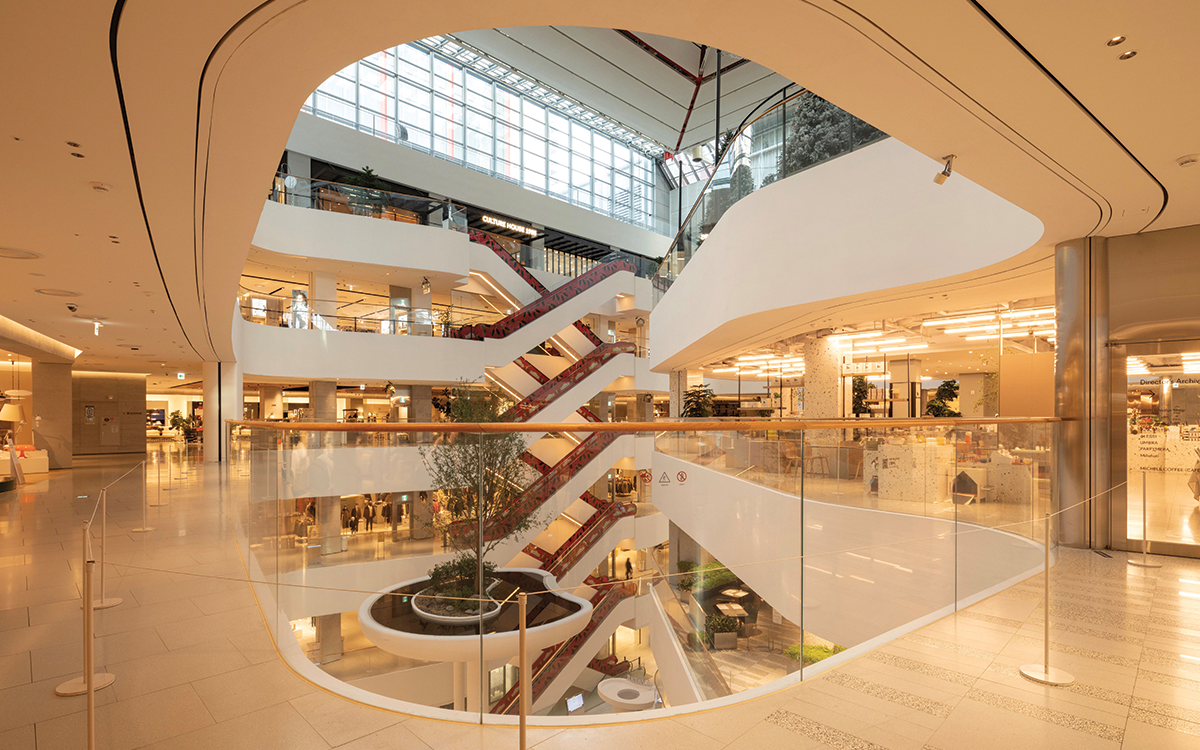
Service reach is critical in these markets as uptime and responsiveness build brand trust. We are strengthening our branch network and investing in technician training to ensure faster turnaround times. Our digitally connected solutions also make remote diagnostics possible, allowing many issues to be identified and resolved proactively, even before a service call is triggered. This significantly enhances service reliability in geographically dispersed locations.
Tier-2 and 3 cities often have varied infrastructure conditions, space constraints and evolving regulatory environments. Our engineering teams work closely with local developers, consultants, and contractors to customise solutions that align with project budgets, timelines, and building typologies. We also see growing demand in these cities for modernization of ageing elevators, which presents a strong opportunity for lifecycle-focused solutions.
Importantly, our strategy is not about offering a diluted product; it is about delivering the right technology at the right cost structure, supported by dependable service. As India’s urbanisation story becomes more geographically diverse, our objective is to combine global expertise with deep local execution, ensuring we remain relevant, accessible, and competitive across the entire growth spectrum.
How is TK Elevator making its products sustainable over the long term?
Sustainability at TK Elevator is a design philosophy that spans the entire lifecycle of our products, from manufacturing to modernization. At the manufacturing stage, we emphasise local production and responsible sourcing. Our Pune facility is designed to optimise material usage, reduce waste, and improve energy efficiency in production processes. By localising manufacturing, we also reduce transportation-related emissions and strengthen supply chain resilience. We increasingly focus on recyclable materials, low-impact packaging, and component standardisation to minimise resource intensity.We deploy gearless permanent magnet motors, regenerative drives that feed energy back into the building’s grid, LED lighting systems, and standby modes that reduce power consumption during idle periods. These features significantly lower operational energy use, which constitutes the largest environmental impact over an elevator’s lifecycle.
Digitalisation also plays a key sustainability role. Our IoT-enabled predictive maintenance reduces unnecessary service visits, optimises spare-part usage and extends equipment life by addressing issues before they escalate. Condition-based servicing not only improves uptime but also reduces material waste and resource consumption over time.
Modernisation is another critical pillar of our sustainability strategy. Instead of full replacements, we encourage phased upgrades retaining structurally sound components while upgrading control systems, drives and safety features. This approach extends asset life, reduces demolition waste and lowers embodied carbon. We work closely with developers and consultants to align our solutions with green building certifications such as LEED and IGBC, supporting broader sustainability goals in India’s real estate and infrastructure sectors.