In the Indian high-rise context, global high-speed elevators, when carefully localized as per site conditions, codes, and construction schedules, allow towers to adopt 6-10 m/s solutions without compromising safety, ride quality, or long-term reliability.
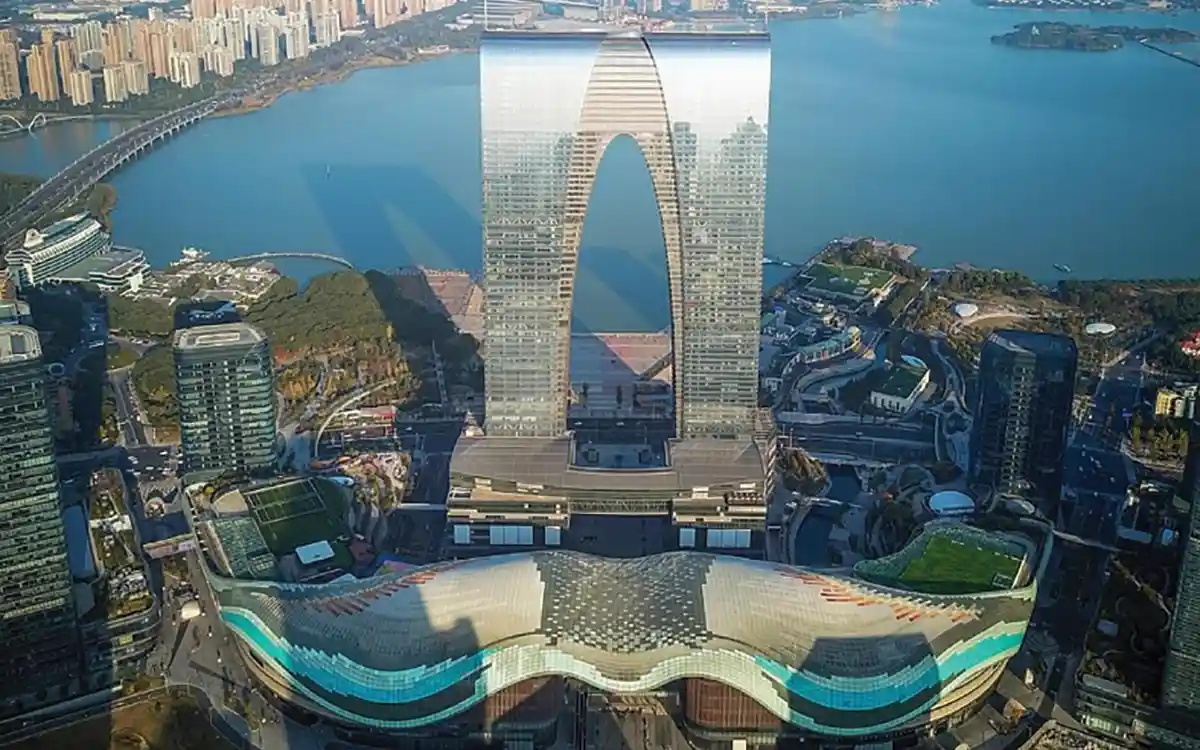
There was a time when elevators were simply another building system. But now, as city skylines continue to stretch upward, elevators have become far more fundamental: they are the circulatory system of modern architecture. They are transforming vertical travel, making it effortless, safe, and dependable.
Once elevator speeds cross 4-5 m/s, vertical transportation enters a different engineering domain. At speeds reaching 8-10 m/s, the challenge is no longer moving people quickly, but controlling energy, motion, and perception. Kinetic energy rises exponentially with speed, stopping distances increase, and even minute misalignments in rails or vibration in the system become perceptible inside the cabin. At this level, elevators must be engineered as integrated systems rather than assembled components.
High-speed elevators rely on gearless permanent-magnet traction machines, advanced VVVF drives, and precisely tuned acceleration and jerk profiles. The objective is not raw velocity, but stability. Passengers may travel hundreds of meters vertically in seconds, yet the ideal ride is one they barely notice. When motion is felt, confidence in the building itself begins to erode.
As speed increases, safety evolves from single mechanisms into layered engineering. Elevators operating above 5 m/s typically incorporate progressive multi-stage safety gears, high-precision overspeed governors, and long-stroke oil buffers designed to absorb significantly higher energy levels. Redundant braking systems with continuous brake-performance monitoring ensure controlled stopping even in abnormal conditions. Rope dynamics also become critical, requiring higher safety factors and traction monitoring to prevent slip during high-speed operation.
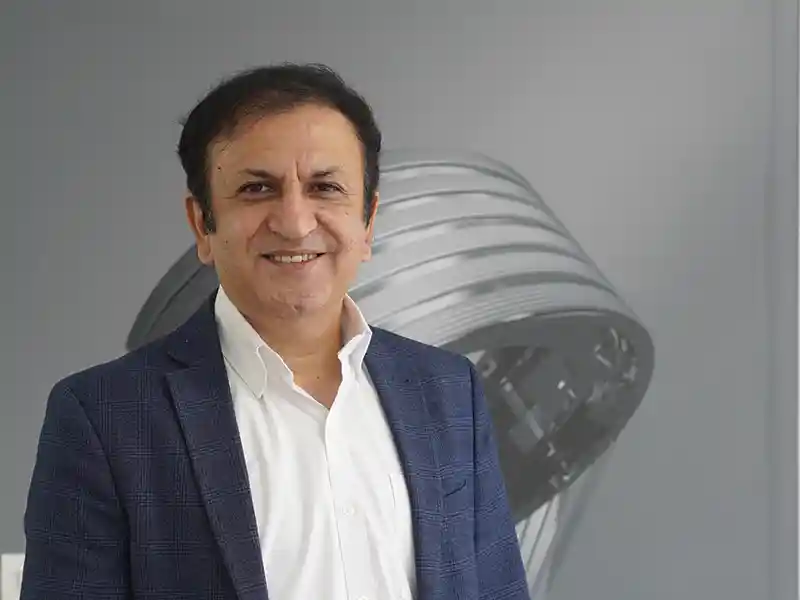
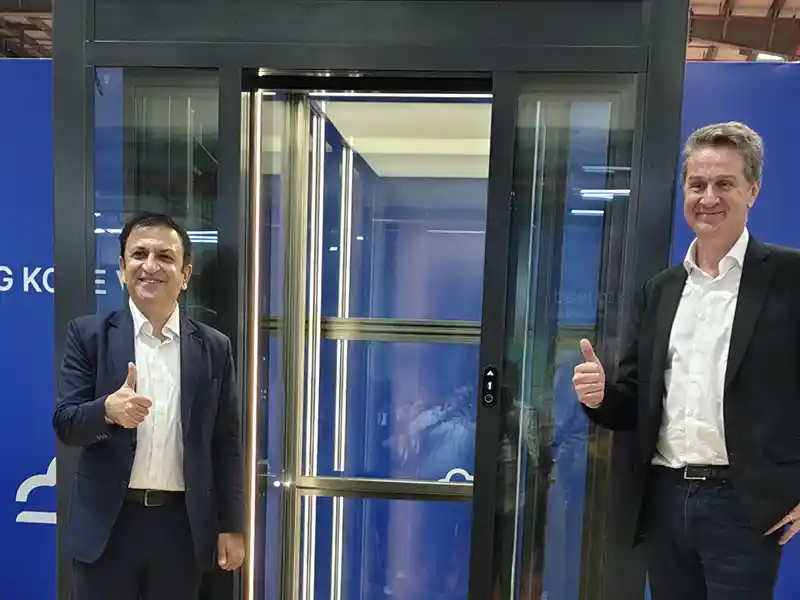
At Gilco Global, working across high-rise residential and commercial towers in partnership with global manufacturers, we see how vertical mobility quietly defines the success of tall buildings. When elevators are engineered as infrastructure rather than equipment, height becomes calm, predictable, and humane. In vertical cities, that quiet confidence is not a luxury; it is what makes height possible.
Nipun Sharma
Executive Director, Gilco Global

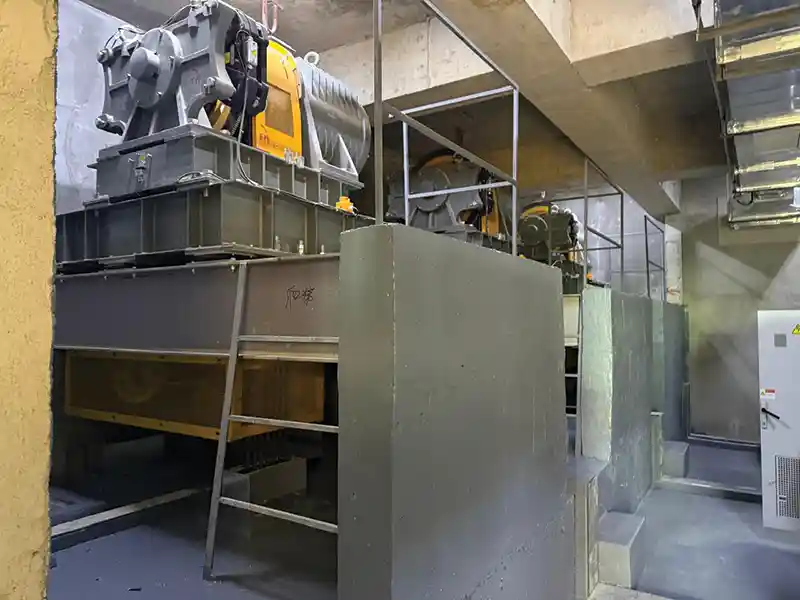
The building itself becomes part of the elevator system. Guide rails increase in size and stiffness, bracket spacing reduces, and alignment tolerances tighten significantly. Aerodynamic effects inside tall shafts must be managed to control noise, vibration, and pressure variations. High-speed elevators cannot be “added later”; they must be designed into the building core from the earliest stages.
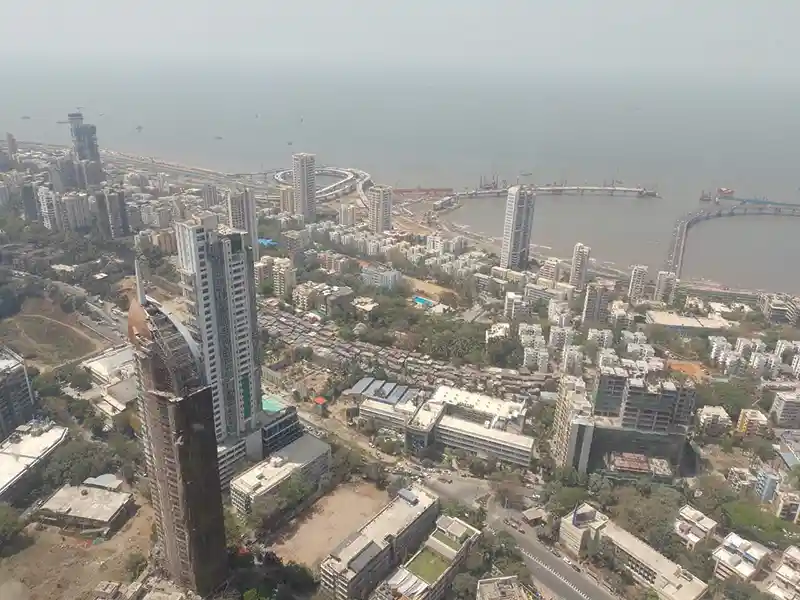
In the Indian high-rise context, these systems must also contend with variable site conditions, evolving codes, and demanding construction schedules. Global high-speed platforms, when carefully localized, allow towers to adopt 6-10 m/s solutions without compromising safety, ride quality, or long-term reliability. This is where close collaboration between engineering, installation, and service becomes decisive.