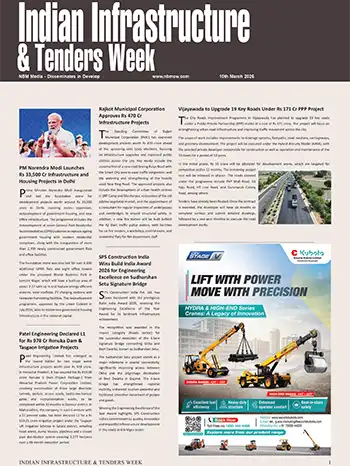
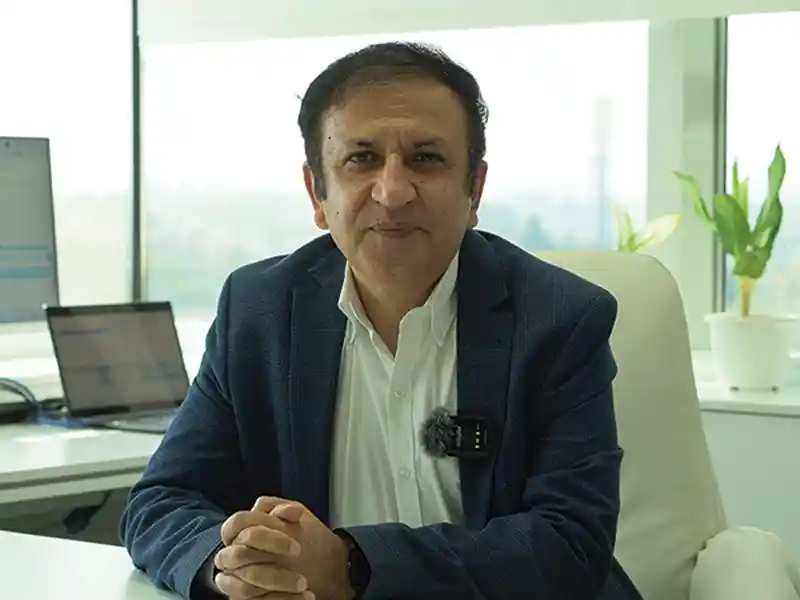
Amit Gossain, Managing Director, KONE India & South Asia, discusses the company’s growing presence across major cities and tier-2 towns with installations spanning high-rise buildings, mid-rise developments, private villas, offices, and commercial establishments, besides infrastructure projects like the railways, metro rails, and airports.
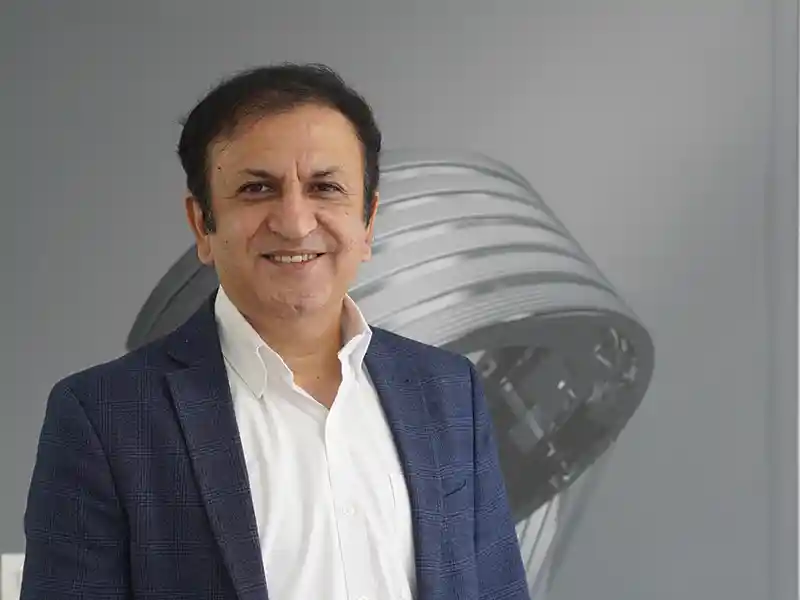
As urbanisation spreads beyond metros, demand for customised, compact, and scalable elevator solutions is rising. How is KONE tailoring its product portfolio, localisation strategy, and service model, to serve these segments across India?
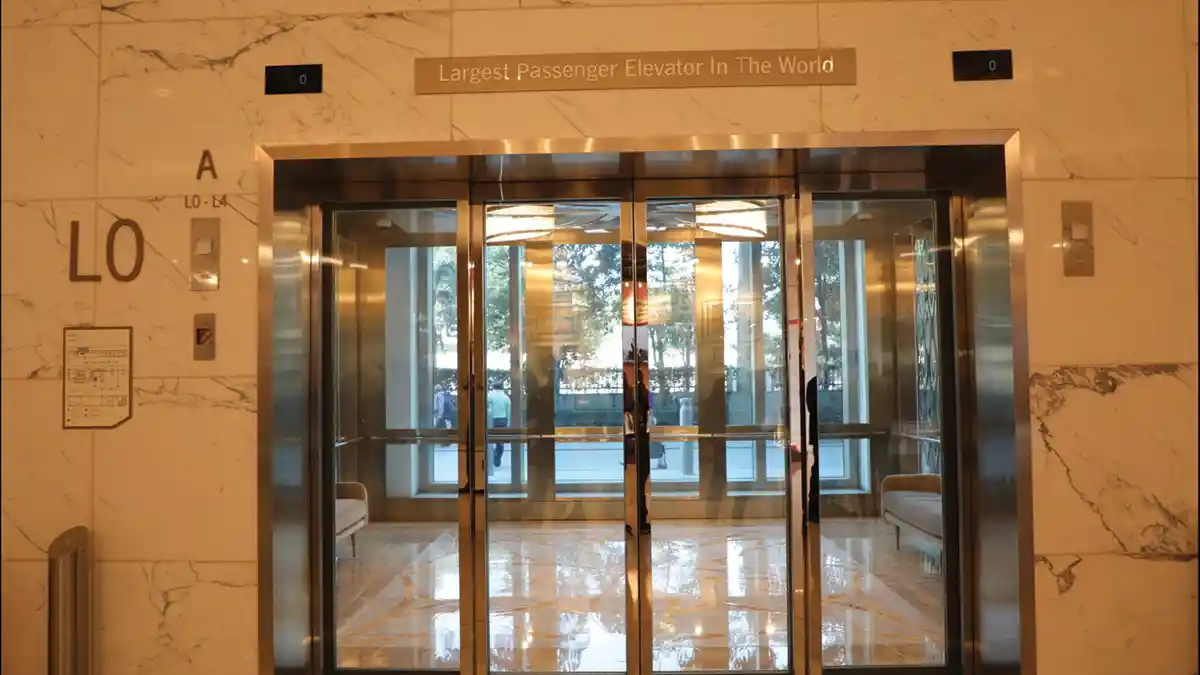
We developed the world’s largest passenger elevator at the Jio World Centre, Bandra Kurla Complex (BKC). It is a blend of engineering expertise, art and aesthetics. Measuring 25.78 sqm, this 16-ton, five-stop elevator was designed, built and tested for optimum people flow and the highest safety features. It has a unique four-panel, center-opening door, glass walls, information screens that offer updates on the building, and interiors that complement those of the Jio World Centre décor. An ornate crystal studded light is the centerpiece of this elevator, which looks like a room.In the smaller segment of the business—covering compact elevators for low-rise buildings—growth is occurring at a rapid pace. To address this demand, a wide range of solutions has been introduced. These include the Villa Elevator as well as the A-Mono and I-Mono models, each available in multiple configurations to serve the lower, mid, and premium segments.
The revolutionary I MonoSpace® SMART, KONE I MiniSpace™ and KONE A MonoSpace® SMART elevators are the first elevators in the industry to be fully compliant with the new IS 17900 safety standards. Powered by advanced Programmable Electronic System in Safety-Related Applications for Lifts (PESSRAL) technology, they feature fail-safe redundancy with dual-channel safety controllers. Tamper-proof safety modules prevent unauthorized bypasses, while high-strength door systems and light curtains maximize user safety.
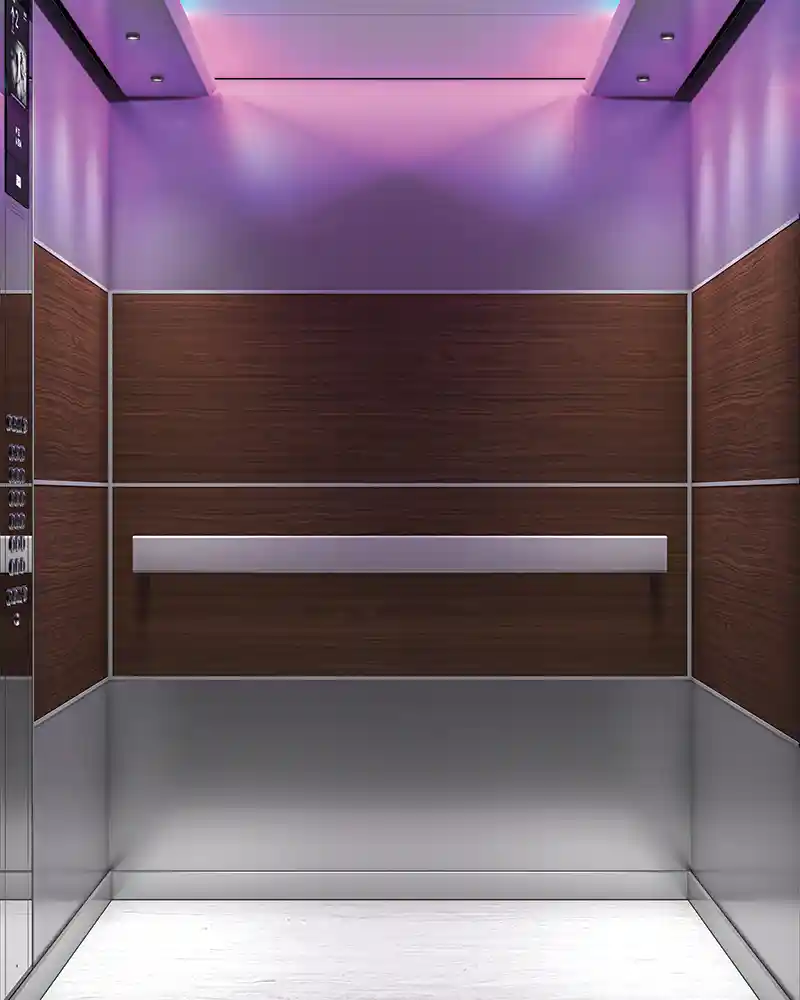
They are very energy efficient, and have built-in future-ready digital connectivity. In addition to their technological advancements, they feature customizable interiors inspired by nature, with 35 design themes catering to diverse architectural styles.
What was the ideation behind the development of Villa 100?
There is a very strong demand for home lifts in private residences. The GDP is performing well, and private houses are seeing steady growth. Demand in this segment is growing at high single-digit to double-digit rates, varying from city to city. The upscale villa segment, especially, is seeking elevators that combine aesthetics, safety, and reliability.We developed the Villa 100 keeping this requirement in mind. The elevator is characterized by a very low pit requirement, and its power consumption is lower than that of a refrigerator, which is a significant advantage. It is designed for a limited number of floors and offers an all-glass option, allowing full visibility and enhanced aesthetics. Plus, the elevator comes with its own integrated shaft, eliminating the need for customers to construct a separate shaft. These features distinguish it from mainstream elevators, which typically require a built shaft and involve higher structural requirements.
Designed for villas and low-rise residential buildings, the KONE Villa 100 combines energy efficiency, comfort, and safety in a compact footprint. Powered by permanent magnet synchronous gearless technology with VVVF control, it operates on a 220V single-phase power supply and consumes significantly less energy than conventional home elevators. Intelligent energy-saving features automatically switch off cabin lighting and ventilation when not in use and reactivate them instantly when required.
The KONE Villa 100 delivers a quiet and smooth ride with optimized speeds and reduced noise levels. Safety is integrated into the core design, with features such as automatic rescue operation during power outages, emergency lighting, and controlled movement to the nearest floor to ensure safe exit.
The elevator also offers a wide range of interior finishes and scenic glass configurations, allowing homeowners to integrate the elevator with contemporary home architecture.As home designs and lifestyles evolve, we remain focused on offering a comprehensive range of solutions that combine safety, sustainability, and design flexibility. With the launch of the KONE Villa 100, KONE continues to strengthen its residential portfolio in India, responding to the growing demand for safe, sustainable, and design-forward home mobility solutions.
Our aim is to deliver the best people flow solutions with superior product quality, safety, and customer service. In fact, our business approach is highly customer centric.
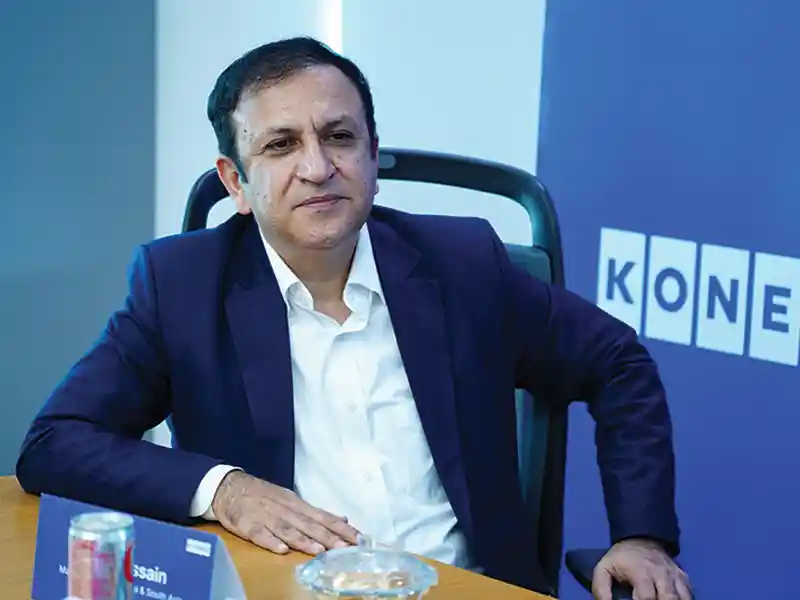
How is KONE responding to the evolving requirements of residential, commercial, and mixed-use developments in India, particularly in terms of space utilization, ride comfort, energy efficiency, and smart building integration?
Under its “Rise to Lead” strategy, KONE focuses on four distinct shifts: digitalization; driving modernization in existing buildings; winning in the residential segment; and cutting carbon emissions. Across all these areas, continuous improvement is being pursued. In fact, the company is highly digitalized—from customer interface to internal processes, enhancing productivity and efficiency.Modernization efforts focus on upgrading aging buildings with advanced solutions that improve performance and extend lifecycle value, making them comparable to new and versatile structures. In the residential segment, several products have been launched, including villa elevators, to address evolving housing needs.
What is the driving force behind Kone’s new developments?
Our objective is to make our elevators and escalators smarter, smoother, safer and more intuitive, which leads us to innovate and offer sustainable products and break-through innovations that make buildings safer, smarter and more intelligent.Our solutions are based on feedback from our customers, project managers, and the building’s architects, with the aim of enhancing the building’s performance by enabling smooth and comfortable ride experience for its users. All our solutions are based on cutting-edge technology and adhere to international safety and quality standards such as ISO 9001, ISO 14001, and OHSAS 18001.
How are KONE’s products and solutions contributing to green building goals, reducing energy consumption, and lowering lifecycle costs for plants?
In fact, KONE’s sustainability goals are clearly defined at a global level. By 2030, the company aims to achieve carbon neutrality. While India’s national target is 2070, from a corporate perspective, every effort is being made to achieve carbon neutrality by 2030, including in India.
Sustainability is central to the company’s approach. Finland is recognized as one of the most sustainable countries in the world, and KONE is ranked among the top 100 most sustainable companies globally.
Our factory is IGBC Platinum-rated and demonstrates a strong commitment to sustainable practices. It operates using completely recycled water and solar energy, among other sustainability measures.
At the technology center, continuous efforts are underway to reduce carbon emissions. Digitalization further enhances sustainability by increasing productivity and operational efficiency. Overall, sustainability remains a central focus across products, manufacturing, and operations.
How does KONE engage with architects, planners, and project integrators early in the design phase to ensure seamless integration of vertical transport systems?
Engaging with architects at an early stage is critical, as they are the key decision-makers in a building’s design and layout. Early collaboration ensures that vertical transportation systems are seamlessly integrated into the overall building concept.KONE has its own architectural team focused primarily on elevator design. In addition, sales engineers and installation teams work closely with architects from the initial stages of a project. This collaboration helps refine building designs, optimize layouts, and ensure accurate traffic calculations.
Understanding the architects’ exact requirements and enhancing their existing designs are key focus areas. Support is also provided in determining the appropriate number of elevators, escalators, and people flow solutions required for efficient movement within the building.
Specialized software tools are used to conduct traffic analysis and people flow simulations. These tools assist architects and consultants in planning effectively, ensuring that vertical transportation systems are well-integrated and aligned with the building’s functional requirements.
How does KONE help architects and developers tailor elevator solutions to different architectural styles and usage needs?
Customization is very important; hence, we offer a full range of options, allowing customers to select the most suitable solution. There are 37 interior design options available for elevators and escalators, which is among the highest in the industry. This enables selection of the right product range, the appropriate elevator or escalator, and the desired finishes.The design options are offered through the company’s own factory. These include stainless steel finishes, various steel designs, and multiple painted finishes that are visually appealing. Many customers, often working with leading architects, carefully design their interiors and may request specific finishes. They can either customize the interiors independently or select from the available range. If they choose to work with the company’s offerings, they can simply select from a brochure, and delivery is ensured within a short timeframe. In this way, tailored solutions are provided to meet specific project requirements.
Engaging with architects at an early stage for seamless integration of vertical transportation systems is critical as it helps refine building design, optimize layout, and ensure accurate traffic calculation.
How is KONE leveraging IoT, AI, digital twins, and cloud-based platforms to deliver safety, better performance, and service outcomes?
Safety is the most important part of the business, and it is equally important for customers and for the organization. Teams are consistently reminded that their first responsibility is safety—their own safety, the safety of their families, and the safety of customers.To ensure this, dedicated technicians manage service operations for all customers. KONE was among the first to introduce digital 24/7 connected services, which are IoT-based. These systems send signals from the elevator to a remote monitoring center when a component is likely to fail. The information is processed through cloud, enabling a technician to address the issue before a breakdown occurs.
Some customers observe that the elevators rarely fail while they continue to pay for annual maintenance contracts. This reliability is largely due to the 24/7 connected services that proactively prevent failures. Although this service involves additional cost, it is worthwhile for enhanced safety and reliability.
It is also important for end-users to operate elevators and escalators responsibly. Proper usage and maintenance of buildings, including elevators is essential. Safety depends not only on professional servicing but also on avoiding misuse.
How is the company meeting the demand of Tier 2 &3 cities which are experiencing strong growth?
Tier 2 & 3 cities have now started developing what can be classified as mid-rise buildings, typically up to 12 to 14 floors. Overall, healthy demand is being observed across segments.These cities are also advancing to the latest technology with new malls and airports being outfitted with modern escalators and elevators. The demands have spurred innovations such as simpler bilingual controls and more rugged elevator designs.
However, serving smaller cities comes with both challenges and opportunities. Though developers and customers want modern amenities, they often select basic elevator models that are more cost-effective. Hence, elevator manufacturers have developed scalable designs that can easily be upsold to meet the demands of more luxurious projects. Then there is the issue of power outages in small towns, so elevators come with voltage stabilisers and battery-backed rescue devices.
How is KONE addressing the modernization requirements of older elevators in high-rise buildings?
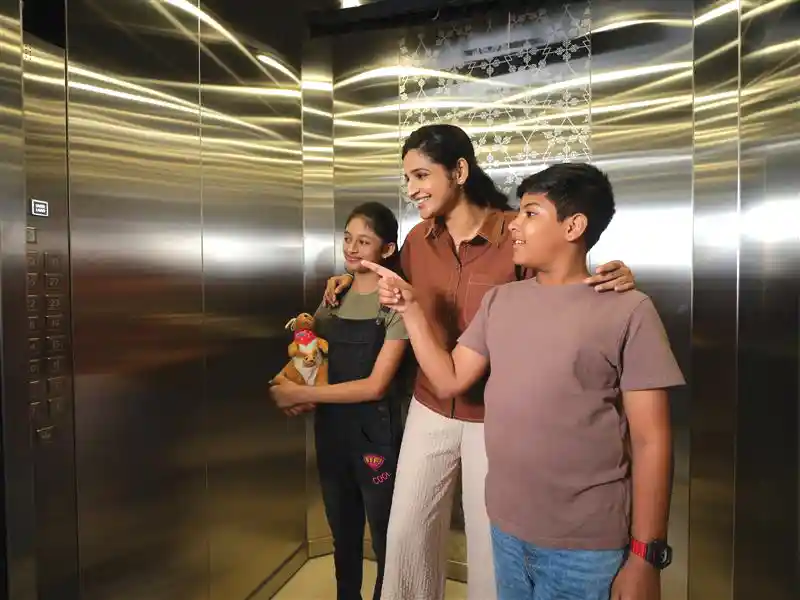
In addition, regular inspections of elevators and escalators are conducted. After a certain number of years, customers are advised when modernization or upgrades become necessary to meet current standards. This is important not only from an aesthetic perspective but, more importantly, to ensure continued safety and compliance.
What installation solutions does KONE offer for existing buildings that currently do not have elevators?
For buildings that do not have an existing shaft—such as many apartments in cities like Delhi, Mumbai, and Pune—solutions are now available. If the building is not very tall, the Villa elevator can be installed, as it comes with a built-in shaft. This eliminates the need to construct a separate shaft within the building.Alternatively, an external shaft can be constructed, and an elevator can be installed within it. This provides flexibility, allowing building owners to either opt for a Villa elevator for low-rise structures or build a shaft and select from a wider range of elevator options available in the portfolio.
Are there specific segments (like healthcare, data centers, smart buildings, industrial logistics) where you are seeing heightened demand and unique opportunities?
Demand in India is now widespread across multiple segments. There has been significant growth in data centers, warehouses, hospitals, and large retail shopping centers. Although there was an expectation that digital and online shopping would dominate, large physical shopping centers continue to see strong demand.Growth is evident across housing, retail, healthcare, data centers, and other infrastructure segments. Products and solutions are available for all these categories of projects, with a strong focus on delivering them efficiently and effectively. This approach supports continued growth and leadership, both from a business perspective and in terms of customer value.
KONE Elevators: Taking Urban Mobility To The Next Level of Modernization
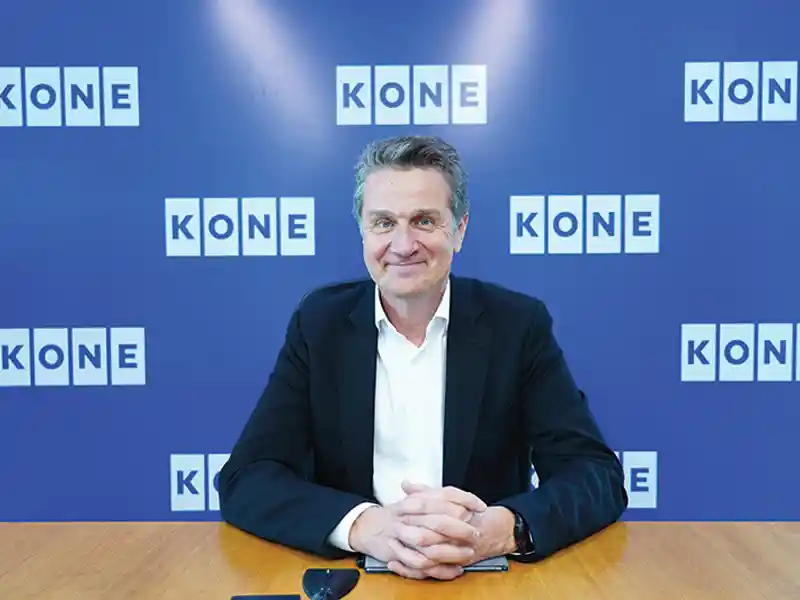
“There is a strong alignment between KONE’s global strategy and local execution, which is positioning India as a key contributor to KONE’s long-term growth vision.”
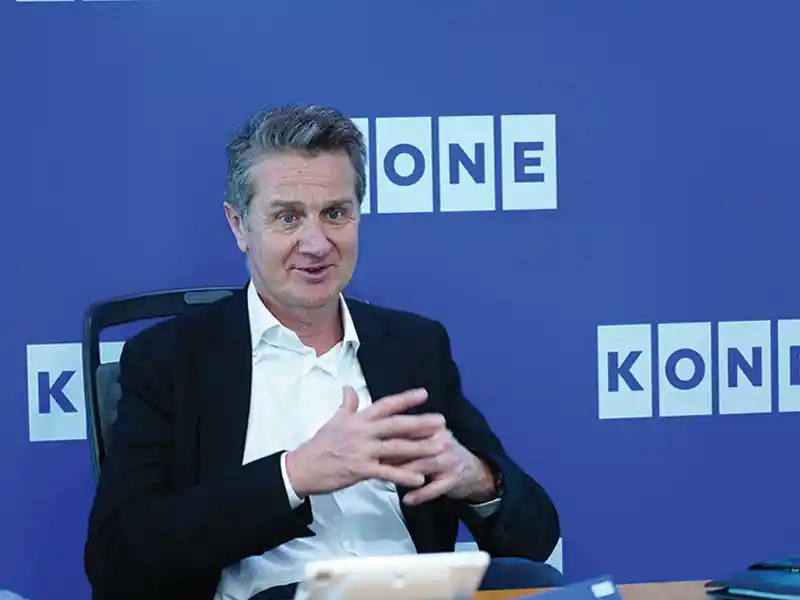
Philippe Delorme
President & CEO
KONE Corporation
What are KONE’s major global priorities and how does India fit into the company’s long-term vision?
KONE launched its current strategy about a year and a half ago, built around four key priorities, which are fully aligned with the company’s direction in India.The first is transforming the service business through digital technology and AI. This transformation is actively underway in India, enhancing efficiency, predictive maintenance, and customer experience.
The second focus area is expanding in the residential segment, particularly in the villa and affordable housing categories. The launch of the Villa 100 elevator aligns with this objective by addressing the growing demand in the low-rise and villas market.
The third is strengthening the modernization business. While India is a relatively young market, the major construction boom began around 25 years ago. As a result, a significant number of elevators are now reaching the stage where modernization is essential to ensure safety, performance, and compliance. This represents an emerging opportunity in India, similar to trends already seen in Europe.
The fourth is sustainability with a strong focus on reducing carbon emissions and improving energy efficiency. Sustainability is embedded across KONE’s operations and product developments. Overall, there is strong alignment between global strategy and local execution, positioning India as a key contributor to KONE’s long-term growth vision.
What have been the key drivers behind KONE’s performance in India?
The two most important drivers of KONE India’s performance and sustained growth have been people and our strong customer centricity. The teams in India demonstrate exceptional commitment to understanding and addressing customer needs, which has been a significant strength.The second key driver is innovation. Continuous engagement with customers and actively listening to their feedback have enabled the company to respond effectively to evolving market demands. The launch of the Villa 100 elevator is a strong example of this innovation-led approach —identifying gaps, understanding customer expectations, and delivering solutions tailored to their specific needs.
What are the key differentiators that set the company apart in the industry?
KONE stands out for its agility and ability to adapt quickly to emerging market trends. For example, KONE is among the first global players to enter the villa market with an innovative solution, demonstrating its responsiveness and speed in addressing evolving customer needs.Another key differentiator is the digitalization as a means of delivering greater value to customers and driving organizational transformation. Over the past two years, digital transformation has been a major focus area, and the company has responded rapidly by integrating digital solutions into its operations and services, further strengthening its competitive position.
By continuously developing technology that makes vertical transportation safer, more user-friendly, and more sustainable, KONE plays a critical role in supporting the future growth of India’s infrastructure and cities.
What role do Indian operations play in supporting KONE’s global sustainability and ESG commitments?
KONE committed to carbon reduction across Scope 1, 2, and 3 emissions in 2018. The company is now working toward achieving net-zero emissions. For example, at our manufacturing site in Chennai, 100% of the energy used comes from solar panels. However, this addresses only Scope 1 and Scope 2 emissions, which represent a smaller portion of the overall carbon footprint.Scope 3 emissions that are related to suppliers and customers, account for more than 99% of the total carbon footprint and therefore have a much larger impact. To address this, the company is continuously developing technologies that are more energy-efficient and sustainable.
India continues to play a critical role in KONE’s global growth strategy. The unveiling of the KONE Villa 100 reflects our commitment to developing energy-efficient, reliable solutions that are well suited to local customer needs, while leveraging KONE’s strong manufacturing and engineering capabilities.