India’s built environment is entering a decisive phase. Rapid urban growth, increasing resource stress, and climate volatility are no longer distant concerns but active design conditions shaping how architecture must evolve.
Ar. Sonali Bhagwati, Design Partner, Designplus Architecture (DPA)
For architects today, sustainability cannot remain an optional layer added to projects late in the process. Responsive and resource-conscious design must begin at the drawing board and influence every stage of decision-making, from planning and orientation to material selection and lifecycle performance.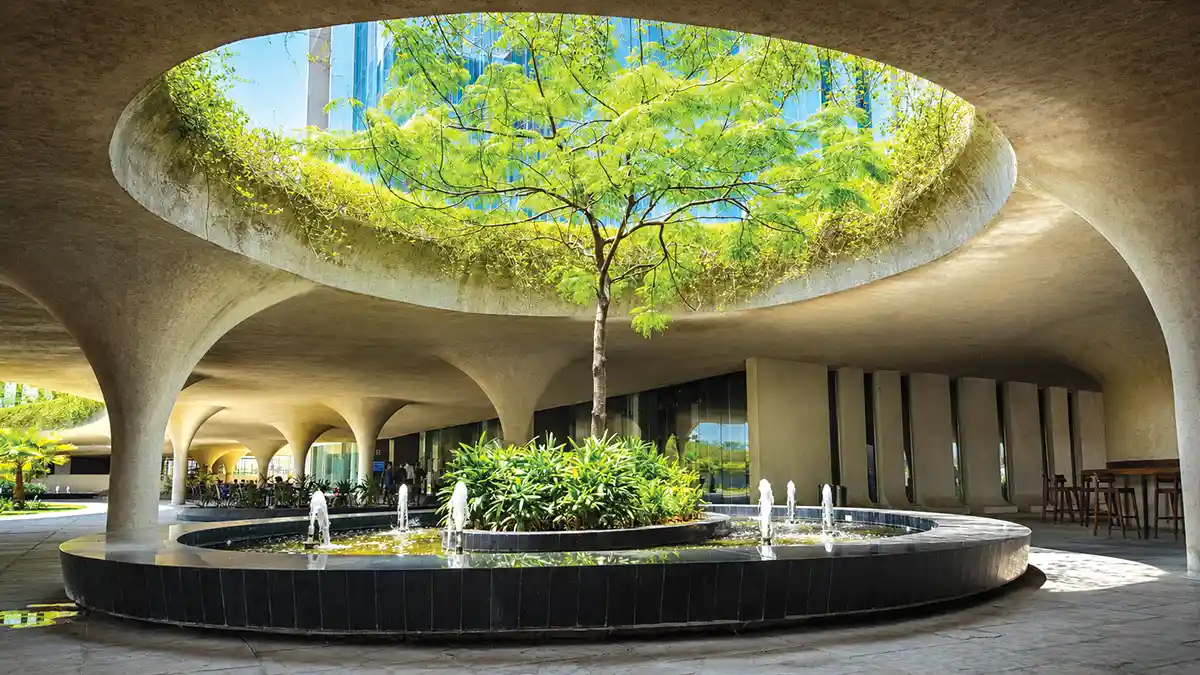
The conversation around sustainable architecture often focuses on technology and certification systems. While these frameworks are valuable, genuinely responsive architecture begins with a deeper understanding of context. Climate, geography, density, mobility, and patterns of use are not constraints but design generators.
Across India, traditional architecture responded intelligently to local conditions through passive cooling, shaded edges, courtyards, and climate-appropriate materials. These strategies were inherently efficient because they evolved from necessity and environmental understanding. Contemporary architecture has the opportunity to reinterpret these principles using present-day knowledge and technology.
The future of architecture will not be defined by excess or spectacle, but by intelligence and restraint. Responsive architecture is ultimately about designing with greater awareness of climate, resources, and human needs.
Ar. Sonali Bhagwati

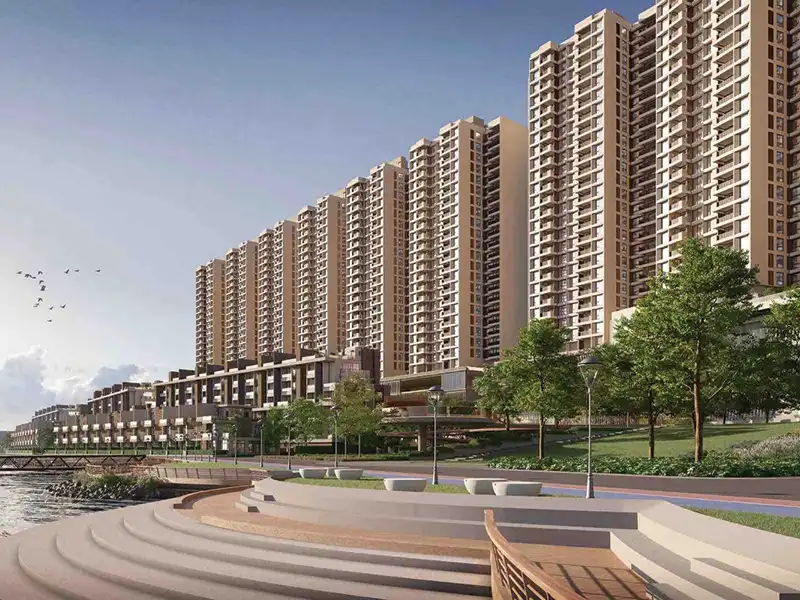
In residential environments, careful orientation, natural ventilation, and the integration of landscape help moderate internal conditions while reducing dependence on energy-intensive systems. Transitional spaces, shaded outdoor areas, and layered thresholds create homes that respond to climate while supporting comfort and wellbeing.
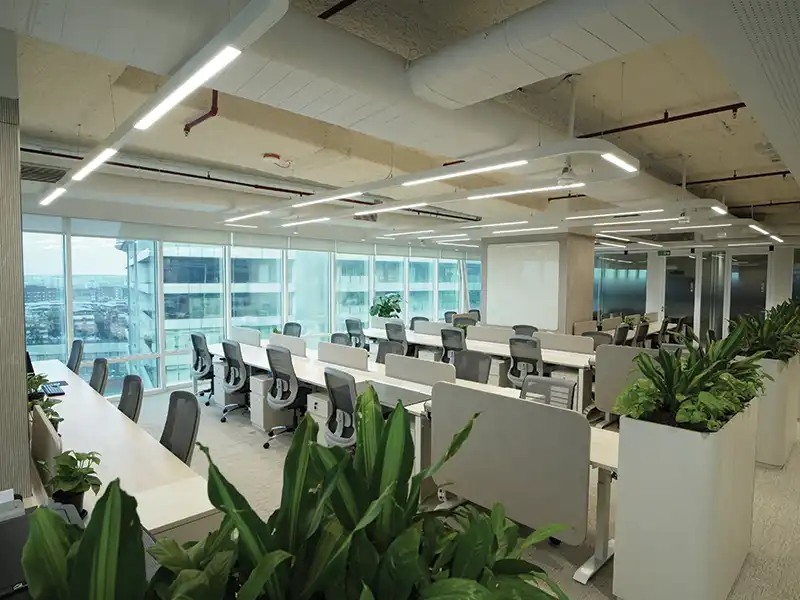
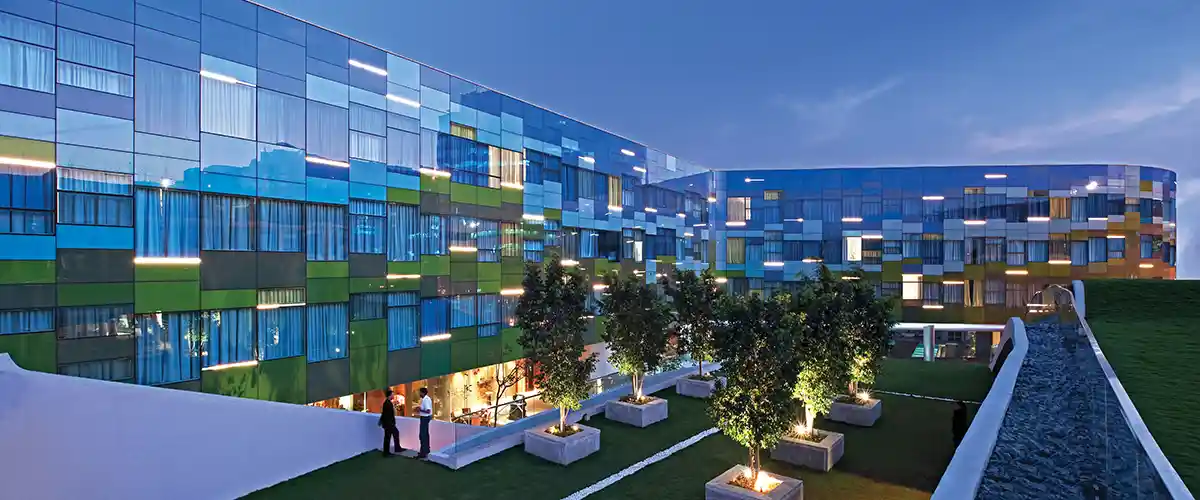
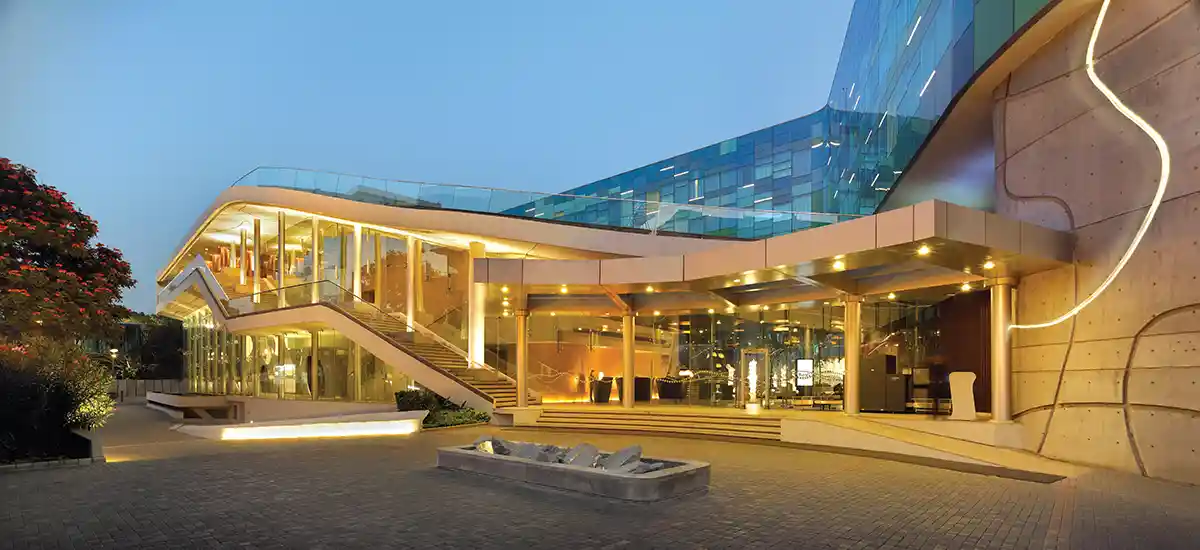
In hospitality and commercial projects, resource consciousness extends beyond operational efficiency. Water management, material durability, daylight planning, and maintenance requirements are considered as part of a building’s long-term environmental impact. Design decisions must account not only for immediate performance but also for how buildings age, adapt, and remain relevant over time.
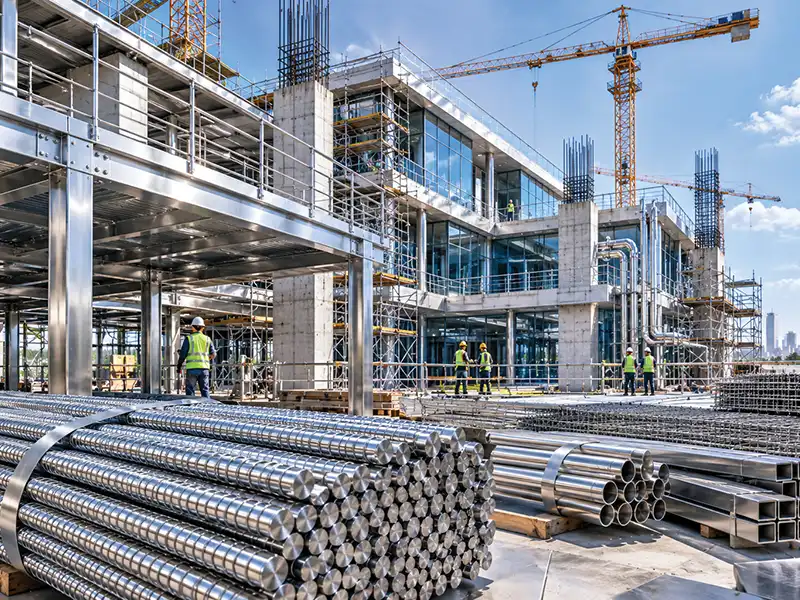
Material responsibility forms another critical layer of this discussion. Every material carries an environmental cost linked to extraction, processing, transportation, and disposal. Designing resource-conscious environments therefore requires balancing performance, longevity, and local suitability rather than pursuing material choices driven solely by aesthetics or trends.
Technology is increasingly influencing this shift. Digital modelling, environmental simulation, and smart infrastructure provide architects with tools to assess performance with greater precision. However, technology alone cannot produce sustainable architecture. Smart systems are most effective when supporting fundamentally sound design strategies rather than compensating for poorly conceived buildings.
Equally important is the scale at which architects think. Buildings cannot be viewed in isolation from the cities they inhabit. Mobility networks, public space, ecological systems, and water infrastructure are all interconnected components of environmental resilience.
As the built environment continues to expand, the responsibility before architects is clear: to create places that perform efficiently, endure meaningfully, and contribute positively to the ecological and urban futures we collectively shape.
The conversation around sustainability must move beyond intent towards action. Designing responsive and resource-conscious environments is no longer a specialised agenda, but an essential responsibility that will define the resilience and relevance of our cities in the years ahead.