Sustainability is not merely a question of efficiency. It is about creating spaces that are resilient, comfortable, adaptable, and deeply connected to their environment.
Ar. Pathik Joshi and Ar. Abhilasha Porwal Joshi, Founders, Kypad Design Office LLP
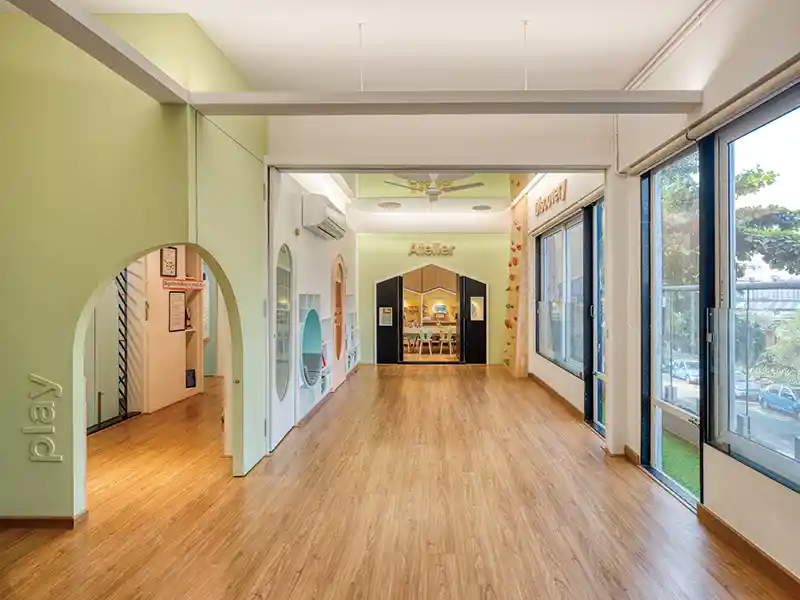
As architecture evolved, many of these responses gradually gave way to increasingly sealed environments dependent on artificial comfort. Today, as cities grapple with rising temperatures, resource scarcity, and environmental stress, the wisdom embedded within these traditional principles feels more relevant than ever.
Designing with climate does not mean rejecting contemporary architecture or technological innovation. Rather, it asks us to place environmental intelligence at the beginning of the design process. Orientation, daylight, airflow, shading, and material performance must inform design decisions from the outset, allowing buildings to work with their surroundings rather than against them.
Perhaps the future of architecture lies not in increasingly complex systems designed to overcome environmental conditions, but in rediscovering how buildings can respond to them intelligently.
Ar. Pathik Joshi and Ar. Abhilasha Porwal Joshi

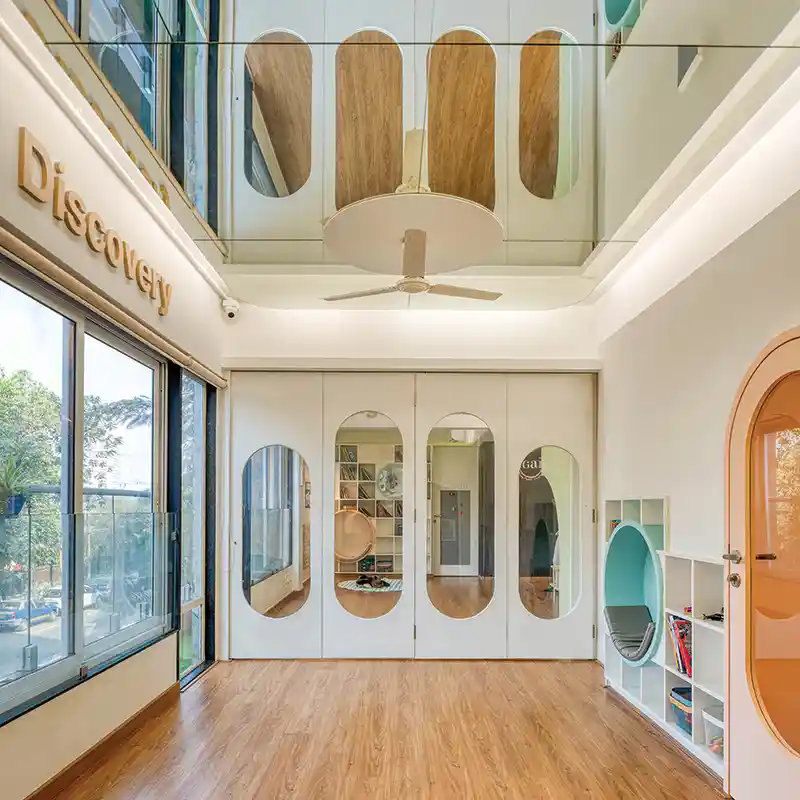
Environmental responsibility is often associated with advanced technologies, certifications, and performance metrics. While these tools have an important role to play, some of the most meaningful decisions are often the simplest. Maximising natural light, encouraging cross ventilation, reducing unnecessary material consumption, and creating adaptable spaces can have a lasting impact on both environmental performance and user experience.
Equally important is the question of longevity. Sustainability is not only about how a building performs on the day it is completed, but how it continues to serve its occupants over decades. Spaces designed with flexibility can adapt to changing lifestyles and functional needs without requiring extensive renovation. Similarly, durable materials that age gracefully reduce the need for frequent replacement, lowering both resource consumption and long-term environmental impact.
The conversation around materials must therefore move beyond whether a product is labelled sustainable. Architects and designers must also consider durability, maintenance requirements, lifecycle performance, and the ability of materials to remain relevant over time. A well-chosen material that lasts for decades can often be more responsible than one that requires repeated replacement despite carrying sustainable credentials.
The most enduring architecture often emerges when designers pay close attention to light, wind, landscape, materiality, and place. Architecture performs best when it listens first and designs second.