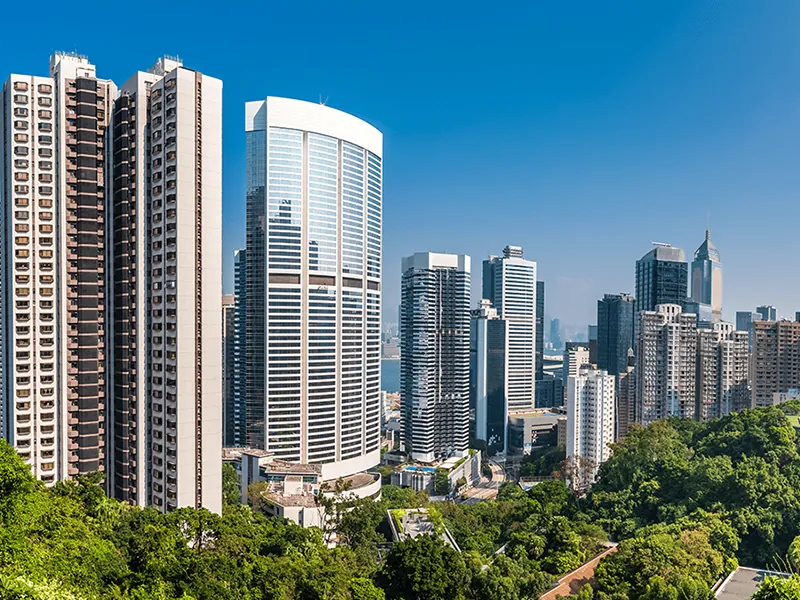
This shift represents a move beyond the “glass skin” toward a more intelligent and climate-responsive architectural envelope. Designers are increasingly recognizing that façades must be rooted in geography rather than aspiration. What works in temperate Western climates cannot be replicated blindly in tropical or composite regions. In India, excessive glazing frequently results in high heat gain, uncomfortable interiors, dependence on mechanical cooling, and increased operational costs. As a result, architects are rethinking transparency as a default language of modernity.
Climate-responsive façades are now drawing from vernacular intelligence, passive cooling traditions, and regional craft, while embracing contemporary engineering.
Aayush Arya
Principal Designer
6Hues Architecture Studio

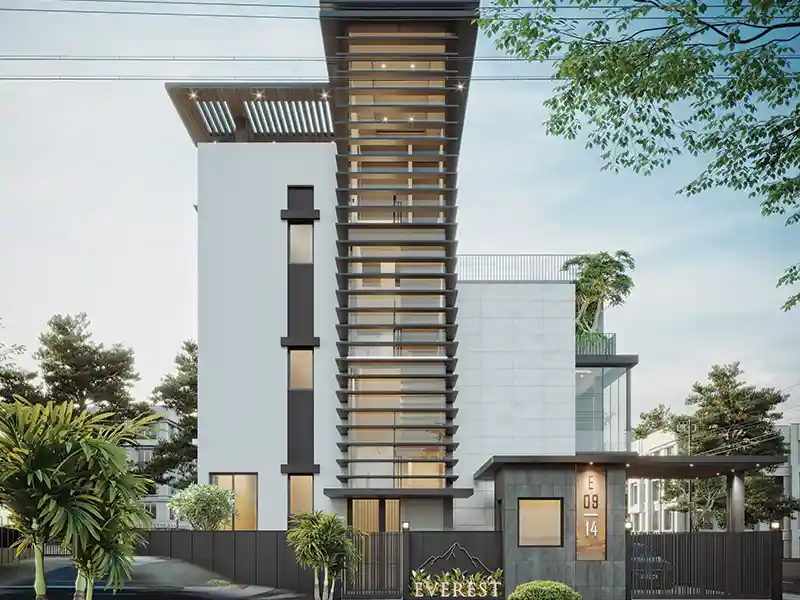
The new façade vocabulary is layered, contextual, and performance-led. Instead of singular glass surfaces, buildings are now integrating external shading devices, recessed openings, perforated screens, ventilated cavities, and deep overhangs. These elements reduce solar exposure while allowing natural light and airflow. They also create depth and articulation, giving buildings a richer architectural identity than flat curtain-wall systems ever could.
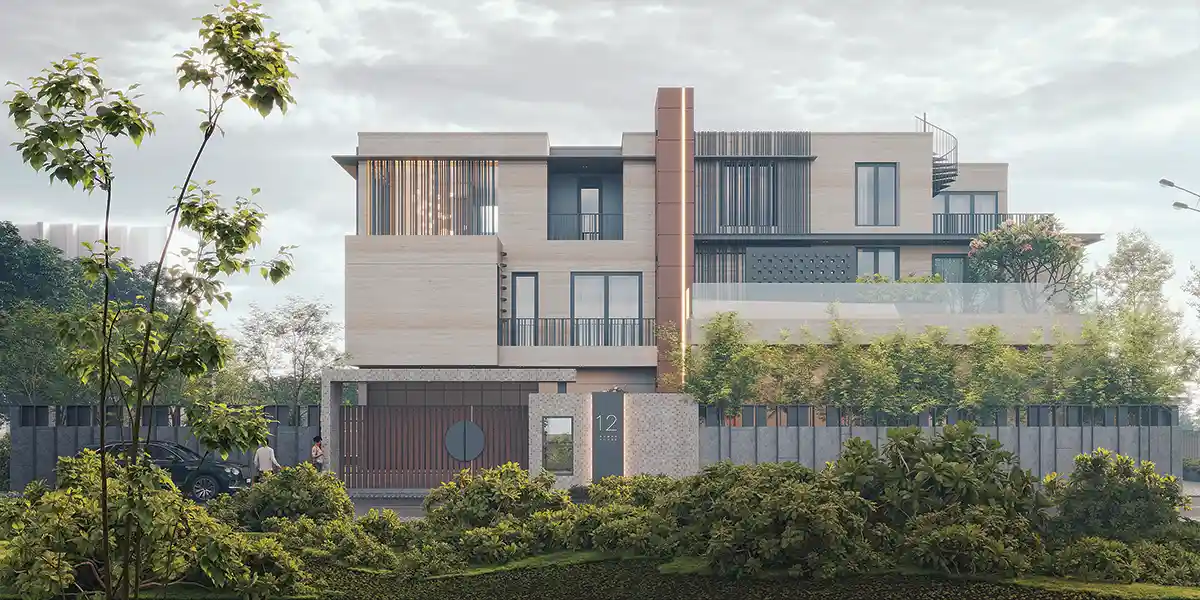
Materiality has become central to this evolution. Locally relevant materials such as terracotta, sandstone, exposed brick, laterite, and limestone are returning to prominence—not out of nostalgia, but because they offer measurable environmental advantages. Their thermal mass helps regulate temperature, their durability supports longevity, and their textures age gracefully in harsh climates. More importantly, these materials reconnect architecture to place, creating façades that feel regionally grounded rather than globally generic.
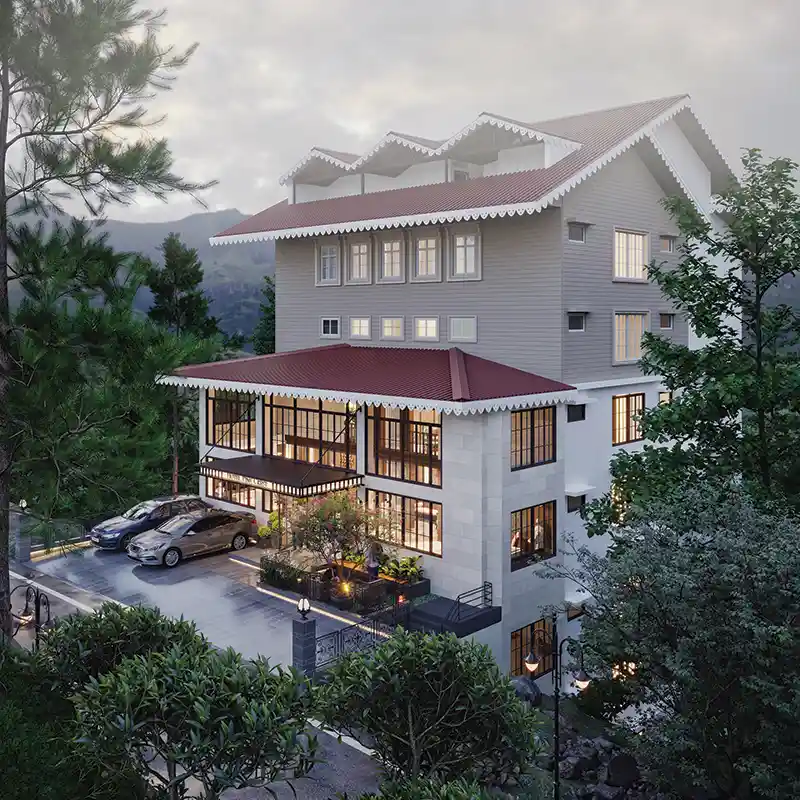
Another emerging dimension is adaptability. Increasingly, façades are being conceived as dynamic systems rather than static walls. Operable louvers, responsive shading panels, integrated photovoltaic surfaces, and programmable lighting systems are allowing buildings to react to changing climatic conditions and user needs. After sunset, façades can become communicative urban surfaces through subtle lighting integration, enhancing identity without excessive energy use.
The deeper conversation, however, is cultural. Climate-responsive façades signal a broader confidence within Indian architecture—one that no longer seeks validation through imported aesthetics. Instead, it draws from vernacular intelligence, passive cooling traditions, and regional craft while embracing contemporary engineering. This synthesis of tradition and innovation is where the most meaningful progress lies.
The façade of the future will not be defined by how much glass it uses, but by how intelligently it mediates between inside and outside. It will conserve energy, improve comfort, respond to climate, and express identity. Moving beyond the glass skin is not a rejection of modernity—it is architecture finally becoming relevant to where it stands.