Responsible architecture is rarely defined by a single sustainable product or specification. Instead, it emerges through a series of thoughtful choices that balance performance, availability, craftsmanship, and environmental impact.
Jamshed Banaji and Nirmala Banaji, Principal Architects, Banaji & Associates
Every building begins with a series of choices. Long before a space is occupied, decisions about stone, timber, metal, concrete, glass, and finishes have already shaped its environmental footprint. While sustainability is often discussed in terms of operational performance, the conversation must also include the materials that form the very fabric of our built environment.Material responsibility begins with awareness. Every material requires resources to extract, process, transport, and install. As architects and designers, our role extends beyond selecting materials that look appealing. We must understand where they come from, how they are produced, and what impact they leave behind.
Sustainability should be viewed not as an added layer to the design process but as a consideration embedded within every material decision.
Jamshed Banaji and Nirmala Banaji

The most responsible material choice is not always the newest or the most technologically advanced. Often, it is the material that is most appropriate for its context. Locally sourced stone, regionally available timber, and materials produced closer to the project site can significantly reduce transportation-related emissions while strengthening a project’s connection to its surroundings. These choices also support local industries and skilled craftsmanship, creating value beyond the project itself.
Equally important is the way materials are combined and detailed. Simpler construction systems often require fewer resources and generate less waste. Designing with material efficiency in mind means considering standard dimensions, reducing unnecessary finishes, and allowing materials to express their inherent qualities rather than concealing them beneath multiple layers of treatment. A well-detailed junction or carefully resolved surface can often achieve more than an excessive application of materials.
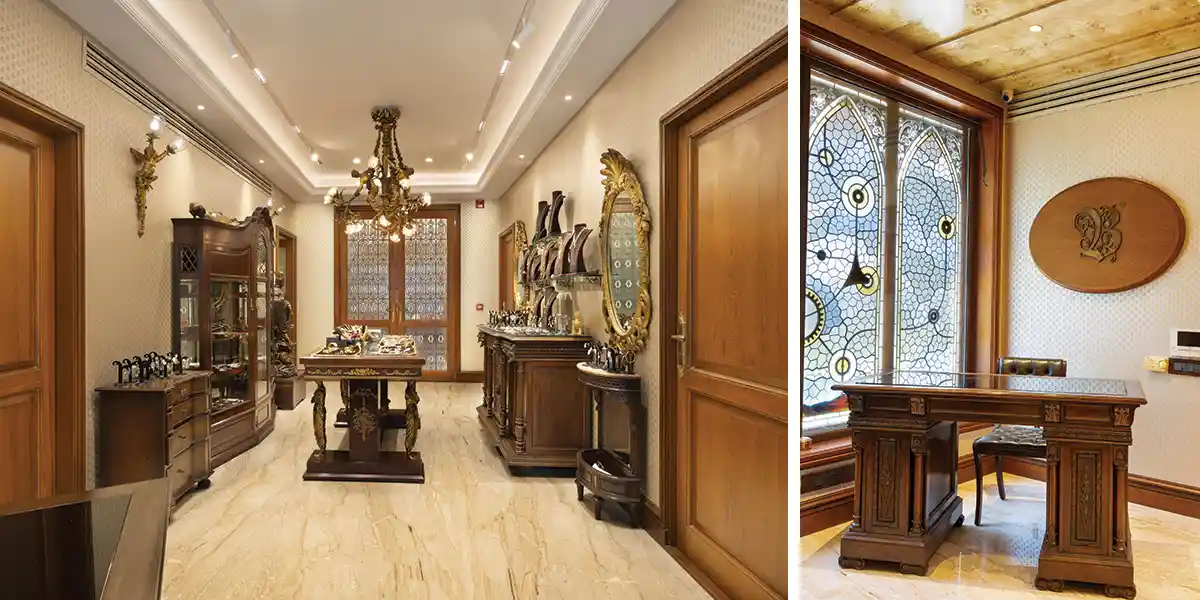
Material responsibility also involves anticipating change. Buildings and interiors are rarely static. Spaces evolve, functions shift, and user needs transform over time. Selecting materials and construction methods that allow for maintenance, repair, and adaptation can significantly reduce future waste. Designing with flexibility in mind ensures that spaces can be updated thoughtfully rather than completely rebuilt.
There is also value in rediscovering traditional wisdom. Across regions, historic architecture responded to climate and resource availability with remarkable efficiency. Local materials were used with purpose, construction methods prioritised longevity, and buildings worked in harmony with their environment. Contemporary design can learn from these principles while applying modern technologies and performance standards.
The future of sustainable design will depend not only on how we build, but also on what we choose to build with. Material responsibility is ultimately about making informed decisions today that contribute to a more resilient and resource-conscious built environment tomorrow.