Dr Harish Tripathi PhD Architecture, M.Ekistics, B.Arch
Principal Architect Arhta New Delhi
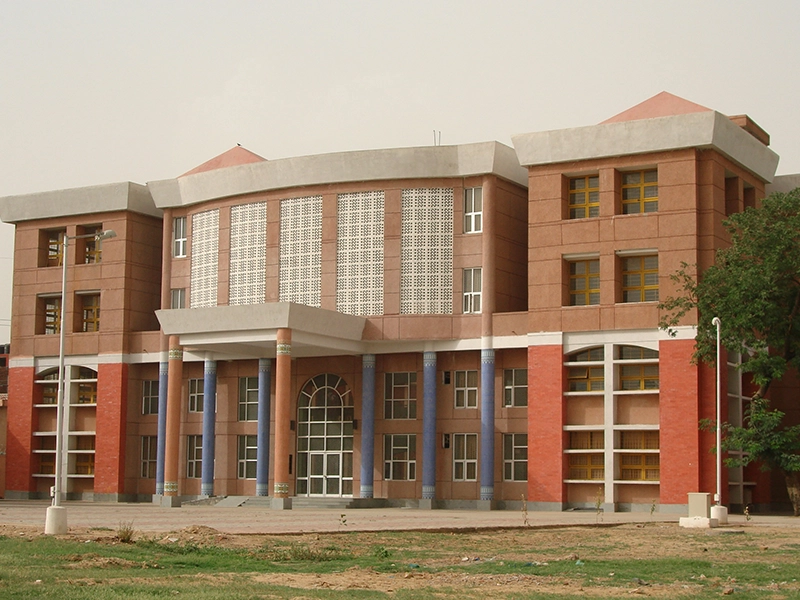
India experiences almost every climatic condition imaginable — from heavy rainfall and deserts to mountains that see snow year-round. Alongside this diversity of climate, we have a diversity of cultures and religions living together. Elements of sustainability are visible everywhere, from grand forts to the humblest village hamlet. This sense of appropriateness extends across every facet of society. You see it in our clothing, food and eating habits, family relationships, agriculture, crop patterns, and even in our social practices. Everything evolved to suit the land, climate, and way of life.
Built environments never failed humanity as long as they remained appropriate. Everything was interwoven — climate, culture, materials, and way of life. Much of this worked smoothly because society was largely agrarian. After industrialization, both globally and in India, large-scale migration began. People moved from villages and small towns to big urban centres, drawn by the promise of growth and opportunity. In the 20th century, post-independence India saw a new class emerge — those serving the government. Many who prospered in these roles also aspired to settle permanently in urban centres, further accelerating urban growth.
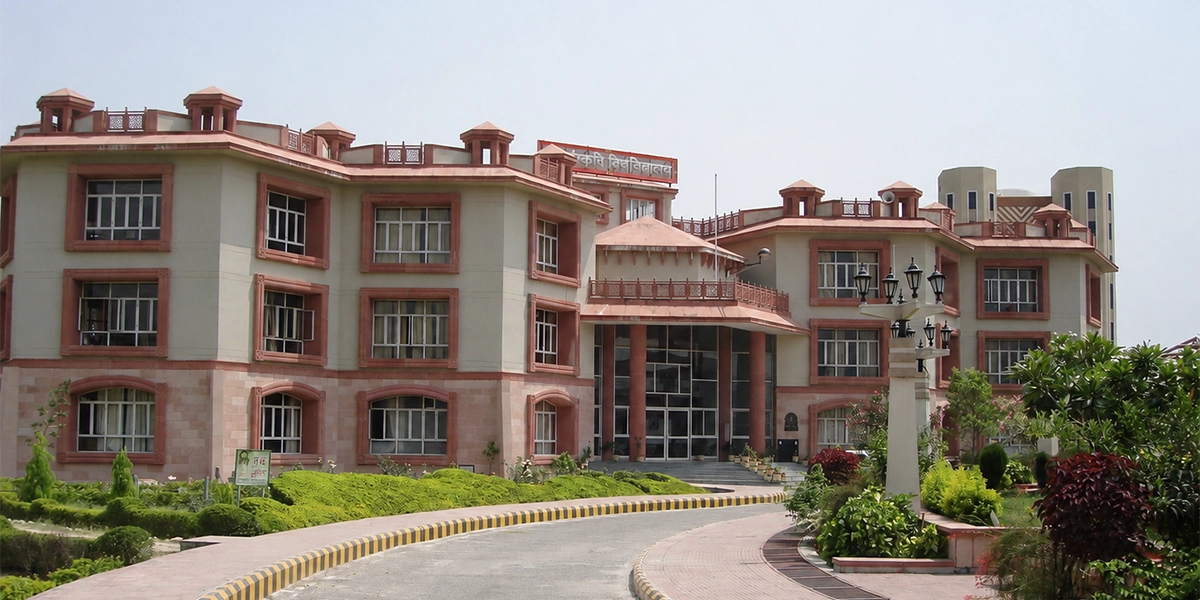
As more people wanted to settle in urban areas, the population in these cities grew. This growth increased the demand for workforce, and cities were able to offer much higher wages compared to rural areas. Higher pay attracted even more people, creating a cycle that accelerated migration to cities in pursuit of better livelihoods and economic opportunity.
Most cities grew and developed organically, without long-term planning. As many people admit, “We never visualized that the demand would grow this much. “As a result, most urban areas are now struggling with crippling infrastructure — be it roads, energy supply, basic amenities, traffic congestion, or overall quality of life.
Real estate has gradually shifted from being a place to live to being an investment instrument. People buy not to inhabit, but to sell later at a profit. The end-user — the person who actually needs a home — has been pushed out of the equation. Today, the entire development model has become profit-oriented, only profit-oriented. The ultimate goal is no longer the well-being and happiness of people.
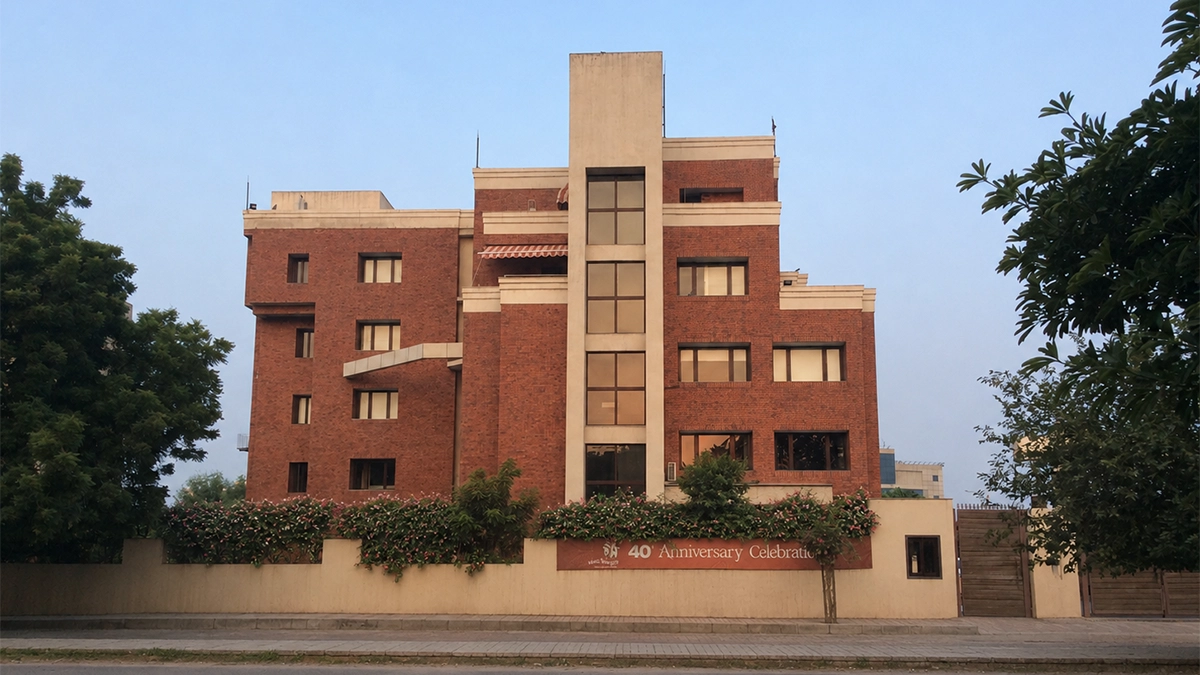
Due to globalization, people can now travel across the world with ease. Many are impressed by Western models of development and by the imagery of Western cities. Glass buildings cropping up all over India are a direct result of this influence. In chasing this aesthetic, suitability to our local climate has taken a back seat.
Many decisions today are driven purely by market conditions. A lot of propaganda, marketing, and even unfair practices are used to promote unsustainable models of development. Some projects artificially inflate demand, then reduce it by just a small percentage to appear “eco-conscious.” It’s a way to show they care for the planet and are following sustainability — without actually changing the core approach.
If we truly examine sustainability with a clear conscience, we’ll see that the ultimate form of sustainability is to not build at all — to let nature remain undisturbed. But since construction is inevitable, the goal should shift to appropriateness. Not building to impress, not building for market trends, but building what is right for the place and its people. That means using materials and techniques suited to the local climate, respecting local culture and craft, and designing with an understanding of how people actually live. Future-ready design must also plan ahead — anticipate needs, build in flexibility, and adapt as the community evolves.
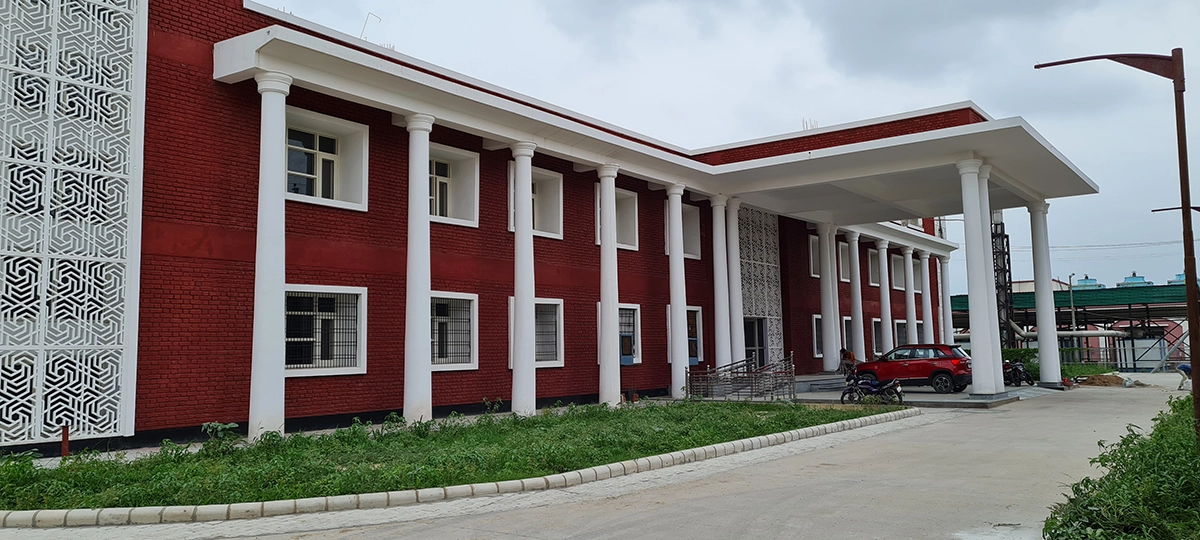
If we are truly serious about “Designing Responsive, Resource-Conscious Built Environments for Sustainability, Ultimate Resilience, and Responsible Development,” then the first step is honesty with ourselves. We must recognize the truth, call out greenwashing, and take moral responsibility for our choices. As professionals, we need to set aside small personal gains. Once our conscience is clear, everything else follows. There’s abundant wisdom available — we just need the clarity to see it. If we think in terms of long-term gains and the well-being of future generations, achieving this goal is absolutely within reach.
Dr. Harish Tripathi is principal architect of ‘Architect Harish Tripathi & Associates’. He completed his graduation in Architecture from Govt. College of Architecture, Lucknow in the year 1993. He completed ‘Masters in Ekistics’ (Science of human settlement) and PhD Architecture (parallel in Ekistics and Vedic Philosophy towards Ideal Human Settlement) from Faculty of Architecture & Ekistics, Jamia Millia Islamia, New Delhi (A Central University). Dr Tripathi has been visiting faculty of ‘Faculty of Architecture & Ekistics, Jamia Millia Islamia, New Delhi (A Central University). He is recipient of numerous awards and his work has been published in various Indian and International publications. He is also a known face in media debates at various news channels.