An interior building material’s usability, performance, aesthetic appeal should be established at the outset of a project to prevent alterations in the design and layout in the construction phase.
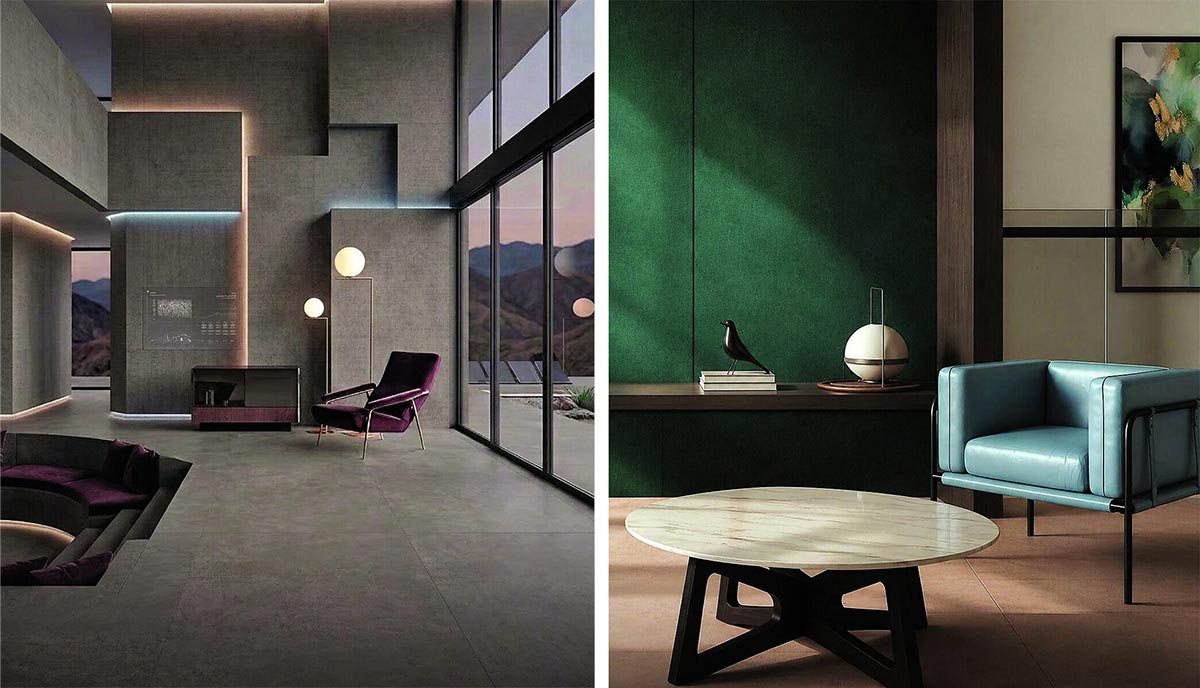
Building materials influence how a space is perceived and experienced. They also ensure the maintenance and lifespan of a building.
In a living space, be it a living room, a kitchen or the bedroom, surface materials are often selected to reflect the owner’s personal space to create an individual style, or for their durability, versatility, hygiene, aesthetic appeal, or even for their eco-friendliness and sustainability.
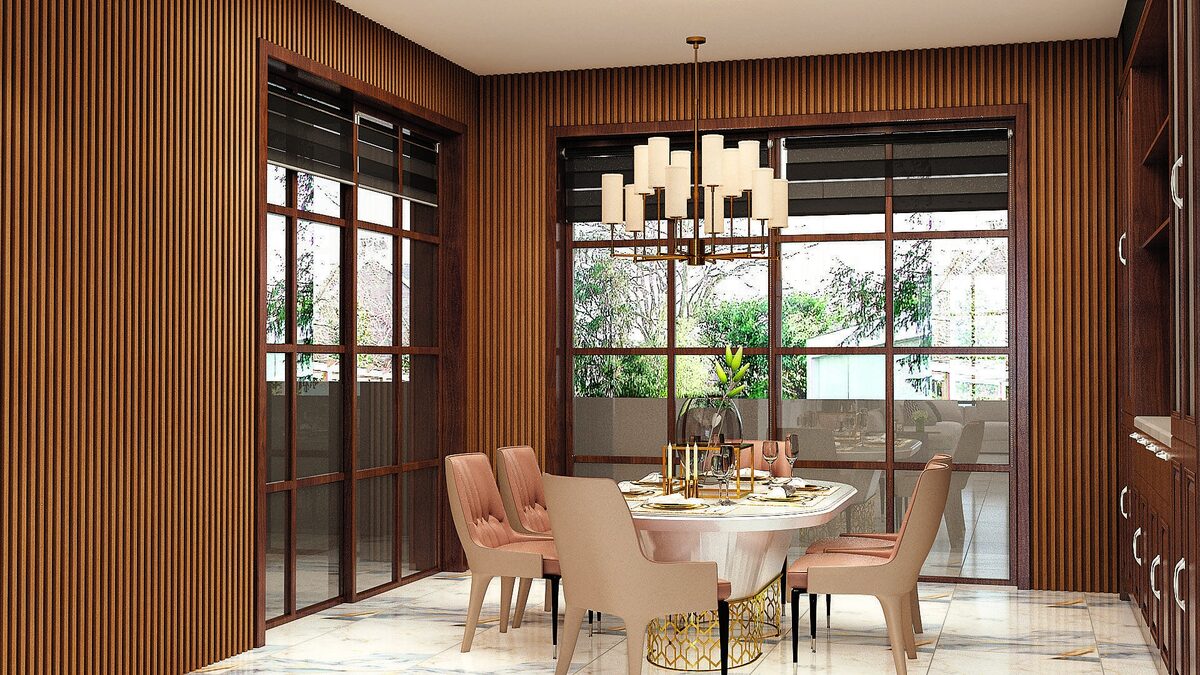
For example, facades, flooring, wall panelling, and kitchen countertops require more robust, stronger and longer lasting materials such as granite, timber, marble, or concrete.Interior designers are therefore keen to establish the individualistic character of a space and its usability and performance with carefully chosen surface materials and finishes, which today, have become more design oriented – beautifying interiors while performing efficiently.
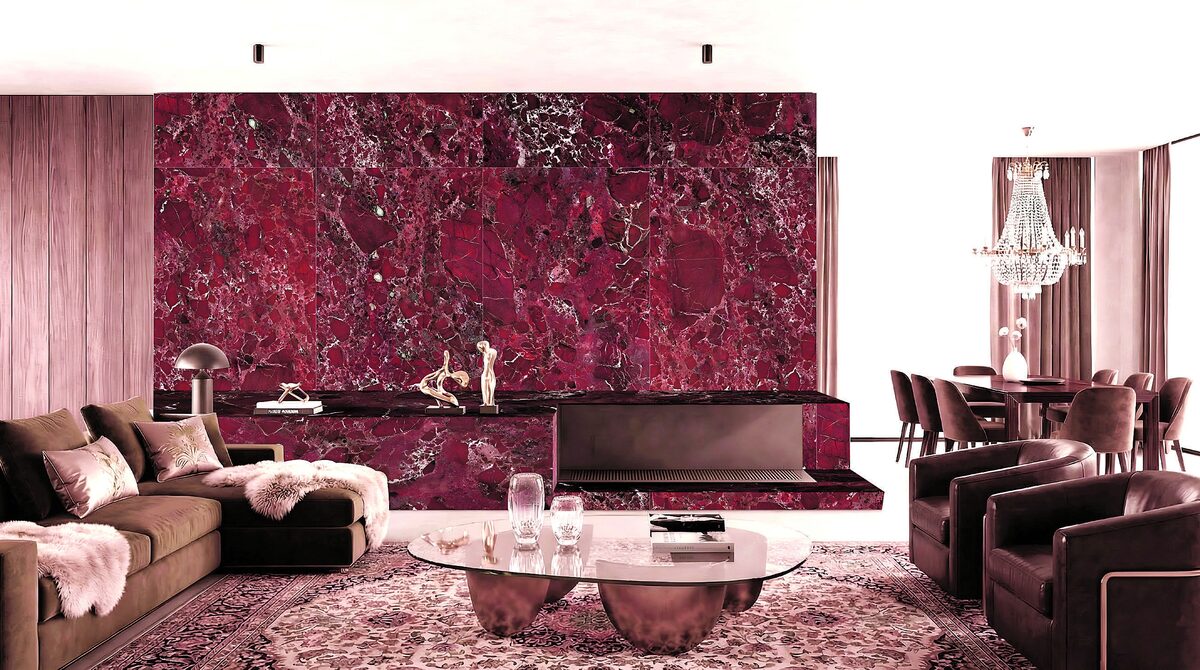
However, while consumers appreciate the design and quality of an interior space, the various materials used to create the interiors often go unnoticed. For material and product manufacturers, collaborating with designers early on at the design stage is crucial, so that the material’s usability, performance, and aesthetic appeal can be established at the outset and not cause disruption in the design and layout of a space later on in the project.
Why Manufacturers Are Influencing Design Decisions: Keshav Bhajanka, CenturyPly
The Return of Material Intelligence: Ar. Sonali Bhagwati, Designplus Architecture
The Shifting Design Conversation: Rajesh Bhandari, A-Class Marble
E3 Group Offering Advanced Surface Solutions: Ajay Garg, Managing Director
Beyond The Surface: Ar. Rajkumar Kumawat, Rajkumar Architects
Experiencing Spaces : Pankaj Sethi, Kajaria Ceramics
Powering India’s Next Phase of Industrial Infrastructure: Vaibhav Goyal, Vishal Colour Roofs