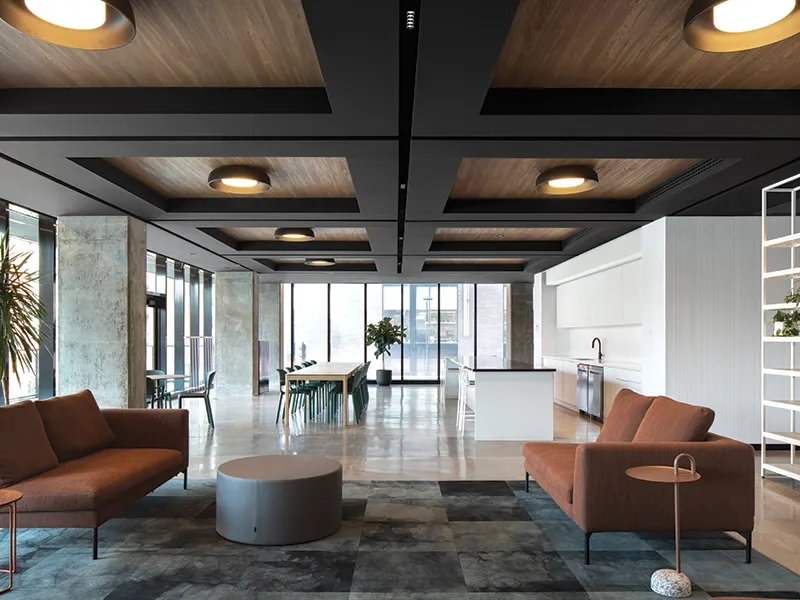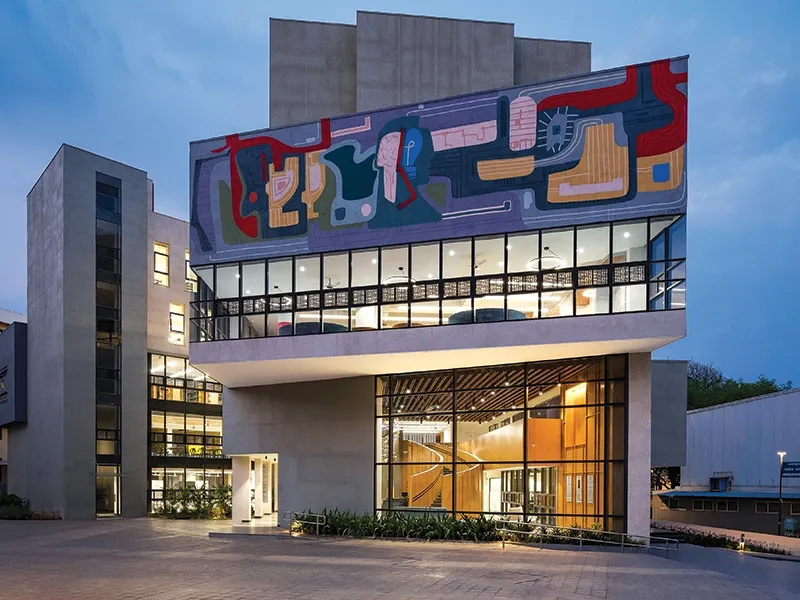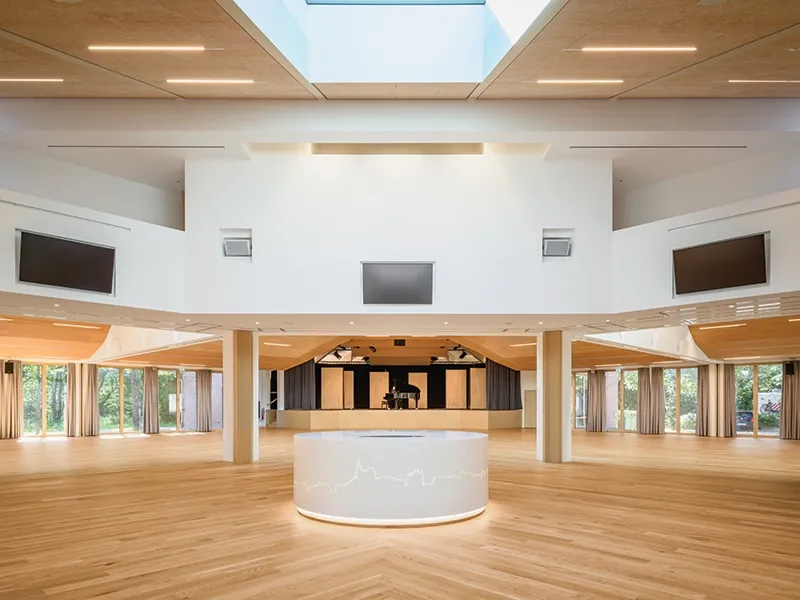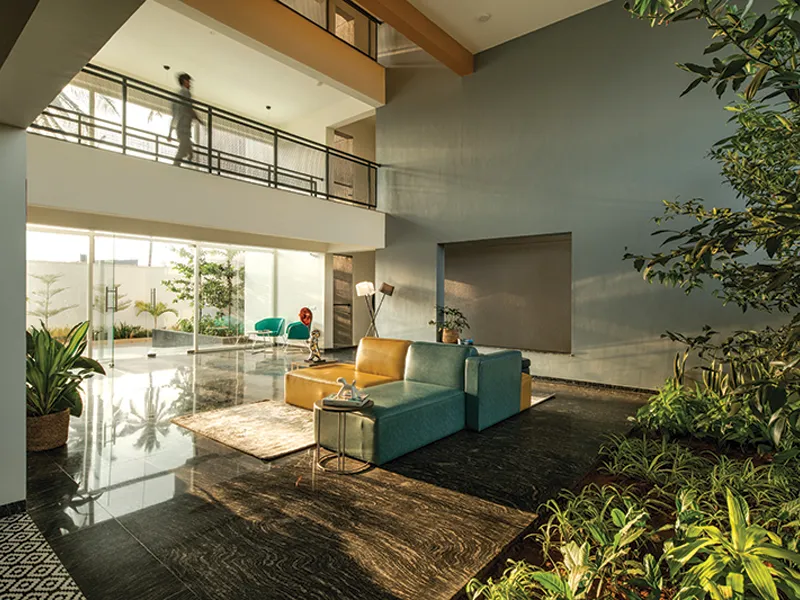
Through a thoughtful integration of materials, this project balances expression and restraint, emerging as a sculptural extension of its context while preserving and celebrating the city’s layered heritage.
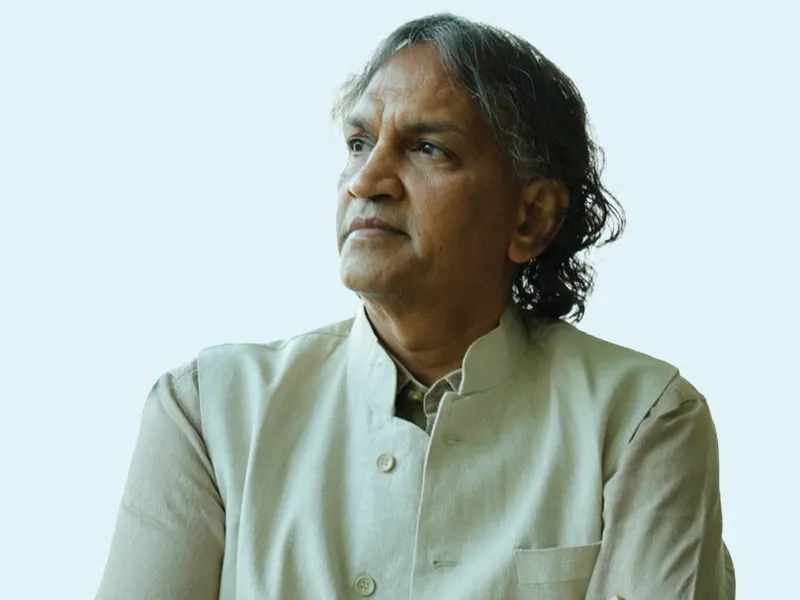
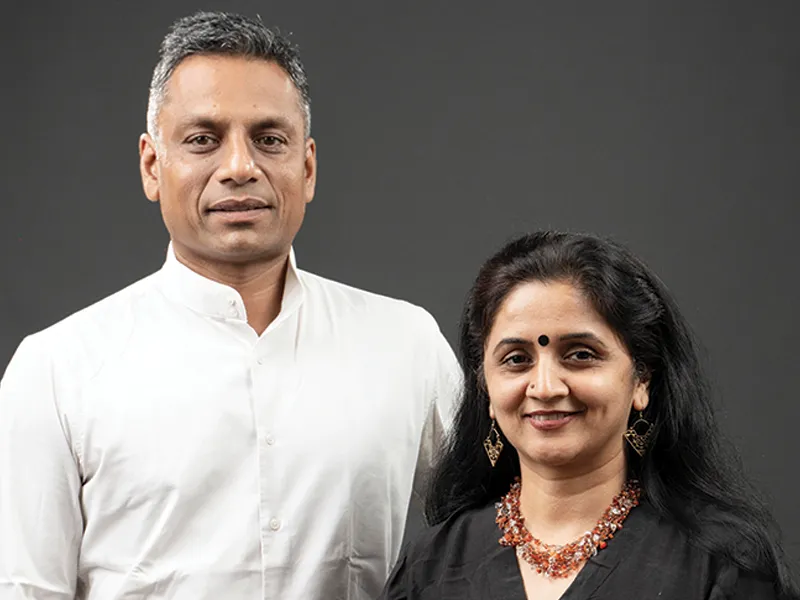
Nishant Goel, Manu Goel
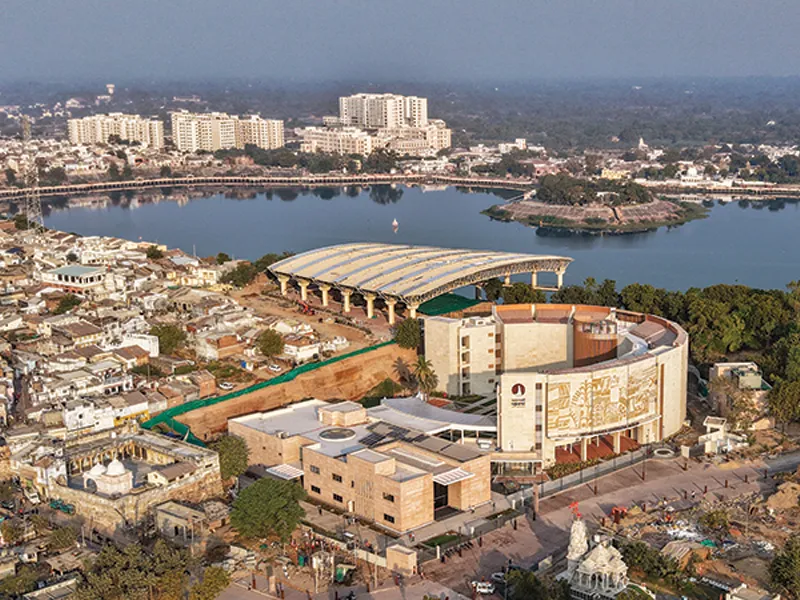
This Museum is conceived as an immersive journey through 2500 years of history, where materiality becomes a key medium of storytelling. Located alongside the historic mud fort wall, the building is planned to maintain a constant visual connection with this significant landmark, allowing the past to remain ever-present in the visitor experience.
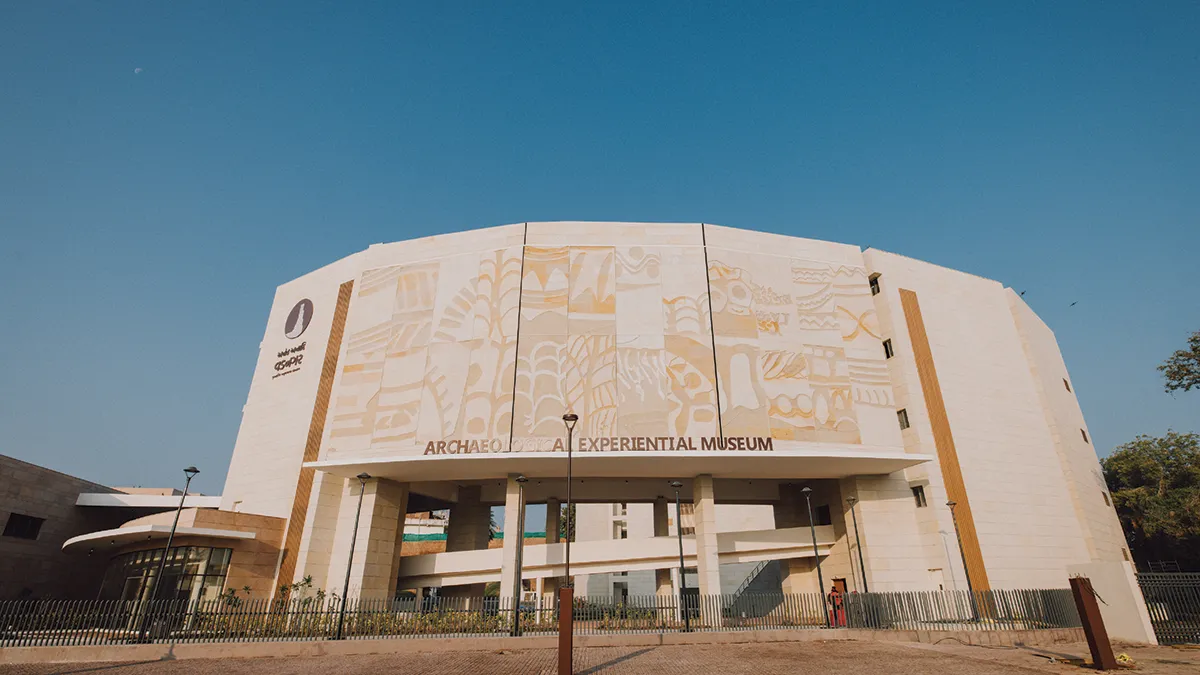
A defining aspect of the project is its façade, where locally sourced stone is used to create intricately carved panels. These panels depict artefact numbers and their corresponding graphics, transforming the exterior into a narrative surface that reflects the Museum’s curatorial intent. The use of local stone not only ensures contextual relevance but also highlights craftsmanship, texture, and durability as essential design drivers.
The building adopts a restrained material and colour palette, relying on natural finishes to harmonize with its surroundings. This deliberate subtlety ensures that the architecture does not overpower the landscape or the adjacent fort wall. Instead, it sits as a sculptural form, quiet yet expressive, thus complementing the rugged, historic character of the site.
Fact File
Location: Vadnagar, Gujarat
Built-up Area: 13500 sqm
Plot Area: 11700 sq m
Collaborators: Meinhardt Consultants, Vibhor Sogani Completion: 2025
Photography: PSP Projects
Sanitaryware & Fittings: Jaquar
Kitchen: Nirali, Jaquar
Flooring (Verified Tiles): Somany
Furniture: HOF
Lighting: Wipro, K-Lite, Signify
Fenestration (Spider Glazing): Dorma
Lift: Thyssenkrupp Elevators
Structurally, the Museum utilizes a concrete framework that allows for large, unobstructed spans, minimizing intervention within the sensitive archaeological zone. This is paired with stone cladding that enhances thermal performance while reinforcing a sense of permanence. A 72-meter column-free metal shed further protects the excavation site, demonstrating the efficiency of steel in achieving wide spans with minimal impact.
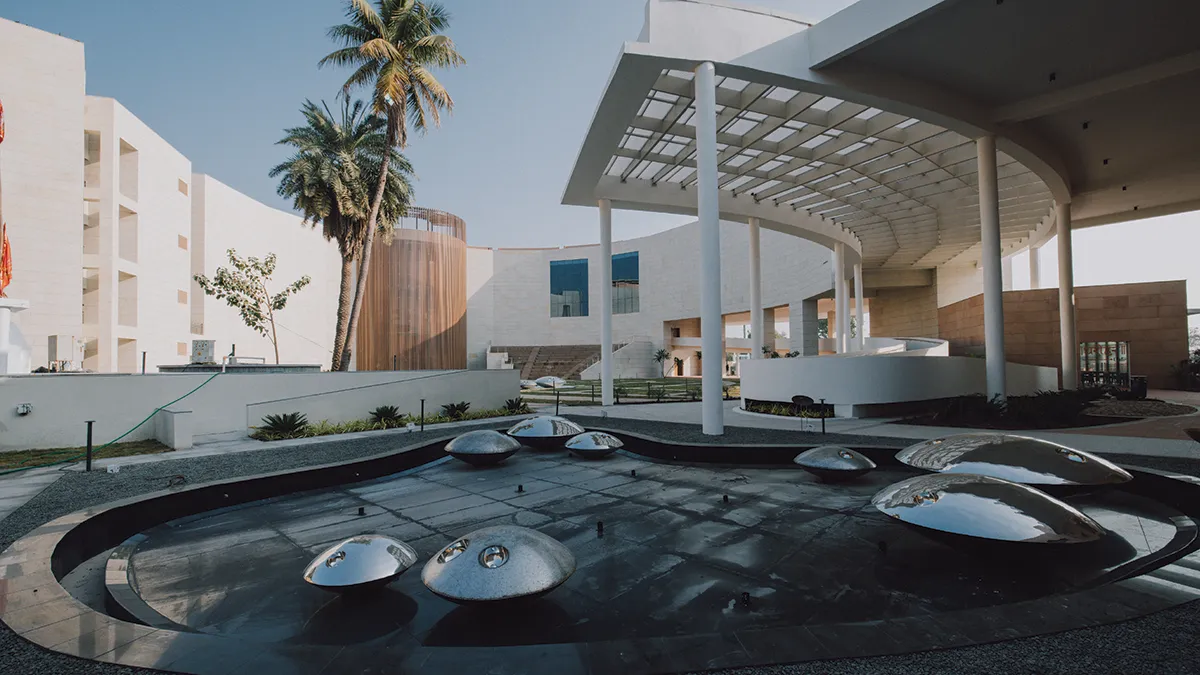
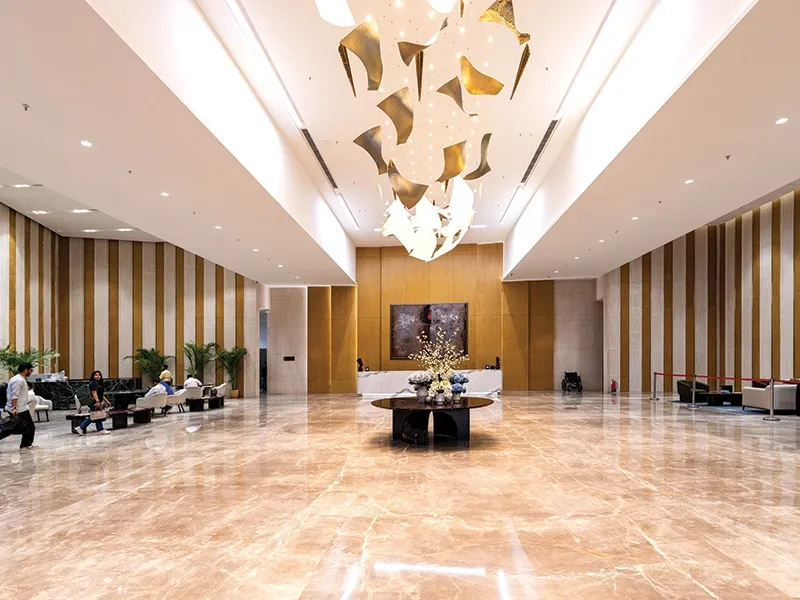
Internally, materials such as reflective steel and stone sculptures, metal, glass, and composites on various surfaces- support interactive and multimedia exhibits, creating an engaging and adaptive environment. A lightweight bridge extends across the excavation, enabling visitors to connect physically and visually with the site.