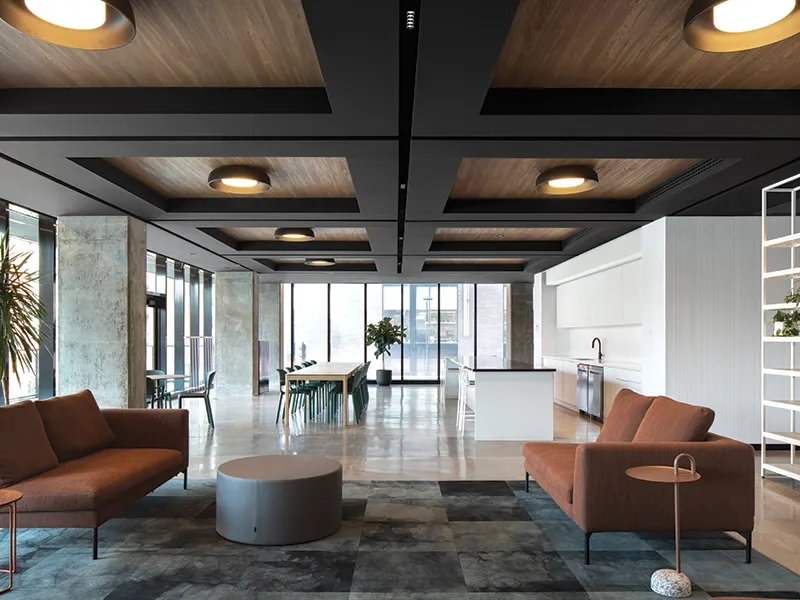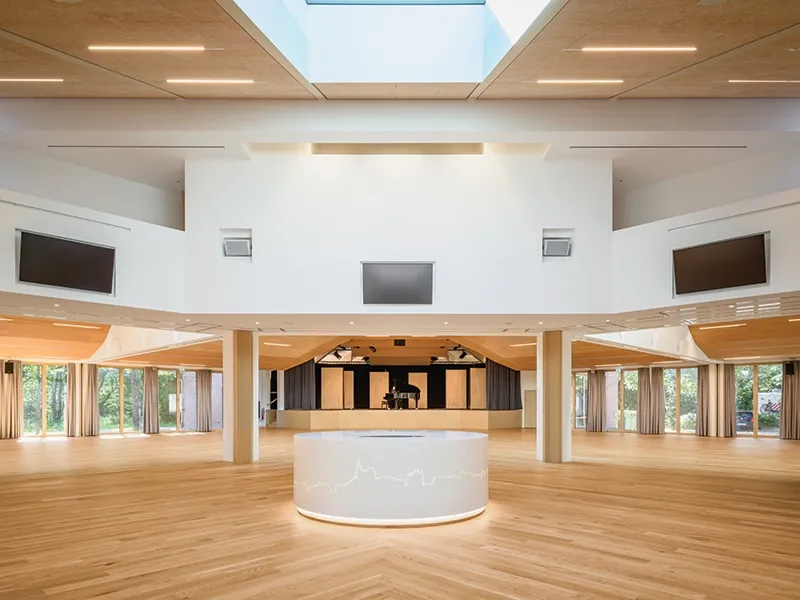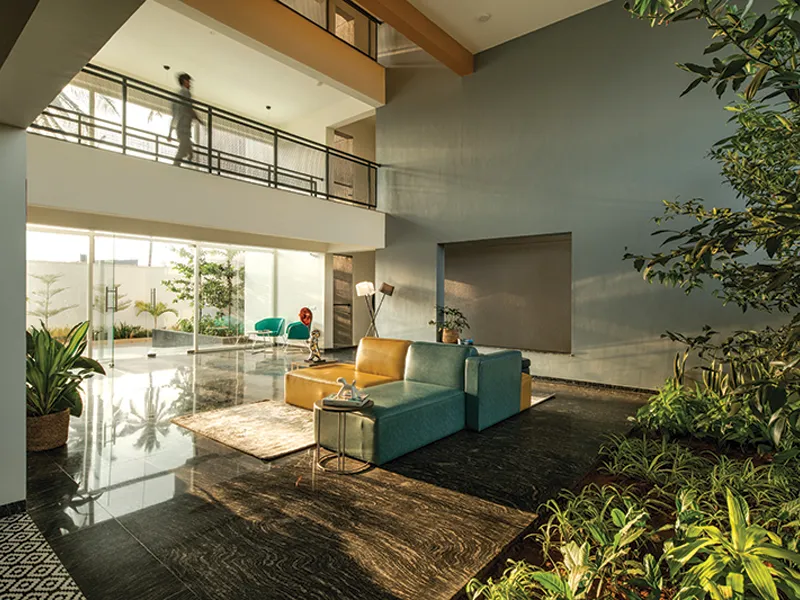
Materials today are no longer passive components. They shape experience, performance, and identity. As architecture and interior design firms evolve, materiality becomes a critical tool in bridging design intent with everyday use.
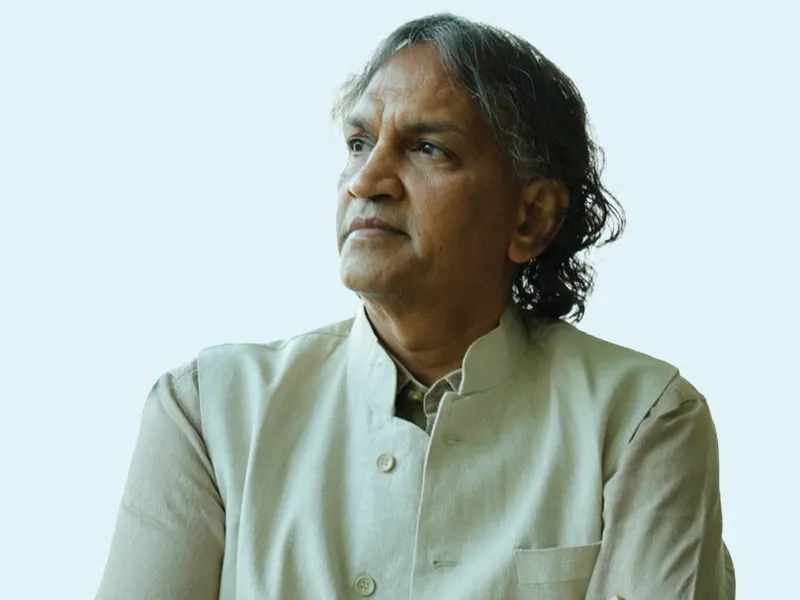
Sonali Bhagwati
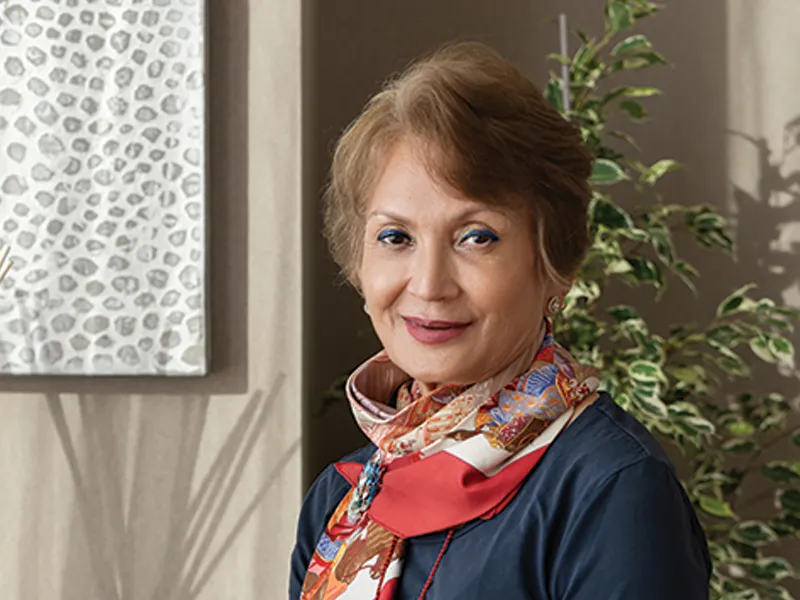
Materials are not an afterthought. They are central to how architecture is imagined, articulated, and experienced. When approached with intent, materiality becomes the thread that connects inside and outside, bringing together visual richness, spatial depth, and performance. For leading architecture firms in India, this reflects a broader shift toward design that is both expressive and responsive.
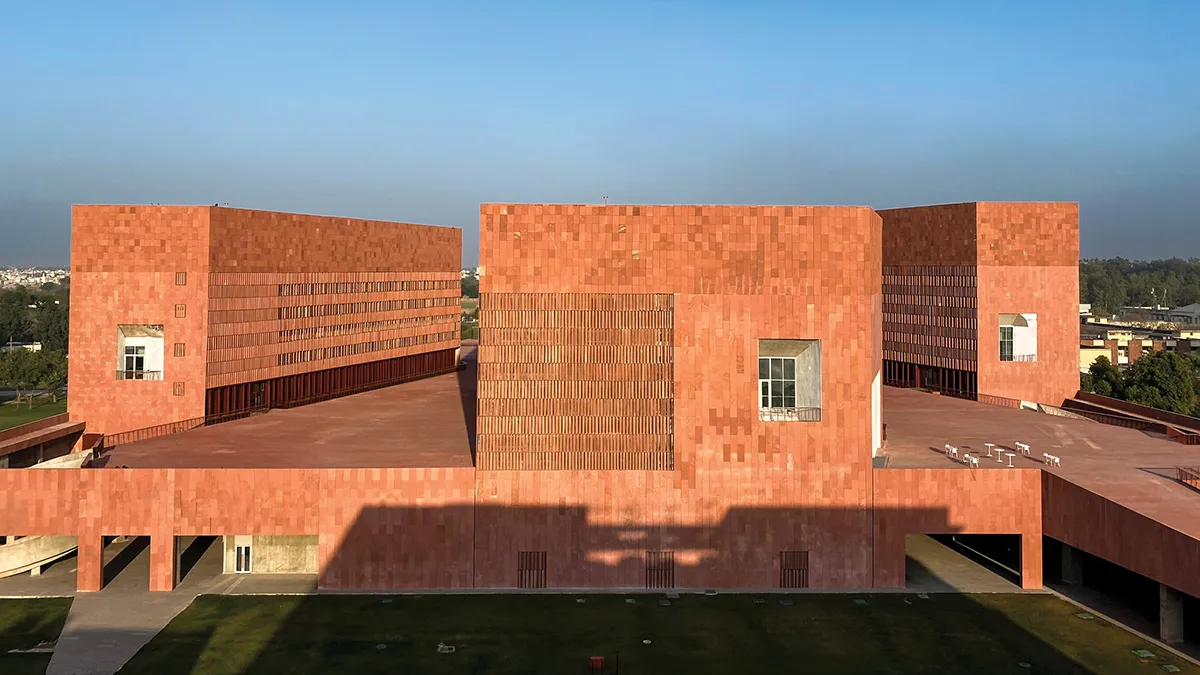
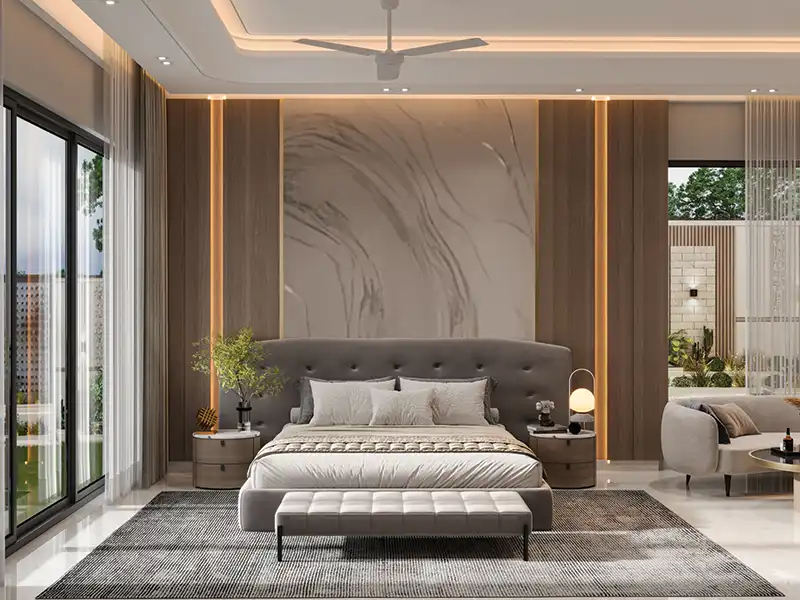
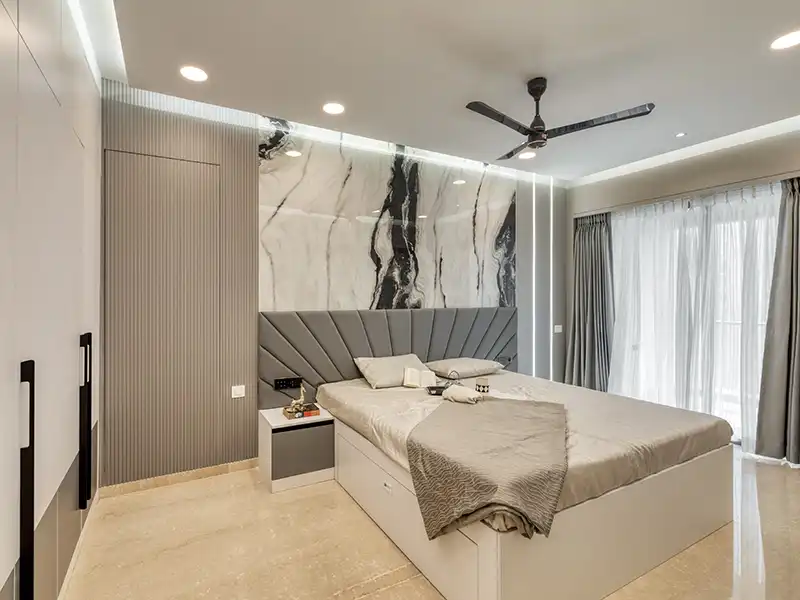
Good design begins with understanding material behaviour. Natural stone brings thermal mass, texture, and permanence. High-performance glass enables openness and light while maintaining environmental comfort. Laminates and metals introduce precision, durability, and adaptability, ensuring spaces remain resilient over time. These decisions go beyond aesthetics, forming an essential part of building materials for construction in contemporary practice.
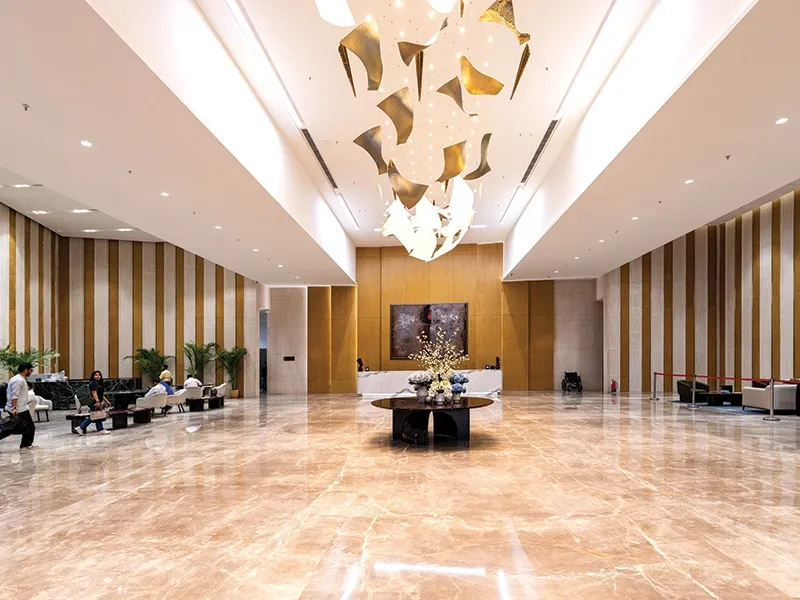
Our approach is reflected in projects where materiality defines clarity, both in residential and hospitality architecture, and reflects a larger direction across institutional architecture firms.
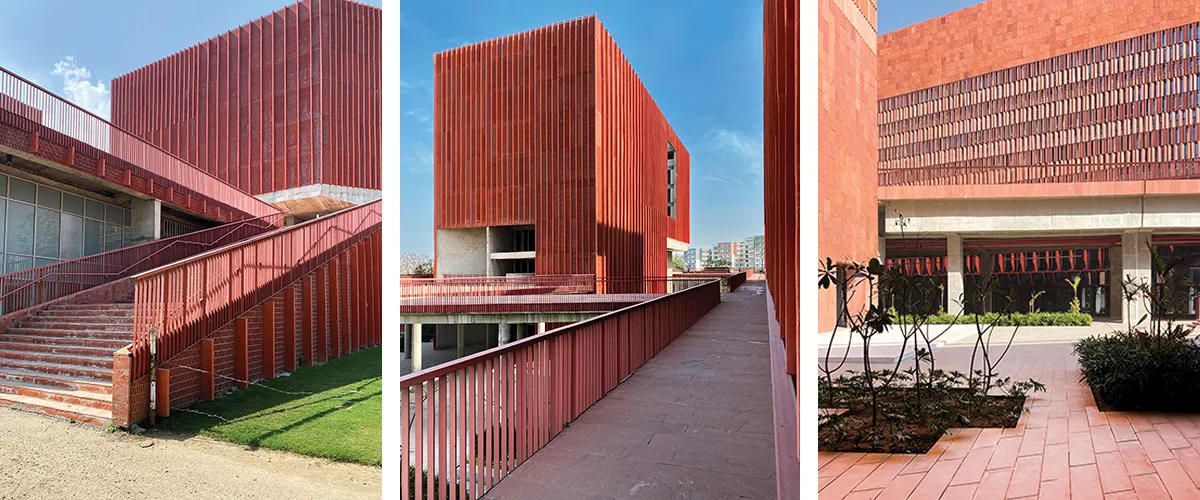
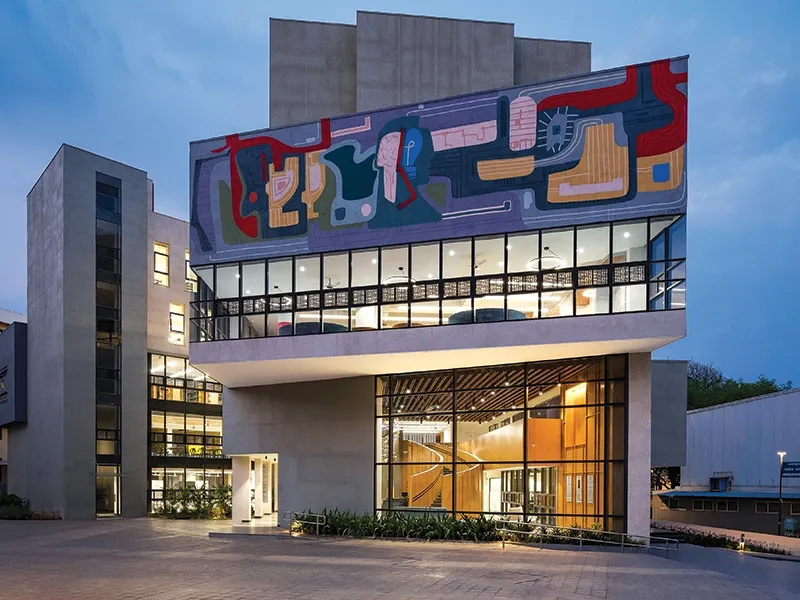
Our project – the Learning Laboratory at Thapar University – engages materials as a medium for interaction and flexibility. Red Agra sandstone and louvred jali screens are integral to the building, supporting collaborative learning while maintaining strong connections to external conditions. The wall panelling is veneer, natural wood, and paint. The façade is of dry-stone cladding, and screens have slats of Agra stone.
Fact File

Location: Patiala, Punjab
Built-up Area: 5,42,000 sq.ft
Collaborator: McCullough Mulvin Architects, Dublin
Photography: Christian Richters
Sanitaryware: Kohler
Flooring: Stone, Forbo
Furniture: Geeken, Maxdeco
Lighting: Cromption
Façade: Agra Stone