Inputs by Romit Savla, Founder & Principal Designer, Soch Design Studio
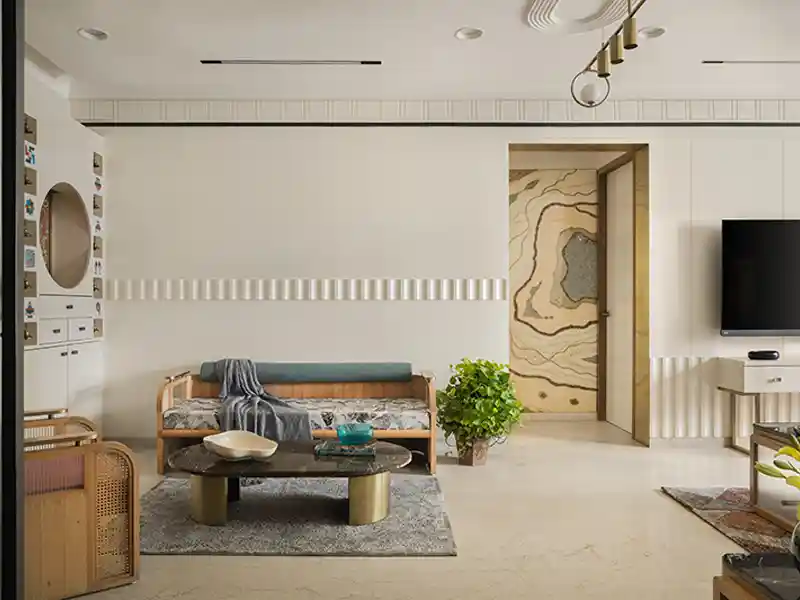
One of the most significant changes in smaller homes is the way space is planned. Instead of clearly divided rooms, designers now focus on fluid layouts that allow spaces to perform multiple roles. Living rooms merge into dining areas, and bedrooms often double up as workspaces. This openness not only improves movement but also allows natural light to travel deeper into the home, making interiors feel larger and less confined.
Storage has also become a central design consideration. In compact homes, clutter can quickly overwhelm a space, so designers are embedding storage into the architecture itself. Beds with concealed drawers, full-height wardrobes, and built-in units that blend seamlessly with walls help keep essentials out of sight. When storage is planned early, it reduces the need for bulky furniture and maintains visual calm within the home.
Material and colour choices play an equally important role. Lighter tones, warm neutrals, and natural finishes help create an airy atmosphere without making the space feel cold or clinical. Reflective surfaces, such as glass or subtle polished finishes, enhance light without overpowering the room. These choices are not about following trends but about ensuring comfort and longevity in everyday living.
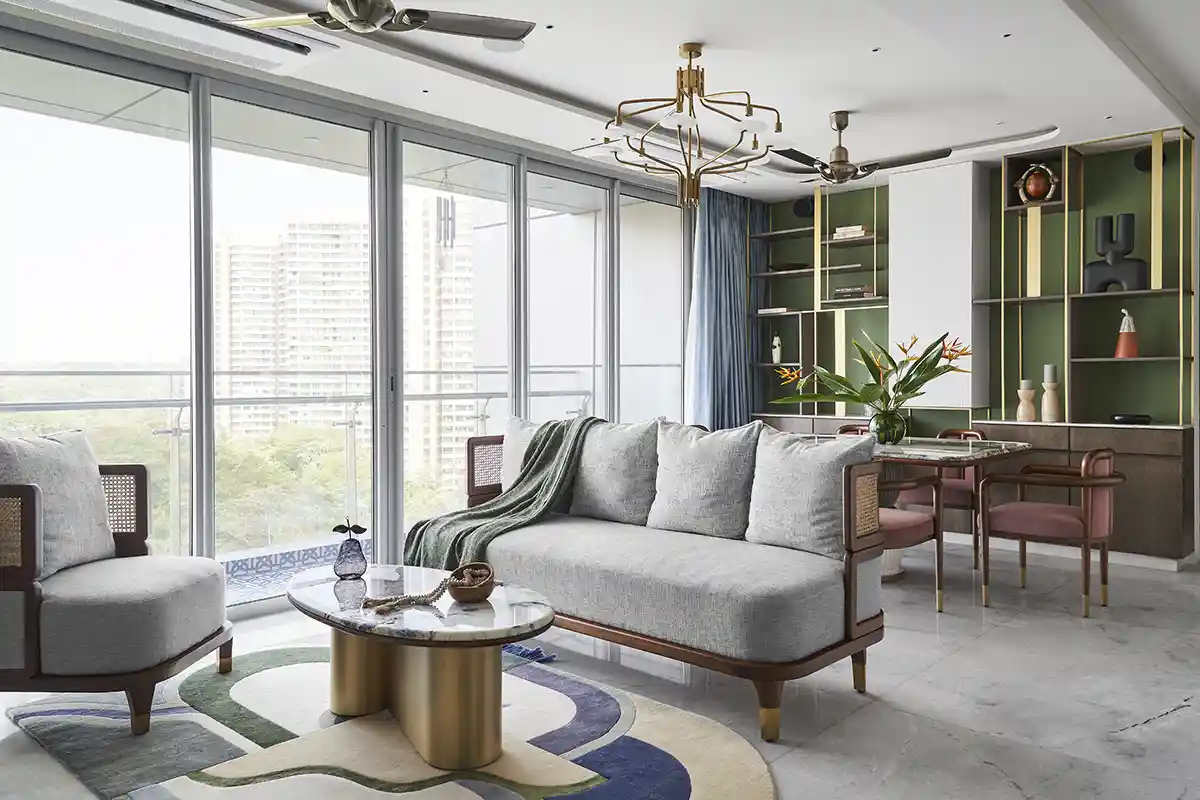
Furniture design has evolved to suit smaller footprints as well. Oversized pieces are being replaced with compact, well-proportioned furniture that serves more than one purpose. Sofas with slim profiles, extendable dining tables, and modular seating allow residents to adapt their homes based on daily needs or social gatherings. This flexibility ensures that the home remains functional without feeling over-designed.
Finally, thoughtful lighting has become a quiet yet powerful tool in small-home design. Layered lighting—combining ambient, task, and accent sources—helps define zones without physical partitions. Warm lighting adds depth and softness, while focused lights improve usability in work and kitchen areas. When lighting is carefully planned, even the smallest home can feel well-balanced and welcoming.
In addressing India’s space crunch, interior design is no longer just about aesthetics. It has become a discipline rooted in practicality, empathy, and adaptability—shaping homes that support modern lifestyles while making limited spaces feel generous and complete.