Aditya Yamsanwar, Director, Team one Architects (TOA), shares his observations on the transformative role of architectural design in shaping organizational culture, driving business performance, and enhancing user experience.
The role of design has expanded significantly, moving beyond aesthetic or functional concerns to become integral to business performance, organizational culture, and user experience. This evolution has transformed architectural design firms from mere service providers into ecosystem partners, actively involved in shaping business outcomes throughout an organization’s development. A comprehensive shift, the trend, underscores the growing recognition of design as a core business strategy and infrastructure.Evolution of Design as a Core Business Strategy
Design has evolved from solely focusing on visual or functional aspects to becoming deeply intertwined with business performance, culture, and user experience. This expanded role means that design engagements no longer conclude at the start of construction but instead begin with strategic planning. The aim is to create spaces that promote agility, attract talent, enhance productivity, and support sustainability goals.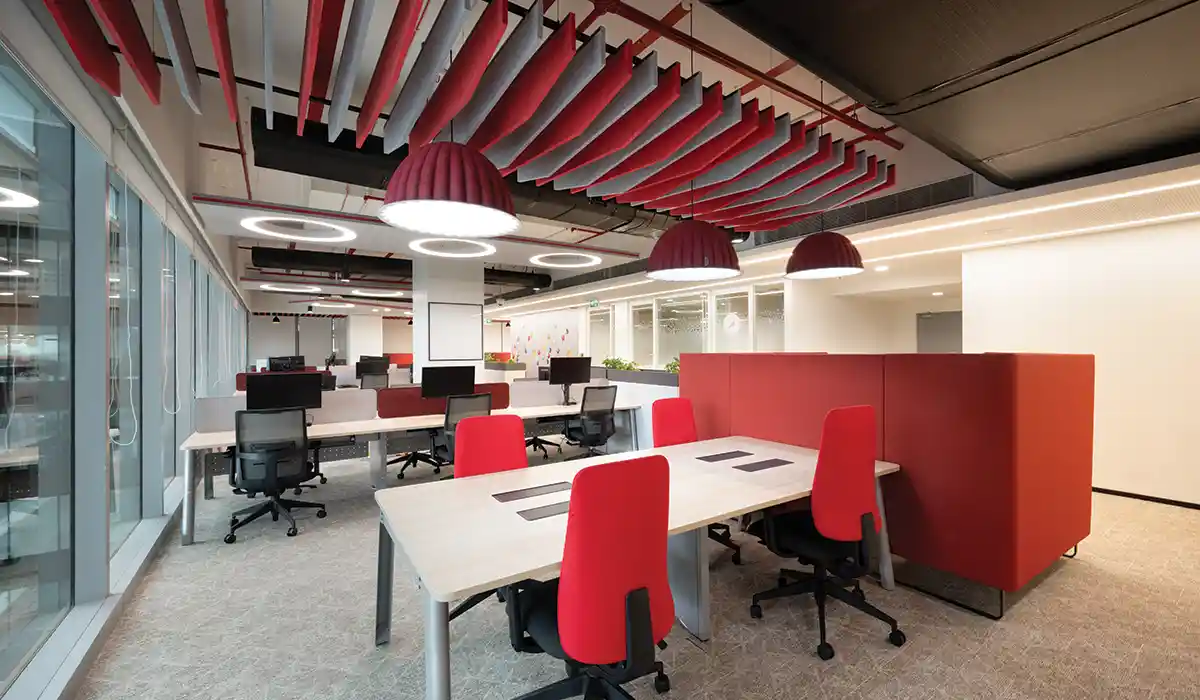
This transformation positions architects as co-owners of business outcomes, collaborating across the entire lifecycle of an organization’s evolution. Research indicates that design-led companies have consistently outperformed the S&P by a significant margin over the past decade, demonstrating a clear stock market advantage.
Workspaces have evolved from mere functional structures into strategic business infrastructure, reflecting brand identity and fostering collaboration, underscored by the increasing involvement of design in strategic planning, real estate strategy, and long-term organizational outcomes.
Aditya Yamsanwar

Design as Business Infrastructure
Workspaces are no longer merely cost centers but are now considered enablers of growth. The design of an environment directly influences collaboration, team movement, and the scaling of company culture. For example, a well-designed IT infrastructure supports efficient communication, secure data storage, and seamless technology integration, while also enabling future advancements.Furthermore, a strong correlation has been identified between high design management index (MDI) scores and superior business performance, highlighting the impact of design on financial outcomes. Companies that embed design thinking into their digital customer experience strategies achieve tangible business benefits.
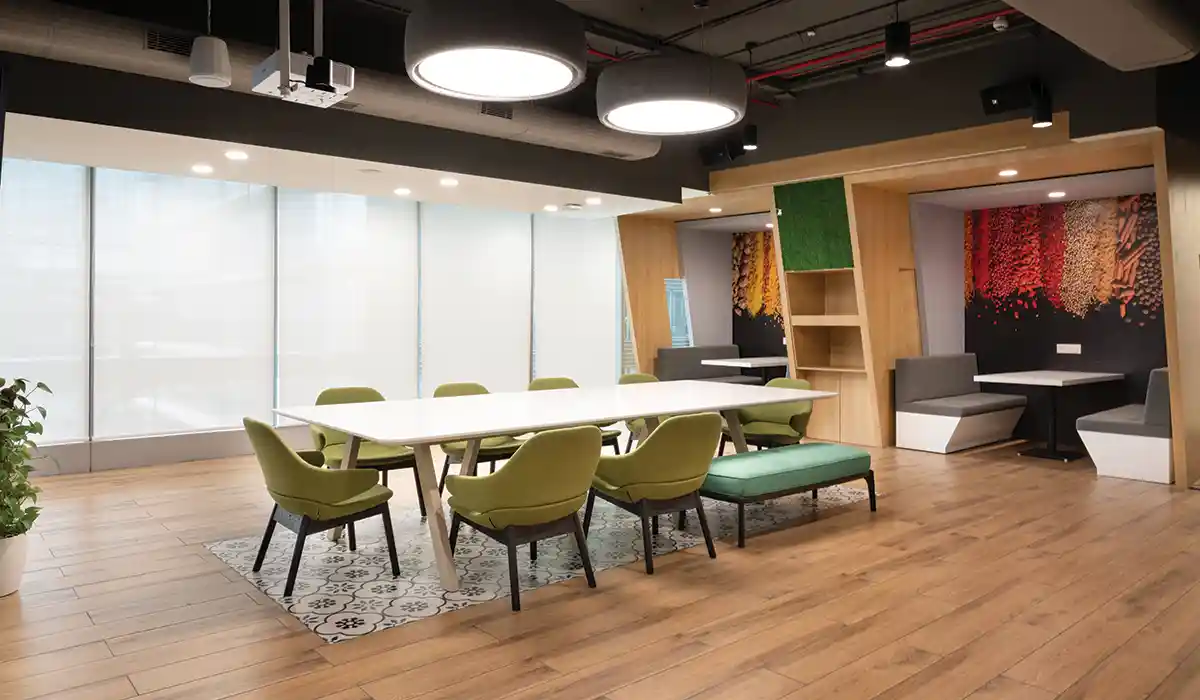
Designers are increasingly involved in real estate strategy discussions, acknowledging the strategic value of real estate and workplace design. High-quality design enhances property attractiveness and meets modern consumer needs and regulatory requirements. Strategic approaches to real estate ensure that every stage, from land entitlement to estate management, aligns with market realities and long-term planning goals. The prices of real estate at the planning and design stages also influence subsequent project outcomes.
The core principle is the seamless integration of a company’s brand identity into the architectural design. Architecture serves as a powerful tool for communicating brand values, culture, and mission. For Fortune 500 clients, this might involve creating landmark “signature buildings” that embody their stature and legacy. For startups, the architecture can reflect their innovative spirit and unique culture, establishing a memorable presence.
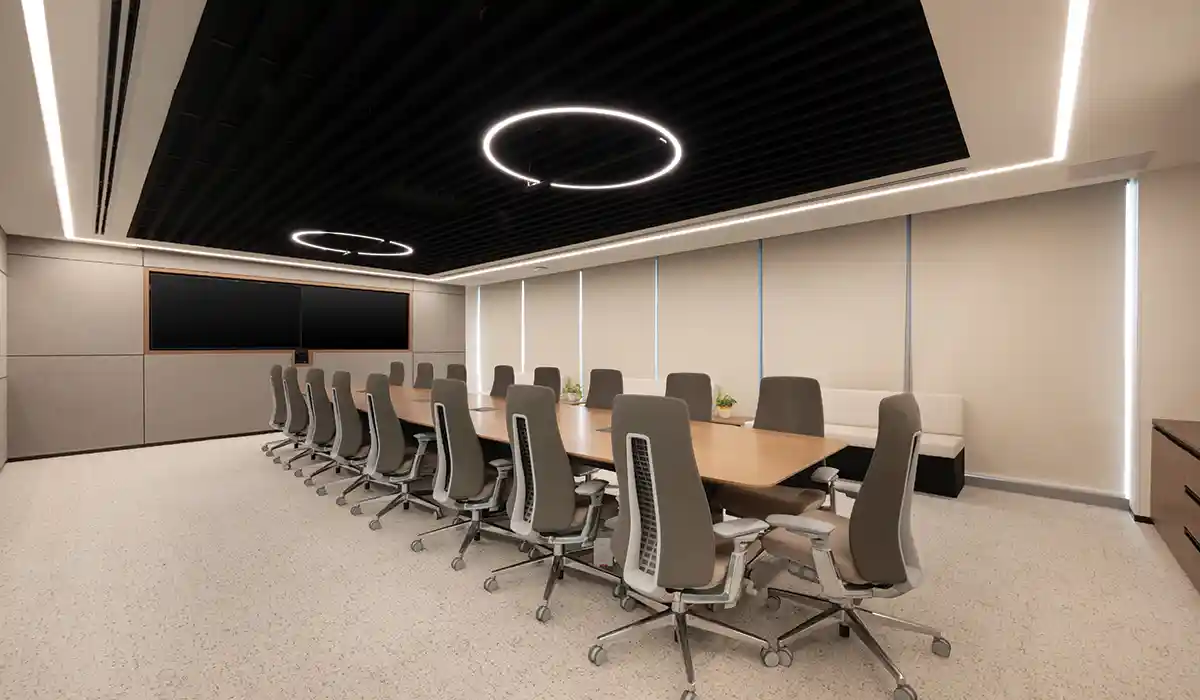
We consider how the structure, form, materials, and spatial organization can tell a brand’s story, create memorable experiences, and attract talent. This holistic approach ensures that the built environment is not merely a physical structure but a strategic component that reinforces brand messaging and supports organizational goals.
Collaboration as Core
The design ecosystem is evolving to include diverse fields such as data analytics, sustainability science, and behavioral research. This collaborative model integrates technologists, HR strategists, and community designers, ensuring that design outcomes are not isolated but rather dynamic systems that adapt with business evolution.The convergence of design and business is critical, with design strategy serving as a bridge between business strategy, strategic planning, design thinking, and design principles. The integration of industrial design into the product development process, however, is not unconditionally impactful, but rather dependent on industry evolution and design management.