Kumar Varma, Founder BeyondColor suggests solutions to beat the growing heat and weariness toward synthetic paints and which do not make the air and walls toxic.
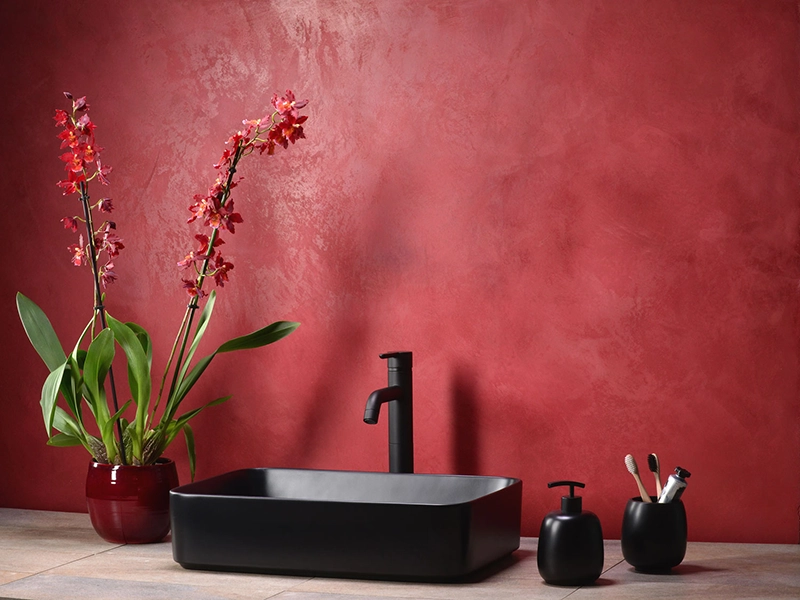
My concern isn't aesthetic, though the visual fatigue with flat, painted surfaces is real and growing. My deeper interest lies in material behaviour, how a surface ages, breathes, and interacts with the environment it inhabits. People are beginning to notice that their walls sweat, that paint peels within three years, that there's a persistent staleness indoors. That's not a maintenance problem. That's a materials problem.
So what does a better solution actually look like? Here is what I've come to understand after decades of working with surfaces:
Let the wall breathe. Lime plaster is naturally alkaline, antimicrobial, and moisture-regulating. Unlike synthetic emulsions that seal the wall entirely, lime allows vapour exchange, which means less condensation, less mould, and a healthier indoor environment over time.
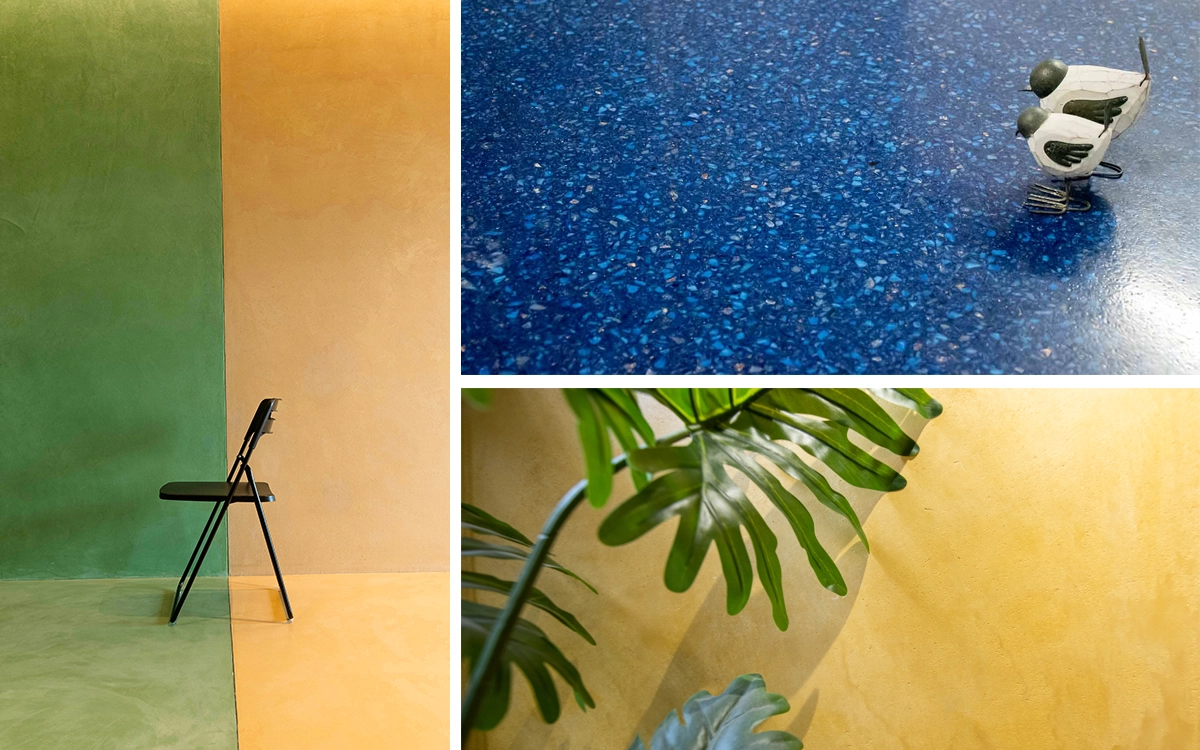
Choose materials that improve with age. Lime carbonates over time, becoming harder and more stable. Tadelakt develops a natural patina. These are not design trends but material behaviours that synthetic paints were simply never engineered to replicate.
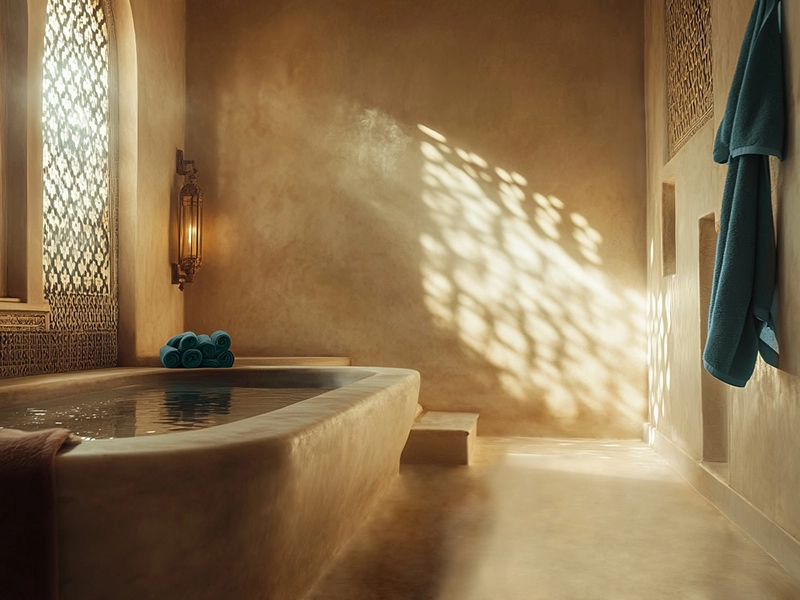
Work with materials, not catalogues. At BeyondColor, we start with authentic raw materials sourced directly and engineer them in-house for each project. The finish is developed around the design intent, the building typology, and the environmental conditions of the site, rather than being selected from a pre-set range. Surfaces should evolve in response to the requirements of the space, climate, and architecture they serve. That distinction changes everything about the outcome.
Invest in craft and execution. The best material in the wrong hands performs poorly. Lime plasters, microtoppings, and tadelakt require trained application. The execution is as much a part of the solution as the material itself.
The shift I'm observing among architects and serious design clients is less about aesthetics and more about accountability. Designers today are asking where materials come from, how they perform over time, and whether they contribute positively to occupant well-being. The conversation has matured. And the materials have always been ready for it.
The visual fatigue with flat, painted surfaces is growing. People are beginning to notice that their walls sweat, that paint peels within three years, and there's a staleness indoors. It’s not a maintenance problem; it's a material problem.