By embedding waste-reduction principles into the design process, architects can help minimize the environmental impact, lower construction costs, and conserve resources.
Neha Bhasin - Architect, Pramana Design Studio

The construction industry is one of the largest contributors to global waste, with a large portion of that waste accumulating from poor material management and inefficient building construction practices. However, certain design techniques can help reduce construction waste and materials, and use them creatively and sustainably.
At Pramana Design Studio, we are implementing various techniques like the Six Sigma rule, the Pyramid rule, use of Modular and Prefabricated elements, efficient space planning, integrating BIM, etc.
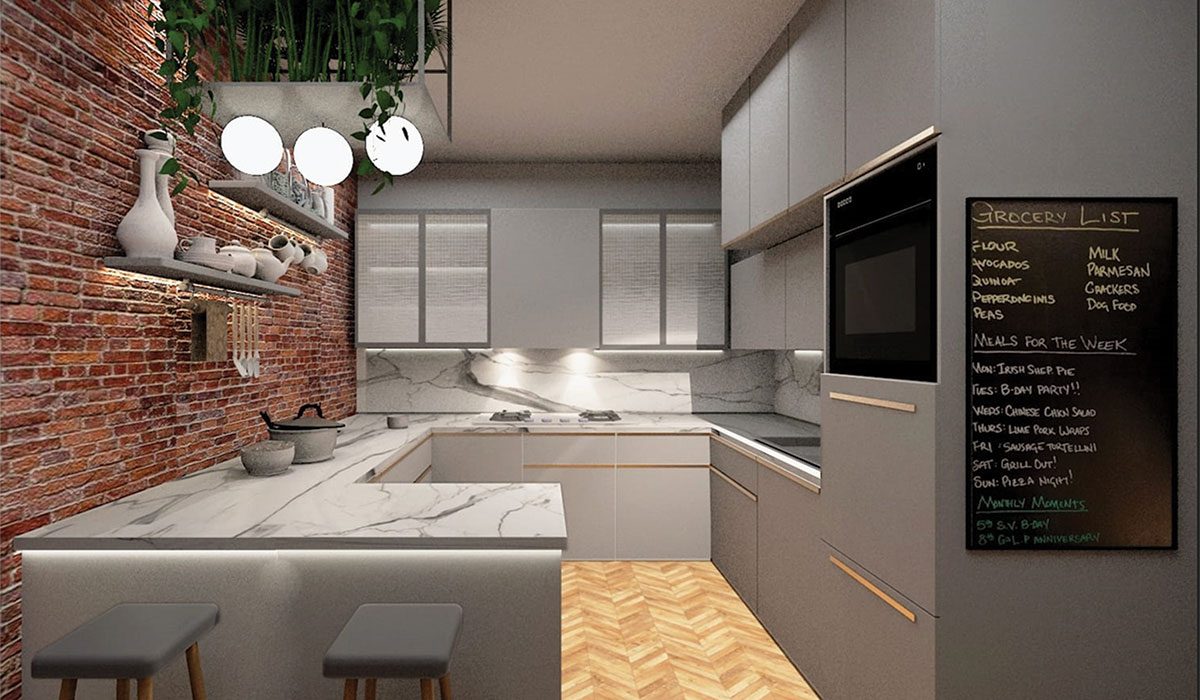
At the 6500 sqft residence we designed in Ghaziabad, Uttar Pradesh, the project follows the Six Sigma design. To achieve sustainability, we opted for energy-efficient concepts, and materials that cause minimum damage to the environment, require minimum energy to get manufactured, are recyclable and reusable, and can be easily extracted from nature. We used materials that were easy to maintain and clean. We chose manufacturers that promote eco-friendly processes and procedures. The waste disposal of these materials was easily provided to the Nagar Nigam to recycle and make compost.
We refurbished many old items and converted them into multi-purpose furniture pieces and decorations. Proper planning of windows and glass walls reduced the need for artificial lighting. We have used low-maintenance materials which are also non-toxic like low VOC paints and coatings, a mix of bamboo with cane, and air-purifying indoor plants.