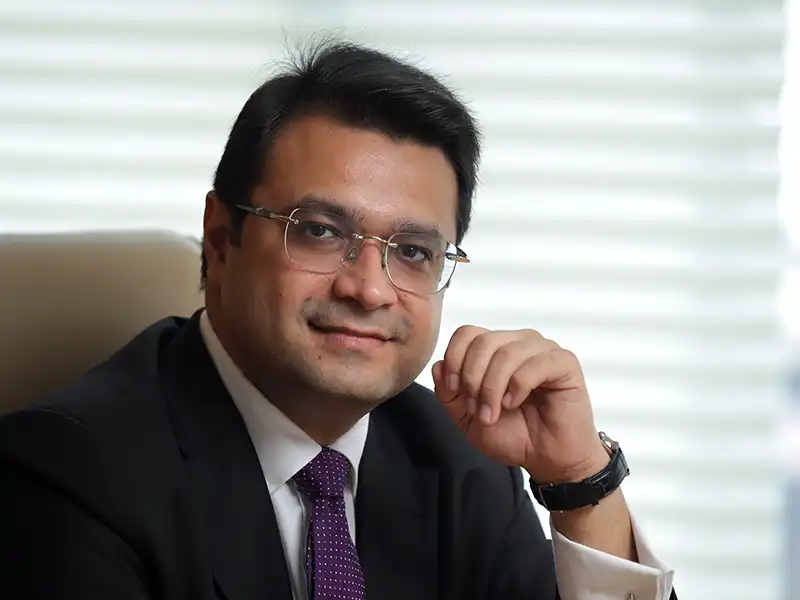
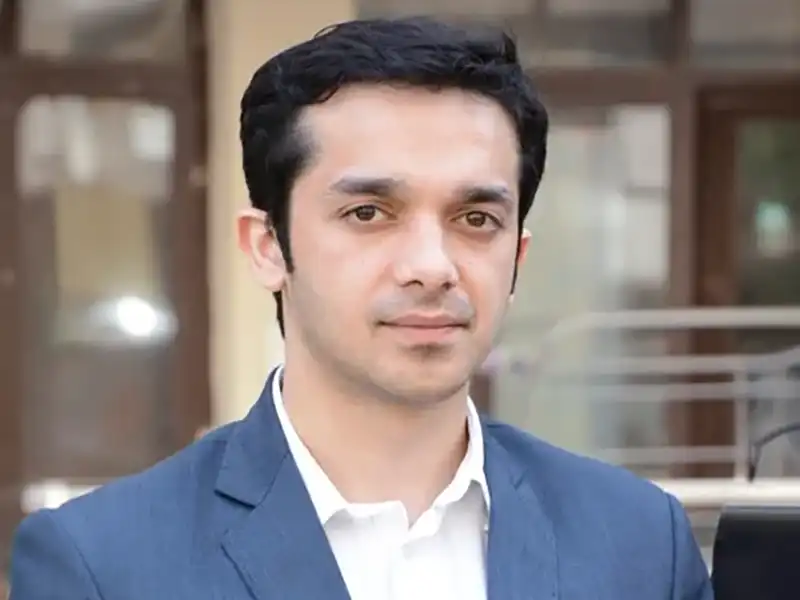
By Akshay Taneja, CEO, TDI Infrastructure
India's urban transformation is no longer defined by the speed at which cities expand, but by how intelligently they grow. With over 800 million Indians expected to live in urban centres by 2050, according to the United Nations, the challenge is no longer limited to creating housing stock. It is about creating neighbourhoods that remain liveable, resilient and connected as cities continue to evolve.
As Indian cities expand into new growth corridors, this approach is becoming increasingly unsustainable. The future of residential architecture lies in designing places where infrastructure, mobility, sustainability and community evolve together. This is where master-planned townships are reshaping the urban landscape. For decades, urban development largely followed a fragmented model. Residential projects came up first, while roads, schools, healthcare, parks and public infrastructure followed years later. This disconnect has contributed to congestion, inadequate civic services and neighbourhoods that function as isolated residential pockets rather than complete communities.
Architecture beyond the Building
Residential architecture is no longer confined to the design of individual homes. Increasingly, it is about designing the ecosystem around them. The value of a home is shaped as much by its surroundings as by its architecture. Walkable streets, accessible schools, healthcare, public spaces, workplaces and efficient mobility collectively define the quality of urban life. Master-planned townships acknowledge this reality by integrating these elements from the outset rather than treating them as later additions.This represents a shift in thinking, from building projects to creating communities. Roads, utilities, social infrastructure, retail and green spaces are conceived together, allowing neighbourhoods to function as complete urban environments from day one. For developers, the role is evolving beyond constructing homes to shaping the foundations of future cities.
Designing for People, not just Density
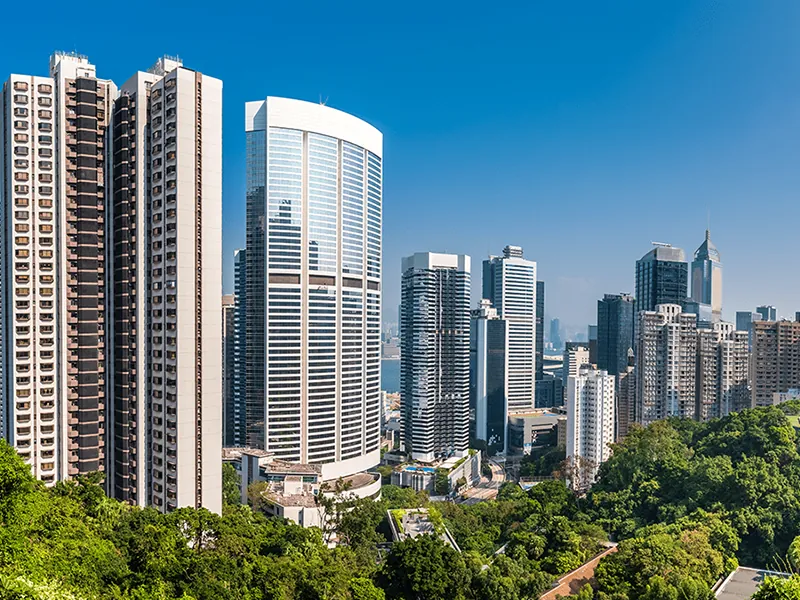
The success of a city is measured less by the height of its skyline than by the quality of everyday life it offers. Master-planned townships place people at the centre of design. Mixed-use neighbourhoods reduce dependence on long commutes by bringing essential services closer to where people live. Schools, healthcare facilities, retail centres and recreational spaces are planned within convenient distances, encouraging walkability and stronger community interaction.Equally important is the renewed emphasis on public spaces. Parks, landscaped boulevards and pedestrian-friendly streets are no longer lifestyle additions as they are essential urban infrastructure that promotes well-being, social engagement and a stronger sense of place. The architecture of tomorrow will be judged not only by iconic buildings, but by the experiences created between them.
Sustainability begins with Planning
Climate resilience is rapidly becoming one of the defining principles of urban design. As cities confront rising temperatures, erratic rainfall and increasing pressure on natural resources, sustainability must be embedded into planning rather than introduced as an afterthought.Master-planned townships are responding by integrating green corridors, water bodies, permeable landscapes and passive design strategies that improve environmental performance while enhancing everyday comfort. These interventions help manage stormwater, reduce heat stress and create healthier living environments. The conversation is therefore shifting from green buildings to green neighbourhoods, an evolution that recognises sustainability as a characteristic of entire communities rather than individual structures.
Building Communities for the Future
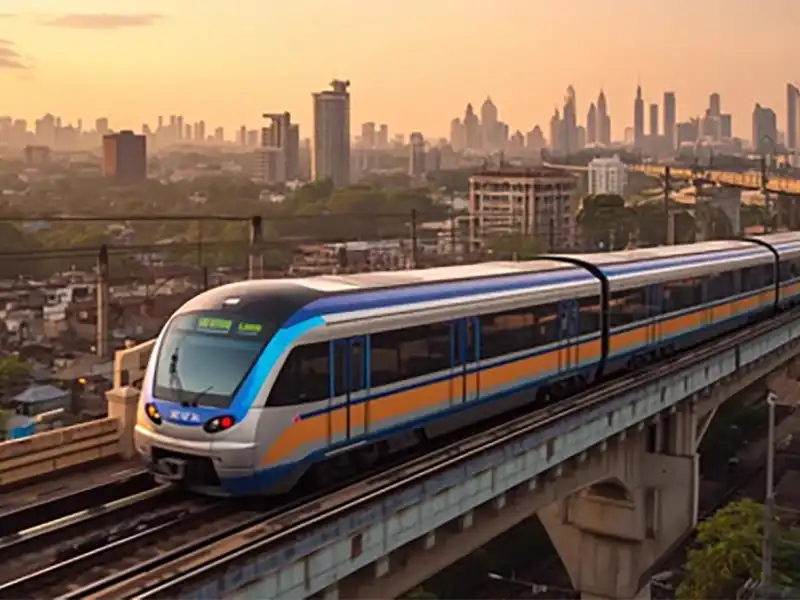
Technology, too, is changing the way communities function. Smart utilities, renewable energy integration, efficient water management and digital infrastructure are steadily becoming integral to township planning. Yet technology should serve a larger purpose: creating neighbourhoods that are more efficient, inclusive and responsive to residents' needs. However, vision alone does not create successful communities. Execution remains equally important. Infrastructure, public amenities and connectivity must evolve alongside residential development so that early residents experience the promised quality of life from the outset. Equally critical is seamless integration with regional transport networks, ensuring that townships become natural extensions of cities rather than isolated enclaves.Master-planned townships are not a universal solution to India's urban challenges, but they represent an important evolution in urban thinking. They demonstrate that residential architecture is no longer just about creating better homes and it is about creating places where people can live, work, connect and thrive. As India prepares for one of the world's largest urban transitions, the most enduring developments will not be those with the tallest towers or the largest footprints. They will be the ones who understand a simple truth: great architecture does not end at the building but it shapes the community around it.