Adheip Bakshi, Founder & Sales Director, Ascenta, explores how rapid urban expansion, increasing pollution, rising stress levels, and shrinking green spaces are changing the way people think about where they live, and what is driving more and more homebuyers and investors to move beyond cities in search of a healthier, nature-centric lifestyle.
Ever gone on a vacation and wished you never had to return to the chaos of city life? Or found yourself torn between the peaceful mountains and the calming beaches for your next getaway? While it may seem like a simple travel choice, it reflects something much deeper, a growing desire to escape the fast-paced urban lifestyle and reconnect with nature.Why More Buyers Are Moving Beyond the City
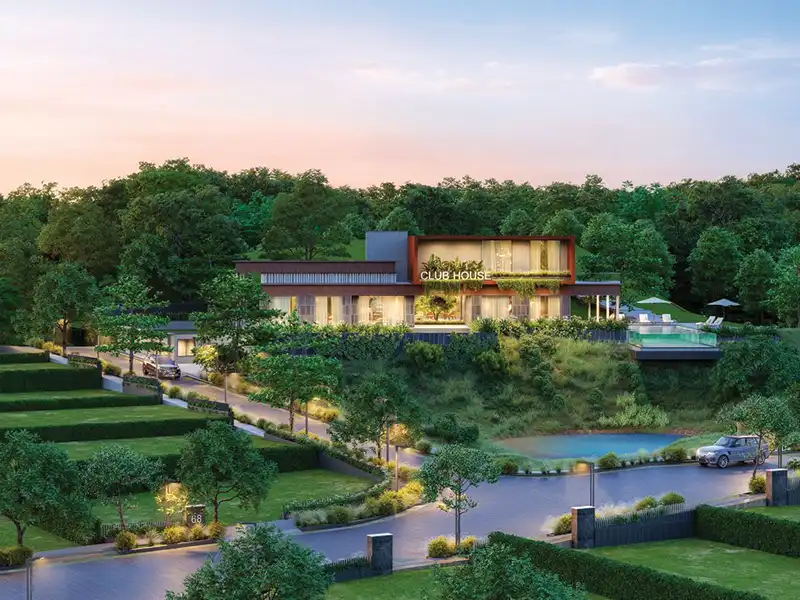
Thoughtfully Planned Communities
This shift is also driven by the growing appeal of thoughtfully planned, eco-conscious communities that offer:- Lower energy and maintenance costs through sustainable design and smart technologies.
- Healthier living environments with better air quality, natural light, and cross-ventilation.
- Landscaped open spaces that promote wellness, recreation, and community living.
- Stronger long-term value as demand for sustainable homes continues to rise.
- Future-ready infrastructure designed for evolving environmental and lifestyle needs.
The concept of luxury has evolved from owning an impressive home to experiencing a better quality of life. For buyers, moving beyond the city, the desire is to invest in a lifestyle that combines wellness, sustainability, and long-term value.
Adheip Bakshi

Redefining Luxury Through Nature
Luxury is no longer defined solely by premium finishes, grand interiors, or prestigious addresses. Today’s homebuyers are placing equal importance on a healthier living environment, sustainable design, and a stronger connection with nature. As a result, the concept of luxury has evolved from owning an impressive home to experiencing a better quality of life.This shift reflects a growing awareness that home should not only offer comfort and elegance but also support physical well-being while minimising their environmental impact. Every design decision now plays a role in creating a healthier, more sustainable living experience.
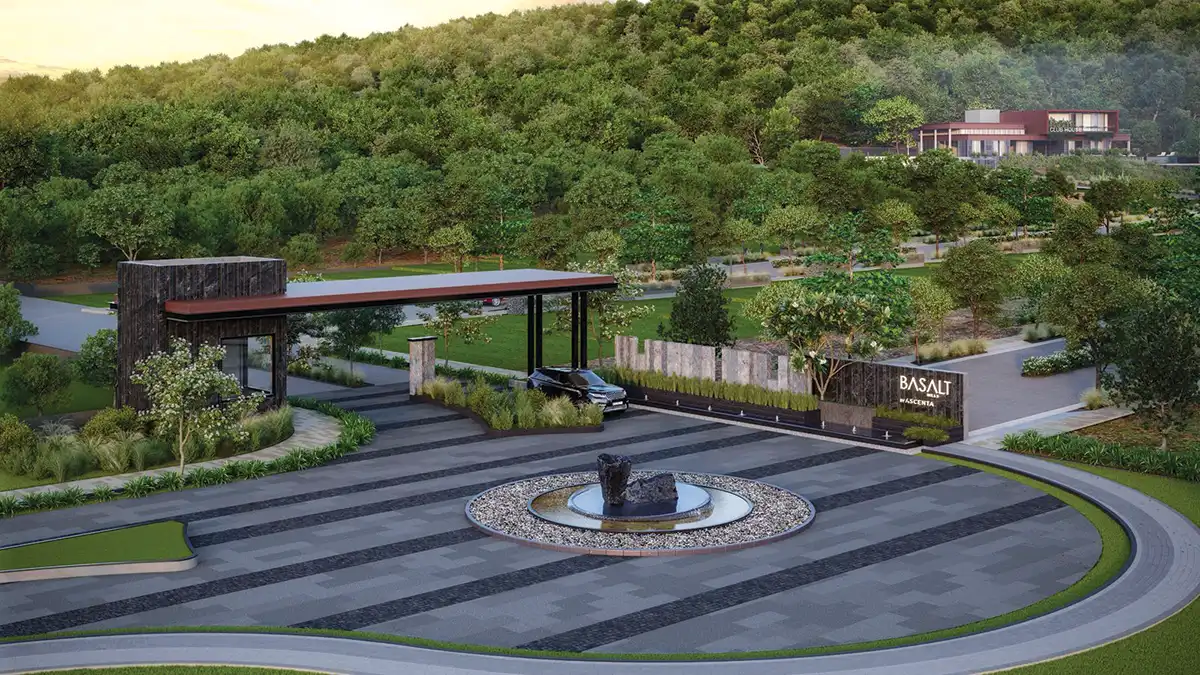
Key Design Elements That Support A Nature-Centric Lifestyle
Roofing: Climate-responsive roofs, including sloped roofs, insulated roofs, and extended overhangs, help regulate indoor temperature, improve energy efficiency, and provide protection from changing weather condition.Façade: The use of natural stone, wood, textured finishes, and locally sourced materials allows buildings to blend with their surrounding while improving thermal performance and reducing environmental impact.
Orientation: A home is strategically positioned to maximise daylight, capture scenic view, and encourage natural airflow, reducing dependence on artificial lighting and cooling system.
Doors and Windows: Large windows, sliding doors, and an open layout create a seamless connection between indoor and outdoor spaces, allowing residents to enjoy uninterrupted views, fresh air, and abundant daylight.
Natural Light and Ventilation: Thoughtful planning that prioritises cross-ventilation and natural lighting improves indoor air quality, enhances comfort, and creates healthier living spaces while lowering energy consumption.
Sustainability and Smart Planning: The use of eco-friendly construction material, rainwater harvesting system, solar energy, energy-efficient fixtures, water- saving technology, native landscaping helps reduce environmental footprint while creating long-term value for homeowners.
Together, these design principles demonstrate that sustainability and luxury are no longer separate concepts. They create spaces that are aesthetically refined, environmentally responsible, and designed to enhance everyday well-being.