India will build the cities of the future in the coming decade. The challenge is clear: these cities must not only be built faster; they must also be built smarter and greener.
Sriram Kuchimanchi, Founder & CEO, Smarter Dharma
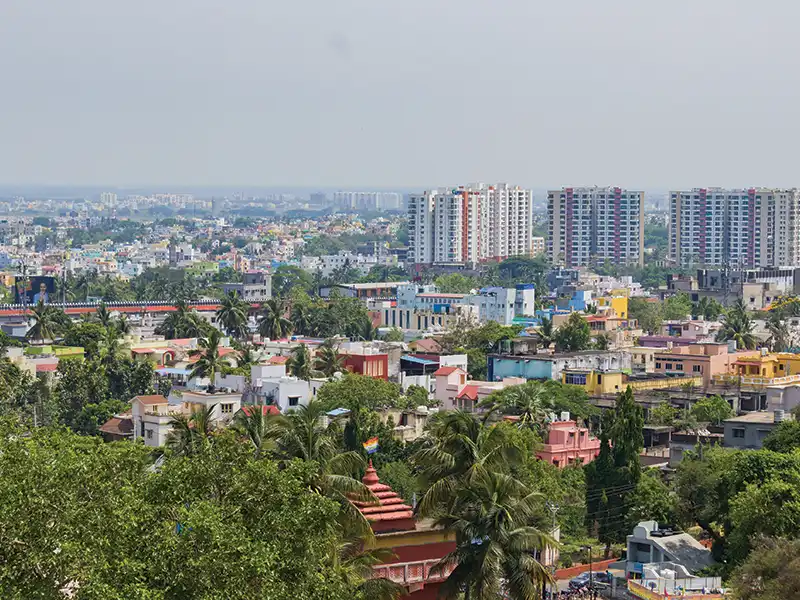
Building the Green Supply Chain for India’s Next Urban Growth
India’s built environment is entering a defining decade. Cities are expanding fast. Construction is rising across the country. The way India builds today will shape its climate future for decades.Buildings sit at the centre of the climate challenge. The buildings and construction sector accounts for nearly 37 to 40 percent of global energy related CO2 emissions and more than one third of global energy consumption. In India, rapid urbanisation is driving an unprecedented construction surge.
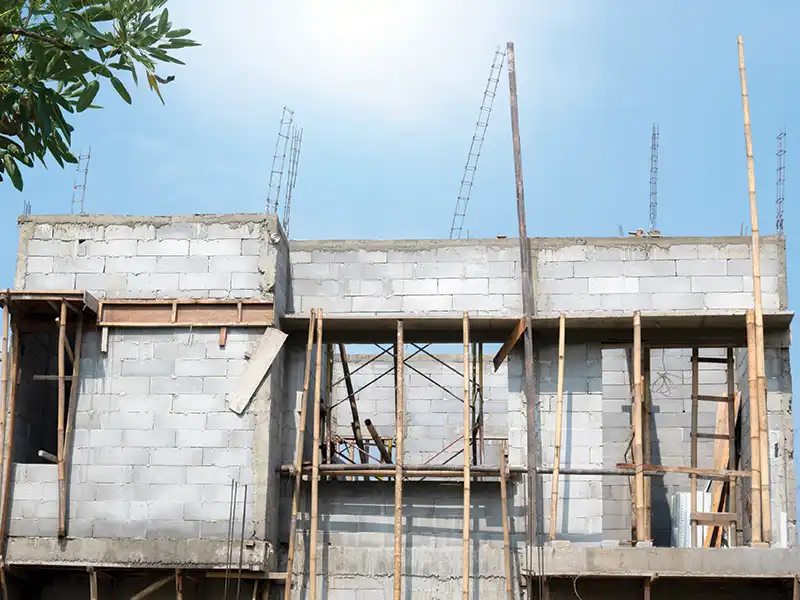
The Rise of Tier 2 and Tier 3 Cities
India’s next construction boom will not be limited to the metros. Much of the growth will come from Tier 2 and Tier 3 cities.These cities are emerging as new real estate growth centres. Industrial expansion, infrastructure investment, and better connectivity are accelerating development. Affordable housing programmes and expanding housing finance access are further pushing residential construction.
Yet these markets also face a critical sustainability gap. Outside major metros, developers, contractors, and self builders often struggle to find reliable information on green materials and sustainable solutions. Many decisions are still driven by fragmented information, supplier claims, or word of mouth. This makes it difficult for builders to confidently adopt greener alternatives. If India’s next generation of cities is to be sustainable, this information gap must be solved.
When sustainability is integrated early in design and construction, buildings can significantly reduce emissions, operating costs, and resource consumption.
Sriram Kuchimanchi

The Challenge of Finding Reliable Green Materials and Solutions
Green buildings are no longer a new idea. But implementing sustainability at scale remains difficult. Developers and design teams face three common challenges.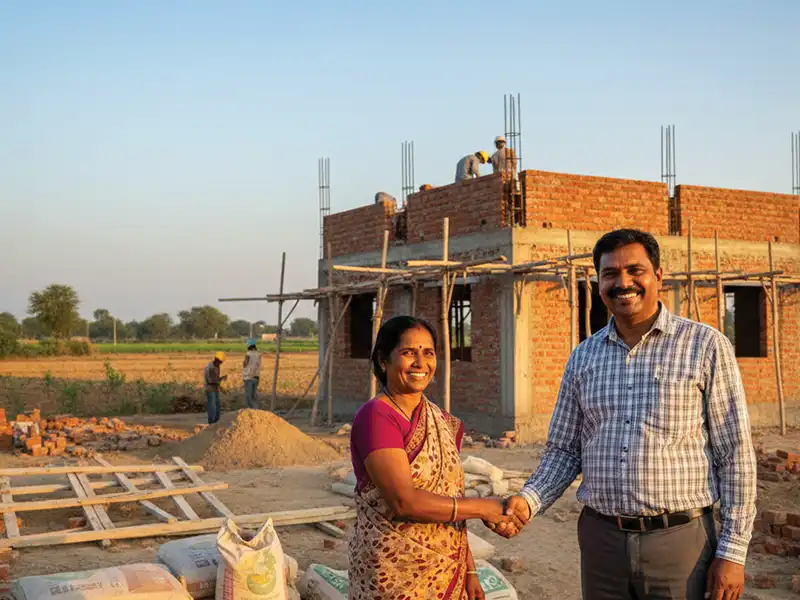
The third challenge is integrating choices of materials & solutions within broader sustainability strategies of the developer. Sustainable development is not only about choosing greener solutions. It also requires aligning these decisions into design philosophies, energy systems, water management, and certification frameworks. Without a unified ecosystem, these decisions become slow, fragmented and expensive.
Bridging Sustainability and Green Finance
Green finance is becoming an important driver of sustainable construction. Financial institutions are increasingly offering incentives for energy-efficient and low-carbon buildings. Frameworks such as IFC’s EDGE certification is helping lenders identify projects that qualify for green financing.However, access to these incentives often depends on verification. Financial institutions must be able to confirm that projects meet contextual and tangible sustainability benchmarks. This creates a strong need for digital platforms that connect material choices, design decisions, and financing eligibility within a transparent ecosystem. And it needs alignment of ESG goals of the financial institutions with the aspirations of the developer within the design constraints.