The challenge of building vertically goes far beyond structure and height. Every tower must work as a self-sustaining ecosystem that supports thousands of lives, without compromising on comfort, connection, or conscience.
Ram Raheja, Managing Director, S Raheja
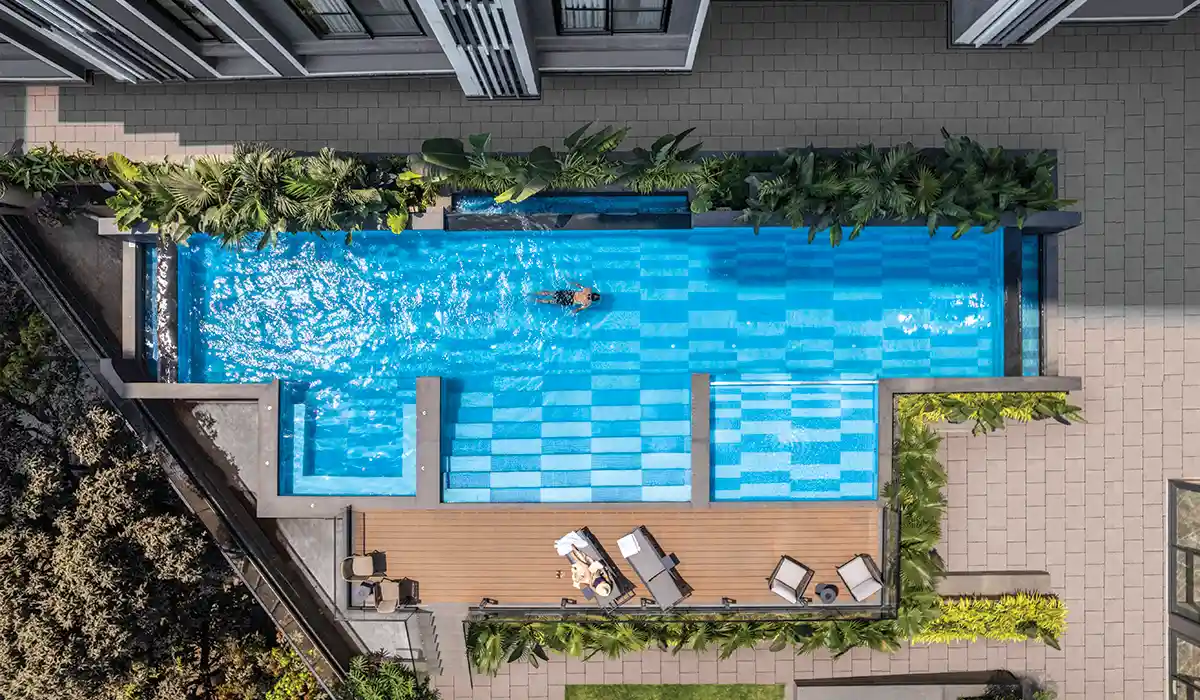
In Mumbai and across India’s metros, high-rise living has become both a practical response to limited space and a reflection of our collective aspiration for smarter, better lives. But for me, the question has never been how high we can build; it’s how thoughtfully we can design for the lives that unfold within and around these vertical communities. Cities are living organisms - constantly growing, adapting, and reaching upward.
Designing Ecosystems
Smarter Energy, Smarter Living
Our buildings must evolve from being passive consumers to active contributors. Smart meters, motion-based lighting, and solar integration are already reshaping the way we think about energy. These are not futuristic gestures; they are the new fundamentals of responsible urban design, especially in cities where every drop, every watt, and every square foot counts.Resilience has also become a design priority. As climate patterns shift, our structures must anticipate change rather than merely react to it. The materials we use, the façades we create, and the drainage systems we engineer must all work together to ensure durability and adaptability in the face of an unpredictable future.
Redevelopment: Builds Continuity
In Mumbai, the future of vertical living lies not in expansion but transformation. Redevelopment is the city’s most sustainable path, a way to upgrade outdated structures without erasing the communities. It allows for smarter layouts, better amenities, and modern infrastructure while retaining the emotional fabric of the place. Redevelopment, when done right, builds continuity. It offers people the comfort of familiarity and the promise of progress.Humanising the Vertical
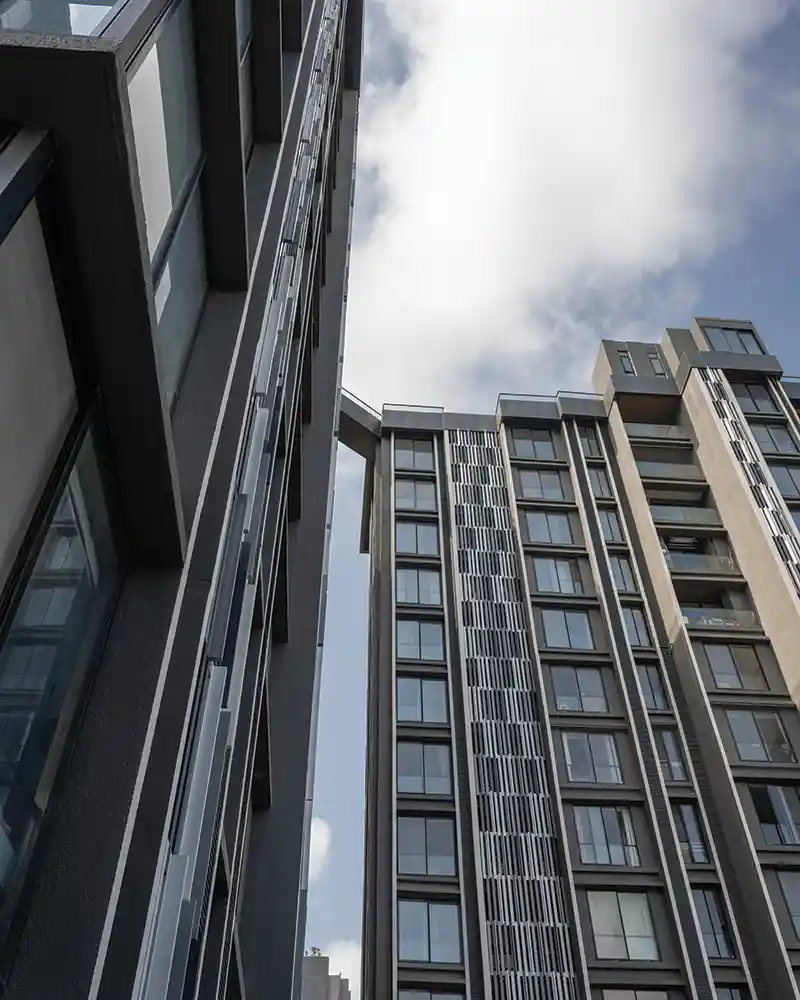
Even as our cities stretch skyward, the essence of good architecture remains deeply human. The real success of a high-rise lies not in its scale but in how it makes people feel. Designing at a human scale means bringing light, air, and nature back into dense urban life. Sky decks, landscaped podiums, and terraces can become places of connection and calm. Natural materials, biophilic design, and soft transitions make tall buildings feel lived in, not lofty, alive rather than mechanical.Design must be experienced, not explained. It is what transforms a tower from a structure into a community. Every building that rises adds not just to the skyline but to the story of its city. And with every new addition comes the responsibility to build with conscience, to create spaces that function beautifully, use resources wisely, and age gracefully over time. Design is not decoration; it is intent. It is how we make cities more livable, homes more meaningful, and progress more sustainable.
The future of high-rise living is not about building taller towers. It is about creating thoughtful, enduring communities that rise with purpose, and by design.