Across major Indian cities towering skyscrapers are appearing as symbols of economic progress and as an aspiration for modern living. But, beneath this upswing lies the dark reality that has been haunting the real estate sector; while skyscrapers promise expansion, constrictions imposed by urban planning, limitations of infrastructure, and red tapism are pushing back India’s vertical growth ambitions.
Sunil Sisodiya, Founder, Geetanjali Homestate
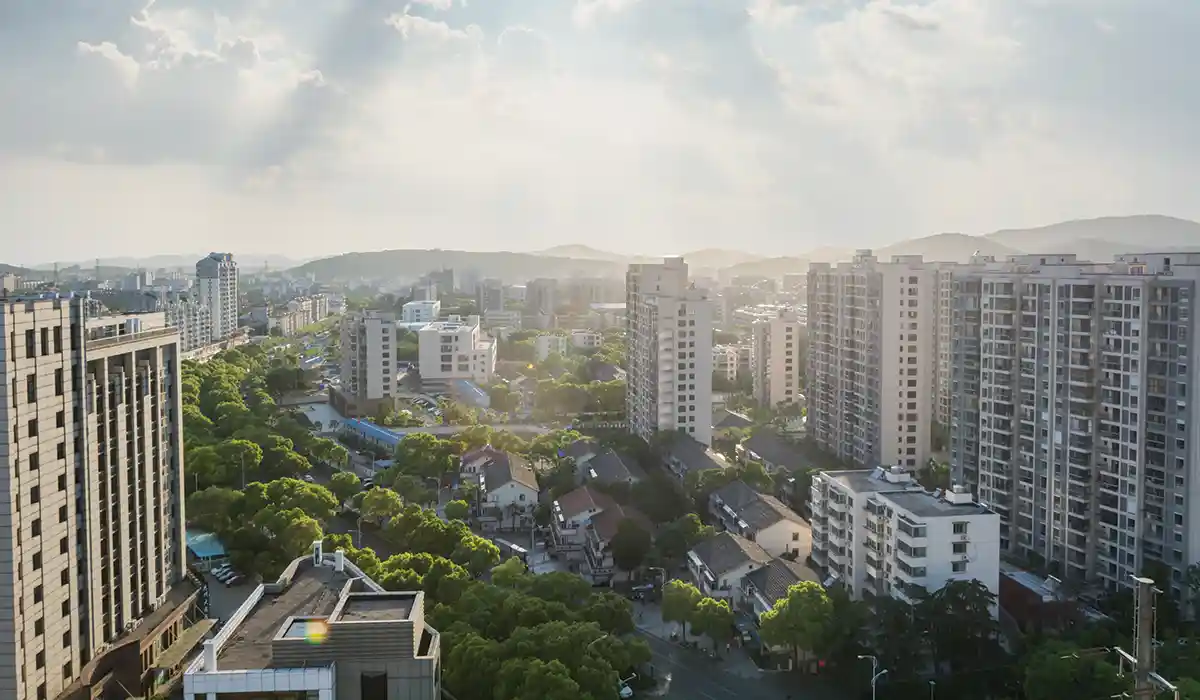
The Indian real estate sector for ages has been a significant economic driver churning a prospective 6-7 % to GDP, while providing jobs to millions of people. In the last several years, housing demand in metropolitan cities has grown due to increases in population and disposable incomes as well as the desire to avail modern amenities. In Mumbai, Delhi, and Bangalore, high-rise developments have increased exponentially as builders try to meet the demand for urban accommodation within space under compression.
However, this upward trend is at a stage now where all side effects from infrastructure, environmental concerns, and obsolete regulations are slowly suffocating further development.
Infrastructure Stress
One big challenge for the high-rise boom in India is how to prepare the urban infrastructures. By virtue of their scale, skyscrapers will require very sophisticated infrastructure to sustain their residents, whether in terms of water supply and waste disposal or transportation or power. The sad truth, however, is that most Indian cities find it difficult to fulfil even simple requirements for mid-rise structures, not to mention towering buildings that house thousands of residents.Water scarcity and depletion of lakes and groundwater level confront cities like Bangalore, and also in phasing of transportation networks in cities like Mumbai and Delhi, where transportation is running at 100%. Metro lines and road networks are already getting overwhelmed by the sheer number of commuters. High-rise development is only adding to the burden on these already overloaded systems, causing congestion, inadequate parking, and rise in pollution levels.
Regulatory and Environmental Challenges
Along with the challenges of land and environmental costs, urban development is also faced with some regulatory hurdles. The zoning laws are mostly outdated, height restrictions are set, and building approval processes are complex. Also, the laws vary from state to state, adding more complexity for developers trying to expand across regions. Delays in the processes add to the overall costs.In India, the negative effects of haphazard urbanization are already being witnessed in the form of extreme flooding in numerous cities, heat waves, and other climate-related issues. The government now is very alert when allowing high-rise structures in ecologically sensitive zones. This holds especial significance in a city like Chennai or Mumbai, where untimely floods have been witnessed because of poor planning of the urbanized sprawl.
On several instances, the NGT has brought construction activities to a standstill since the tribunal orders halting projects if environmental rules have been breached, many of which are necessary control measures for preventing degradation of the environment and climate risks. The clock keeps ticking, and so do the postponements and complications for developers to complete their high-rise projects.
The strain on the available infrastructure is forcing developers to reassess their design of skyscrapers. Once seen as a solution to population density, skyscrapers are creating problems such as outdated drainage systems, shortage of green areas, and poor air quality.

Sustainability
The real estate industry in India is slowly starting to look at new ways of balancing growth and responsible development. Sustainable high-rise buildings are now constructed from (so-called) eco-friendly materials to make them energy efficient. Green buildings that feature rainwater harvesting, energy-efficient lighting, and solar panels can be a panacea for high-rise infrastructure and the environment due to their reduction of the carbon footprint of the urban area and subsequently the amount of burden on city resources such as water and electricity.But adoption of sustainable construction practices has been tardy due to high costs and also due to lack of awareness of green building technologies amongst the buyers and developers. Nevertheless, with the increase in environmental concerns, sustainability will no longer be an option but a requisite in high-rise developments.
The Future
The high-rise dilemma brings a basic shift in approach to urban development, necessitating comprehensive urban planning from housing and infrastructure to environmental sustainability.Satellite cities or smart cities could be one answer as urban development can be spread over varied regions so that pressure on existing metropolitan areas is lightened. This is already being witnessed in certain parts of India, where cities like Navi Mumbai and Noida have come up as extended wings of Mumbai and Delhi, respectively.
Policymakers should also invest in upgrading the existing infrastructure to cater more efficiently to high-rise developments. This would involve investing in better public transport systems, water supply and drainage systems, among other things, and include renewable energy sources as part of the services to support the energy requirements in tall buildings.
While vertical development is crucial for the future of urban housing, cities need to gear up and take this growth responsibly. Policymakers, urban planners, and environmental experts need to work collectively with the stakeholders to make cities more liveable and sustainable.