
A home is a living framework, shaped as much by time and routine as by design. It must accommodate routines, relationships, and transitions over time. This belief informs how we approach interiors at every stage, beginning with planning rather than finishes. When spatial organisation is clear, decisions around materials, lighting, and furniture tend to fall into place naturally.
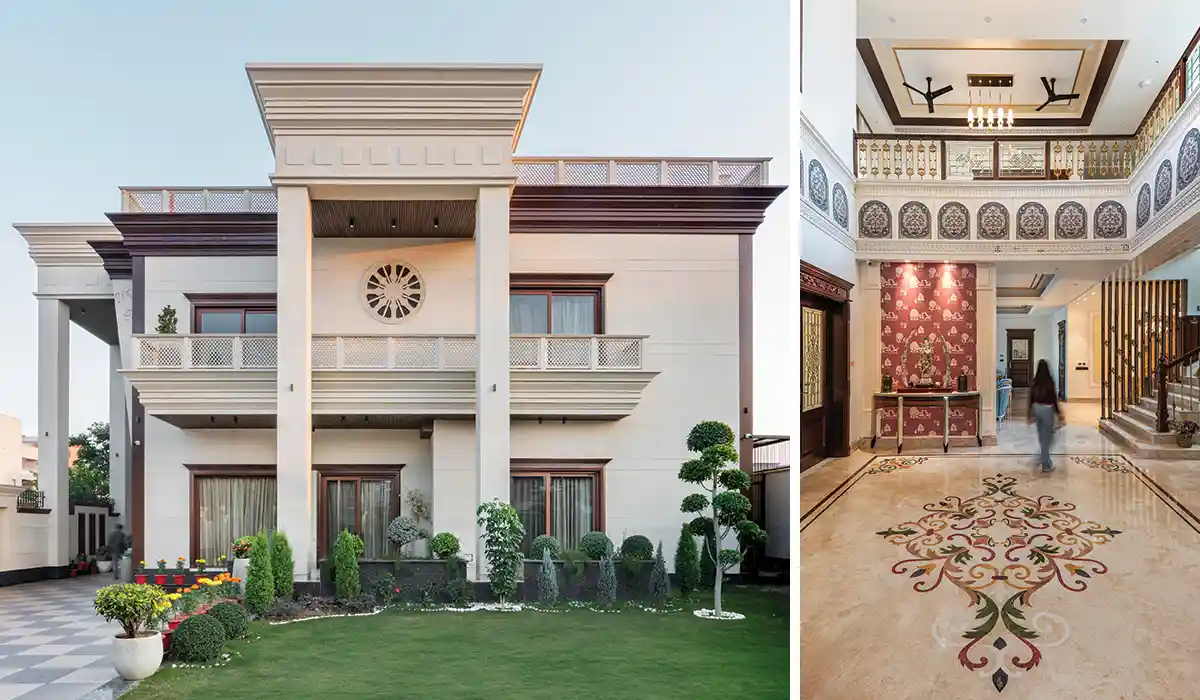
One recurring issue is the tendency to design rooms independently. Each space may be carefully detailed, yet the overall experience of moving through the home lacks continuity. A well-designed interior should read as a connected sequence rather than a collection of standalone rooms. At one of our projects in Moradabad, the Katyal Residence, we approached the interiors as a single spatial narrative. The double-height living area acts as a central anchor, while staircases and corridors were designed as active zones, layered with light and texture. Circulation was treated as an experience rather than a necessity, allowing the home to feel cohesive and intuitive.
Another aspect that deserves more attention is how homes accommodate everyday belongings. The desire for minimal, clutter-free interiors is understandable, but without adequate planning, these spaces can quickly become difficult to manage. At Heritage Haus, we chose to integrate storage directly into the architectural framework. Full-height wall systems, recessed niches, and custom-built furniture were designed to recede into the background. The intent was not to conceal function, but to allow it to operate quietly, supporting the household without disrupting the visual rhythm of the interiors.
Light defines how a space is experienced, and its potential is best realised when it is planned from the outset rather than treated as a final layer. While decorative fixtures have their place, they cannot compensate for a lack of layered lighting. A successful lighting strategy balances ambient, task, and accent lighting while responding to natural light and daily use patterns. At Regal Abode, we relied heavily on courtyards and perforated jali screens to modulate daylight. Artificial lighting was then layered subtly, allowing spaces to transition comfortably from day to evening without relying on overt visual drama.
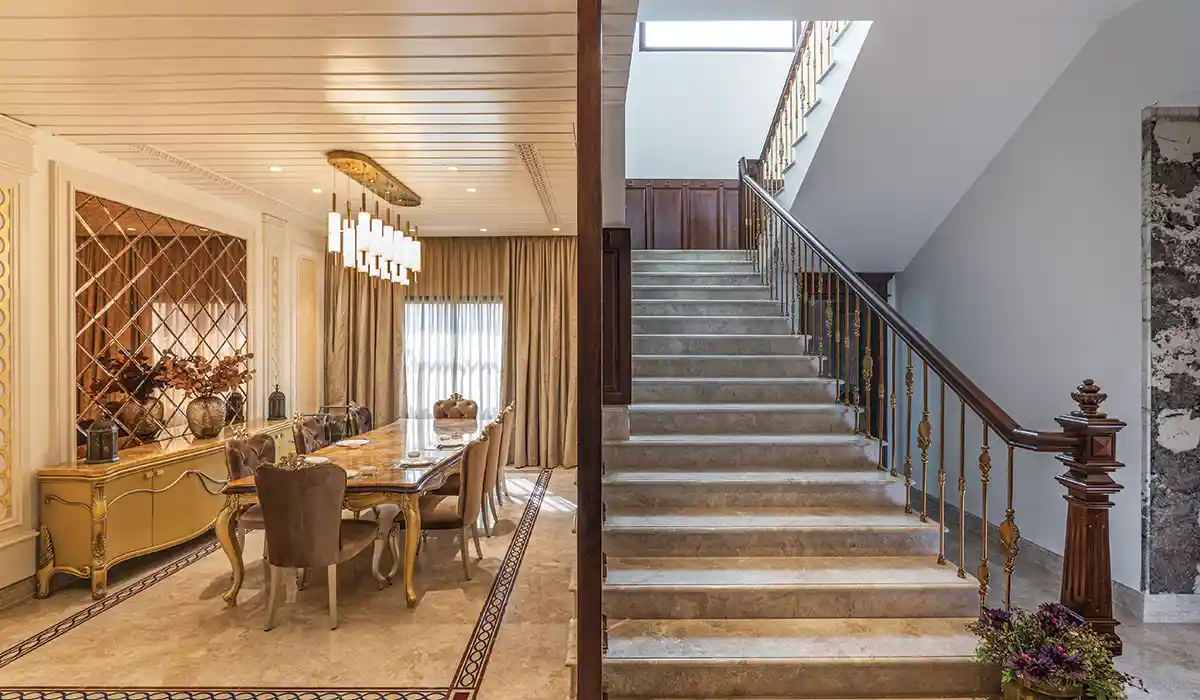
Clarity in design requires discipline. When too many voices influence spatial planning, interiors can begin to lose coherence. A single, well-defined design language allows diverse needs to be accommodated without visual conflict. This does not mean uniformity; it means consistency in intent. When materials, proportions, and details speak the same language, a home feels balanced and composed.
Future-ready homes are not those that anticipate trends, but those that allow for change. Flexibility in layout, thoughtful service planning, and spaces that can evolve ensure longevity. When rooms are not overly prescribed, they can evolve naturally with the family that inhabits them.
Ultimately, good interiors are those that perform quietly. They are comfortable, adaptable, and resilient. When design is guided by how people live rather than how spaces are presented, homes gain a lasting relevance where architecture serves its true purpose, by creating environments that support life with clarity, restraint, and intention.