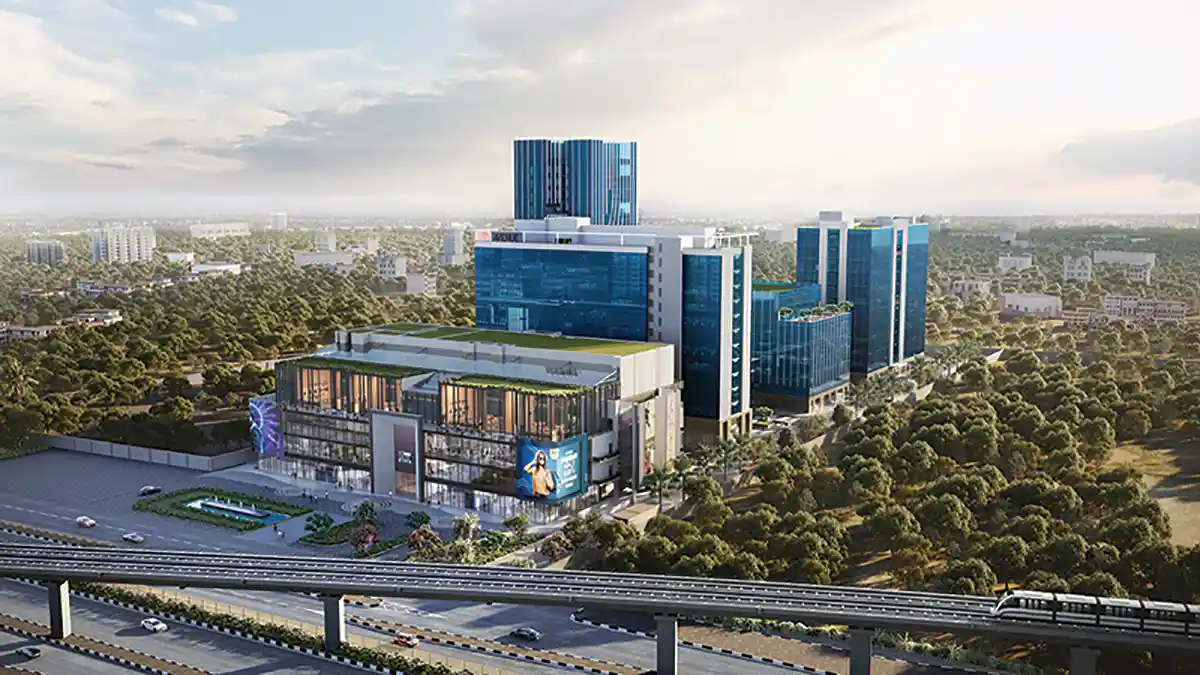
As India steps into 2026, the real estate sector stands poised to move from momentum to maturity—building cities that are connected, resilient, and fundamentally people-centric. Design, well-being and intelligence have marked a deeper structural shift in how real estate is designed, evaluated, and consumed. Grade-A offices, flexible workspaces, GCC, warehousing, plotted developments, and gated communities are seeing rising traction. Residential real estate continues to be led by end-users, with steady traction across mid-income, premium, and luxury segments. Buyers have shown a strong preference for branded developers, well-planned projects, and future-ready neighbourhoods.
The interior and finishing segment is seeing rising demand from commercial, institutional, and mixed-use developments, where flexible, durable, and low-maintenance interiors are being valued as part of long-term asset value. highlighting the growing importance of design intelligence and long-term relevance.
Simultaneously, new technologies and modular construction methodologies, including prefabrication, BIM-driven planning and supply-chain digitization, have gained traction, especially for mid- to large-scale projects, where speed to market, quality assurance, and labour efficiency matter most. The emergence of a nascent Construction 4.0 landscape, combining IoT, automation, factory-based manufacturing and advanced project management, is creating new openings for innovation and differentiation.
In 2026, industry leaders expect growth to be more measured, infrastructure-aligned, and quality-driven, with sustainability, redevelopment, and integrated planning taking center-stage.

There is a growing appetite for flexible workspaces, Grade-A offices, and tech-driven commercial environments. New-age real estate segments, including data centres, warehousing, co-living, and senior living, are gaining traction as evolving lifestyles and business needs shape fresh opportunities for developers and investors.
The next phase of development will focus on integrated, self-contained townships offering a blend of residential, commercial, retail, healthcare, and recreational infrastructure. These developments align with the growing preference for holistic living, walkability, and access to amenities within a single ecosystem.
2026 will reinforce sustainability not just as a trend but as a fundamental development pillar. Developers will prioritise certified green buildings, renewable energy integration, waste management systems, and water conservation technologies. The industry’s transition towards green buildings, ESG compliance, and energy-efficient construction practices will gather momentum. Technology adoption — whether in project management, digital sales platforms, AI-driven customer engagement, or smart home features — will continue to reshape customer experience and enhance operational efficiency across the value chain.
Prime locations will no longer be defined only by legacy or pincodes; they are now being reshaped by redevelopment, better infrastructure, and integrated urban planning. Established neighbourhoods are witnessing a renewed relevance as modern development blends with improved access, creating aspirational addresses that offer both convenience and long-term value.

Looking ahead, the sector is poised for more structured and sustainable growth. With multiple infrastructure projects nearing completion, several underserved corridors are expected to transform into prominent residential and mixed-use destinations. Developers will focus on creating landmark projects and signature addresses aligned with evolving mobility patterns, urban aspirations, and long-term value creation. In essence, as India’s cities continue to evolve, accessibility-led planning and the rise of new signature addresses will remain central to shaping real estate demand in 2026.
Sustainability and green living have moved from being differentiators to standard expectations for homebuyers. In 2026 too, demand for exclusive residences, gated villa communities, second homes, and branded developments will continue to rise. Cities like Mumbai will continue to witness rapid redevelopment activity, unlocking value from brownfield sites, enabling vertical growth, and modernizing urban living environments. Flexible offices, Grade-A assets, and well-planned integrated business districts will see significant traction. Warehousing and industrial real estate will also experience a steady uptick driven by e-commerce, manufacturing, and supply chain modernization.
Green buildings, energy-efficient design, and ESG parameters will influence both homebuyers and institutional investors. Developers who invest in sustainable innovation will lead the next wave of growth. We believe the next year will unlock greater innovation, transparency, and customer-centricity—redefining the way India buys, builds, and experiences real estate.

Capital flows are expected to become more structured and disciplined, with investors prioritizing asset quality, compliance, and execution capability over aggressive expansion. Technology adoption, data-backed feasibility planning, and robust advisory frameworks will further support informed decision-making across the value chain.


Across asset classes, real estate has evolved into experience-led ecosystems. Offices have transitioned from attendance-driven environments to collaboration-first spaces. CBRE’s workplace research shows that offices have raised the bar for design quality, flexibility, and technology integration, and a stronger demand for Grade A, well-managed buildings that support collaboration, focus, and well-being. In residential real estate, natural light, efficient layouts, access to green spaces, and a sense of community have emerged as key decision drivers.
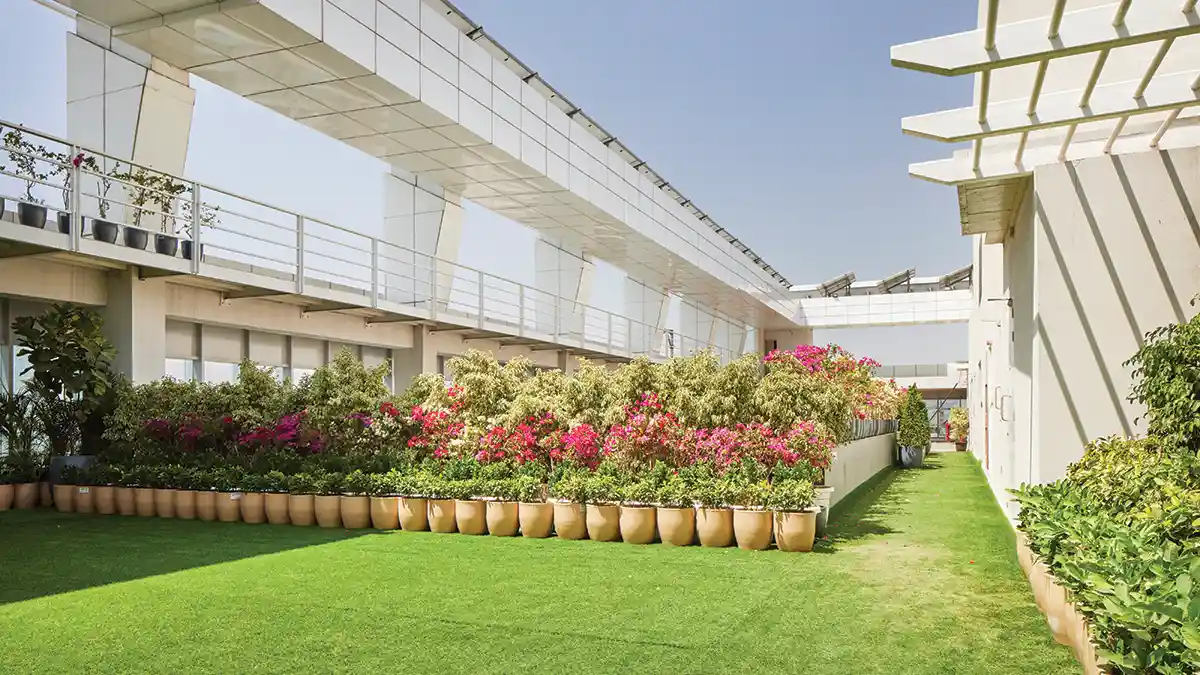
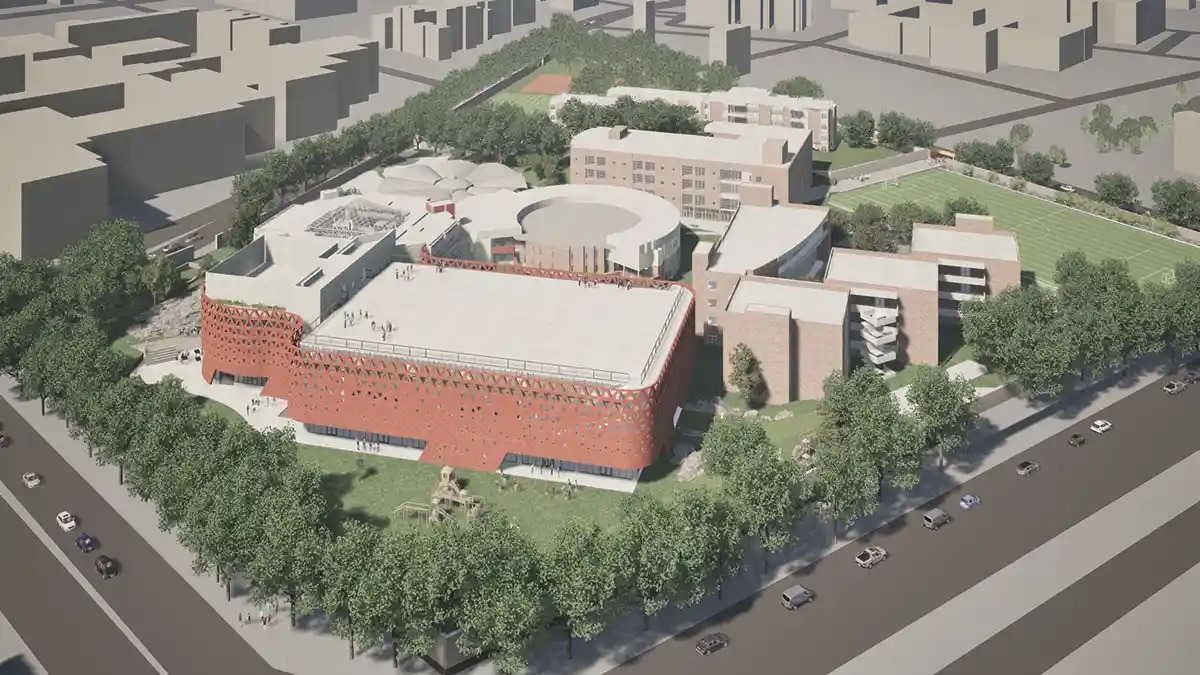
One of the most important shifts is that design has moved beyond aesthetics and into performance with better indoor environmental quality, including air, light, and acoustics, and cognitive performance, health, and productivity. In India, this thinking gained momentum as developers and occupiers began assessing buildings on daylight optimization, acoustic comfort, circulation planning, and energy efficiency. Access to cleaner air, greenery, quieter environments, and spaces that support mental recovery are no longer differentiators. They are fundamentals for both homes and workplaces.
Across global markets, green-certified buildings continue to demonstrate stronger occupancy, rental resilience, and investor interest. Developers and investors alike are recognizing that environmentally responsive buildings are better positioned to remain relevant as regulatory expectations, climate realities, and user awareness continue to evolve.
Integrated, mixed-use developments aligned with global principles of walkability and proximity will gain prominence. Demand for flexible and personalized spaces will rise as occupiers and residents seek environments that reflect their lifestyles and values. Well-being will evolve into fully integrated ecosystems, while AI-led building intelligence will redefine how spaces adapt and perform over time. Sustainability will continue to influence valuations, financing, and occupier decisions.
The defining lesson of 2025 is clear: real estate is no longer just about constructing spaces. It is about shaping human experiences with responsibility, empathy, and foresight. Buildings that fail to adapt will age faster while those designed around people, intelligence, and balance will remain relevant for decades.

With redevelopment gaining momentum, residential and warehousing acting as growth anchors, plotted developments rising, luxury housing scaling new benchmarks, and connectivity reshaping urban contours—2026 stands out as a year of accelerated opportunities and long-term value creation.

Buyers are increasingly drawn to gated communities, and secured, well-amenitized townships that offer open spaces, wellness facilities, co-working zones, and green landscapes—all within a single ecosystem. This trend reflects the rising desire for a holistic lifestyle where convenience, safety, and wellness go hand-in-hand. A surge in HNI and NRI investments, coupled with the aspiration for premium living, has elevated the demand for high-end residences.
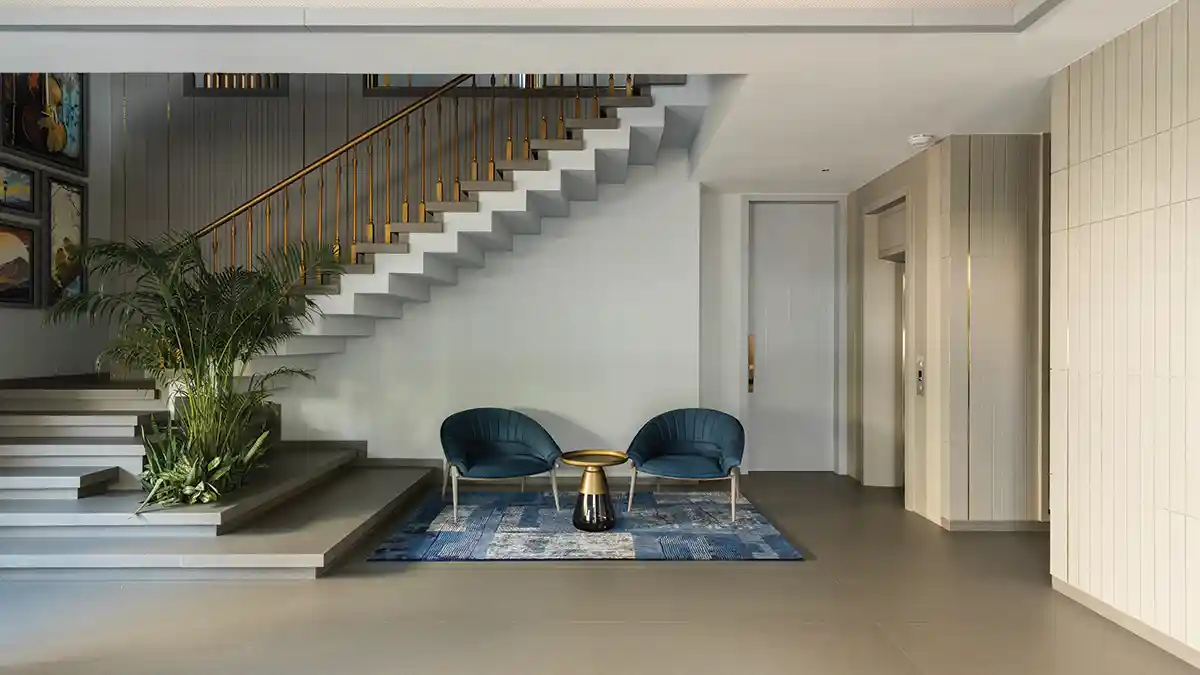
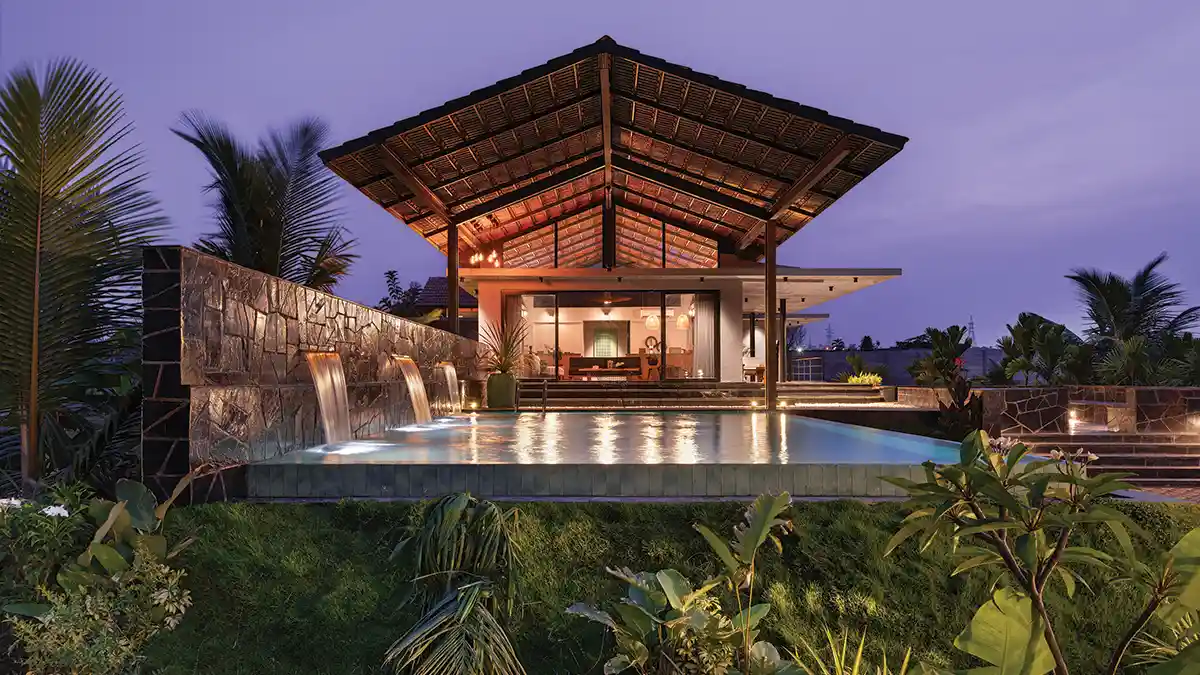
With global design sensibilities, state-of-the-art amenities, and curated lifestyle offerings, luxury developments are gaining traction. For many buyers, luxury is no longer about opulence alone—it is about exclusivity, sustainability, and experiential living. Luxury housing is expected to broaden its footprint beyond conventional high-value zones. Emerging micro-markets—boosted by infrastructure upgrades—will attract affluent buyers looking for spacious apartments, bespoke amenities, and distinctive architectural design. Developers will focus more on experiential luxury and personalized services within residential spaces.
With workplace dynamics continuing to evolve, commercial real estate will lean further into hybrid designs that prioritize collaboration, energy efficiency, and health-driven layouts. Demand for boutique offices, flexible spaces, and high-quality retail formats will expand.
Developers will prioritize eco-conscious construction practices, energy-efficient solutions, and environmentally responsible design. Community-centric planning and wellness-oriented living will further shape the next phase of urban real estate.

Seniors deserve thoughtfully designed environments that foster well-being, social connection, and peace of mind. We see this as a long-term commitment to building with purpose and sensitivity as senior living is about more than housing; it is about understanding life stages and responding with empathy and responsibility. Responsible development integrates environmental sustainability, inclusivity, and transparent governance into its planning philosophy, ensuring that communities are not only functional but also resilient and future-ready, bringing structured planning, thoughtful design, and a deep understanding of resident needs.


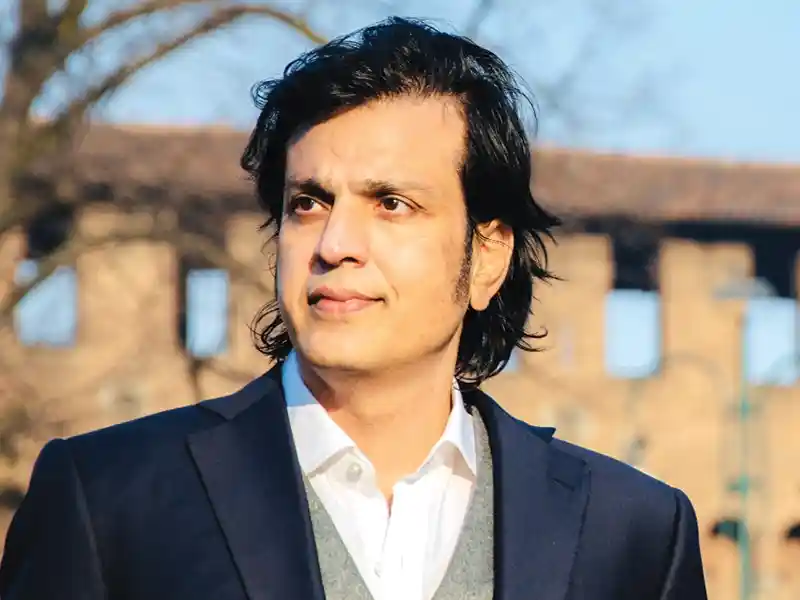
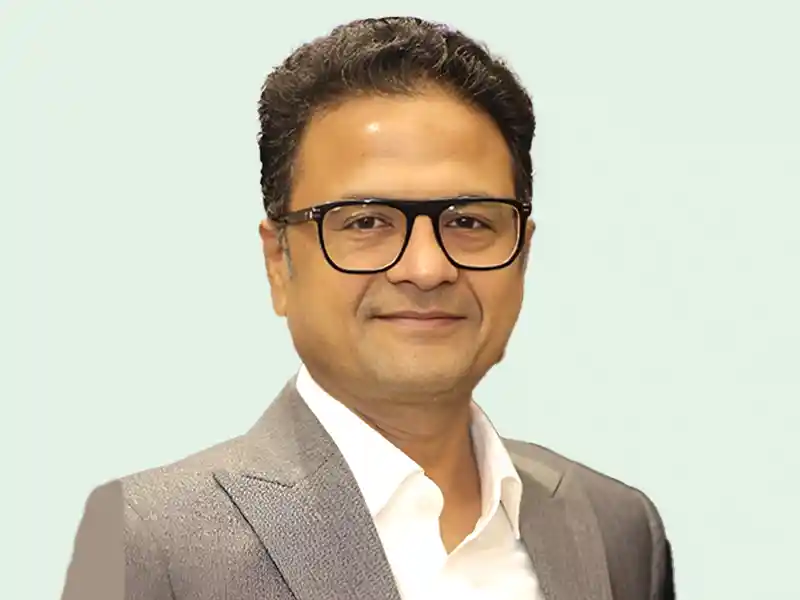
Modern construction is an orchestra: if procurement, factory, and site don’t play in sync you lose time and margin. Workflows and digital handoffs reduce on-site wastage and shrink timelines. The returns are visible in margins and client satisfaction.
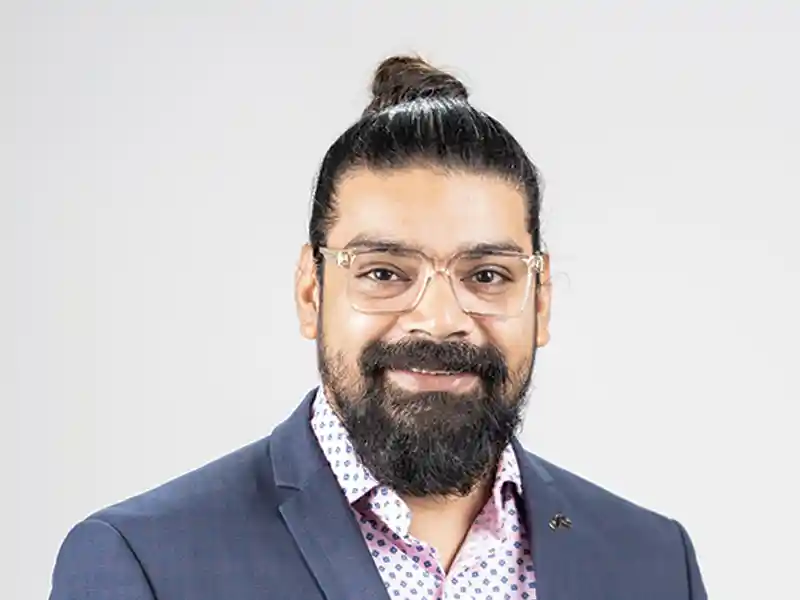
Many homebuyers explore properties that would support multi-generational comfort, health-oriented living, and modern lifestyle needs. The surge in demand for premium developments across urban and upcoming micro markets is a reminder that real estate is no longer only about construction. It carries a responsibility to shape the lives and experiences of the families who call these spaces home. Every upcoming development will blend functionality with aesthetic excellence while placing equal importance on sustainability and modern technology. The goal is to deliver thoughtfully designed communities that are ready for the future.

Today’s real estate is influenced by both lifestyle goals and operational costs and climate realities. While end-users are becoming more cognizant of sunshine, thermal comfort, and spatial quality, developers are more concerned with orientation, material efficiency, and maintenance cycles.
This has prompted architects to participate earlier in the decision-making process, ensuring that the design objective is in line with practical limitations. This is a good change. Instead of serving as a finishing touch, it enables architecture to resume its function as a strategic tool. There is a chance to design buildings that are ageless, resource-conscious, and context-responsive—structures that provide value for decades to come. The next phase of Indian real estate will be defined by thoughtful design combined with responsible development.

Homebuyers now look for luxury homes with smart technology, sustainability, wellness, and top-notch craftsmanship. The definition of luxury has shifted from spacious layouts to a whole offering of comfort, security, and exclusivity. The emergence of this behavioural shift is taking the premium segment beyond metro cities and into upcoming growth corridors. As developers, we see a clear momentum where luxury is no more an aspiration, but a well-planned upgrade in life.

True luxury has moved beyond ‘fancy materials’ and is now more about smart design, utility, and everyday comfort. If this trend continues, we will see more thoughtfully designed, high-quality homes that place greater focus on lasting value. Buyers now seek space, design and long-term value. New infrastructure and emerging business districts are also reshaping preferences, turning locations like Noida into preferred addresses for high quality living. Industry reports show rising ticket sizes and a growing share of premium launches. This is a structural shift toward lifestyle focused, investment- grade housing across India’s leading markets.

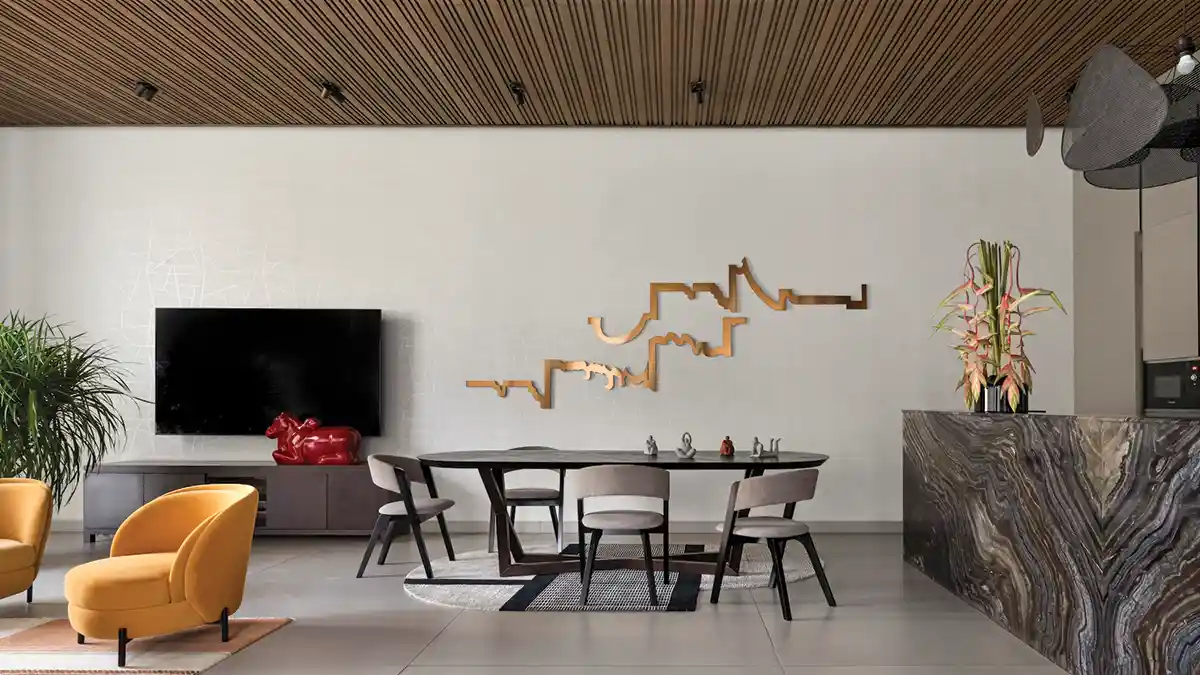
Minimal design is often misunderstood as mere simplicity in form, yet true minimalism thrives on depth and tactility. In minimal homes, texture is not an embellishment; it is the language through which calm, refinement, and understated richness are communicated. Texture becomes the defining element that gives restrained interiors warmth, character, and a sense of completion. Linen, timber, stone, and metal are not decorative afterthoughts—they are the building blocks of sensory engagement.
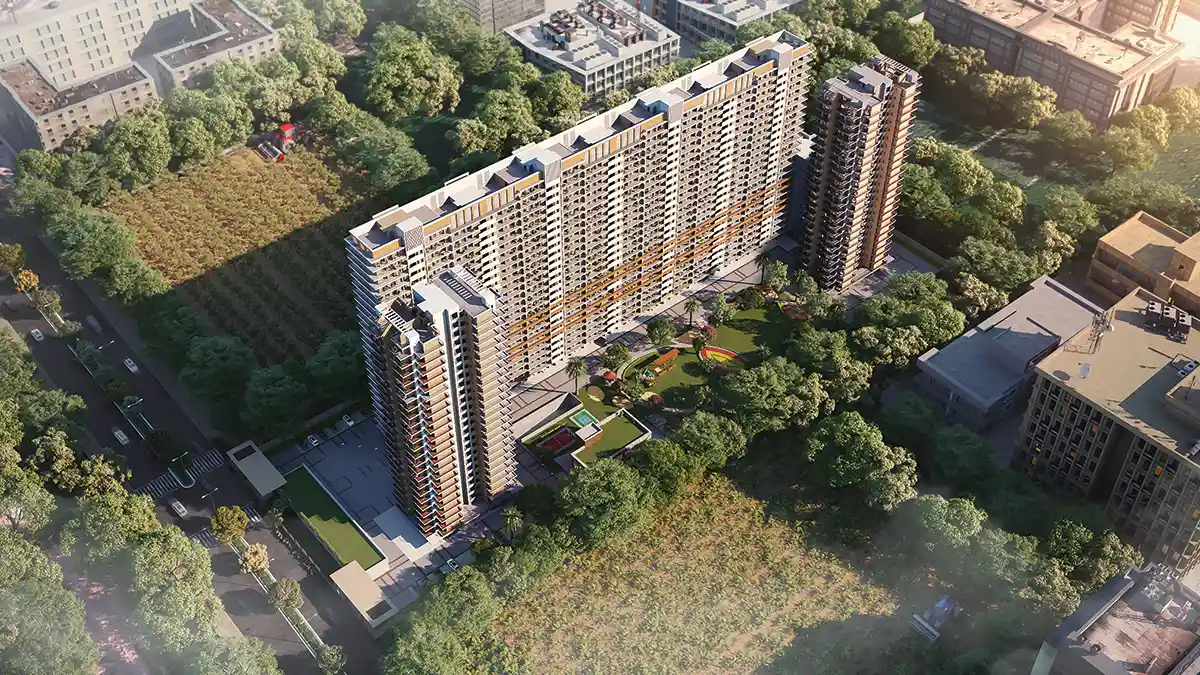
Timber floors bring warmth and natural variation, stone surfaces add permanence and grounding, brushed metals punctuate spaces with precision, and fabrics soften edges while enhancing comfort. Combined thoughtfully in measured proportions, these textures create a subtle interplay with natural light, producing interiors that feel layered and alive, creating interiors that are balanced, elegant, and timeless. Harmony, after all, is about creating a visual and tactile dialogue between materials, allowing contrasts to coexist in equilibrium.
Buyers today prioritise wellness, intelligent design, sustainability, advanced security, and global-quality services — well beyond just square footage. Second homes are also seeing strong traction, as affluent buyers seek lifestyle escapes that combine emotional value with solid investment fundamentals.
Looking ahead, momentum remains intact, though buyers are likely to become more selective. Iconic residential addresses in Delhi, Mumbai, and Gurugram will continue to command a premium, while India’s office market, led by the structural rise of Global Capability Centres, remains a key growth engine. Developers with strong execution capabilities, disciplined planning, and technology-led efficiencies will continue to stand out.
Conclusion
Industry experts believe that the coming year will be defined by three converging themes: industrialized delivery (modular + panelized + hybrid construction systems), measurable sustainability (embodied-carbon accounting, net-zero operational roadmaps), and productized services (standardized design kits, repeatable interior systems). Firms that combine these with disciplined project financing, transparent governance, and integrated service delivery –– from civil work to interiors –– are expected to capture premium value.Moreover, the growing focus on ESG (environmental, social, governance) compliance, from energy and water efficiency to carbon footprint reduction, is reshaping investor and client expectations. Developers and institutional landlords are increasingly seeking facilities that meet green certification standards, cost less to operate over their lifecycle, and command higher long-term value.
In this evolving environment, integrated-service providers are well positioned to deliver end-to-end solutions, from civil construction to interiors and façade, combining speed, quality, sustainability and design adaptability. As we step into 2026, the focus remains clear: to create value-driven, sustainable, and customer-centric developments.