
These shifts signal a future where the office is less about a fixed address and more about an intelligent, experience-driven ecosystem designed to optimize productivity, foster well-being, and demonstrate true environmental responsibility. Understanding these fundamental changes is crucial for businesses aiming to attract talent, enhance collaboration, and navigate the competitive demands of the modern work environment.
AI-Driven Optimization & The “De-Densification” Effect
AI is reducing manpower in new age companies leading to more space per person. The pervasive integration of AI and advanced automation within “new age” and even traditional companies will fundamentally alter workforce composition. This isn’t just about reducing headcount; it’s about re-profiling roles and increasing the cognitive intensity of work. The result will be a noticeable “de-densification” effect, where the demand shifts from packing more people into smaller spaces to providing more generous, specialized, and flexible space per person. Companies will invest in larger individual workspaces, quiet zones for deep work, and high-tech collaborative areas to support a smaller, more highly skilled, and distributed workforce. The office becomes less about headcount management and more about optimizing intellectual output and employee well-being.Automation as the Invisible Backbone: Smart Building Revolution
Automation will lead the way, critical services like security, water and power being tracked and optimised. Automation will be the invisible, intelligent backbone of the modern office. This extends beyond basic IoT. Expect AI-powered predictive maintenance, dynamic climate control (HVAC), intelligent lighting systems, and advanced security protocols that learn and adapt. Critical services like power grids, water management, and waste systems will be digitally twins, allowing for real-time tracking, anomaly detection, and unparalleled optimization. This not only significantly reduces operational costs and environmental footprint but also creates a seamless, hyper-efficient, and secure environment where occupants experience comfort and reliability without conscious effort. It’s the advent of truly “smart” and “sentient” buildings.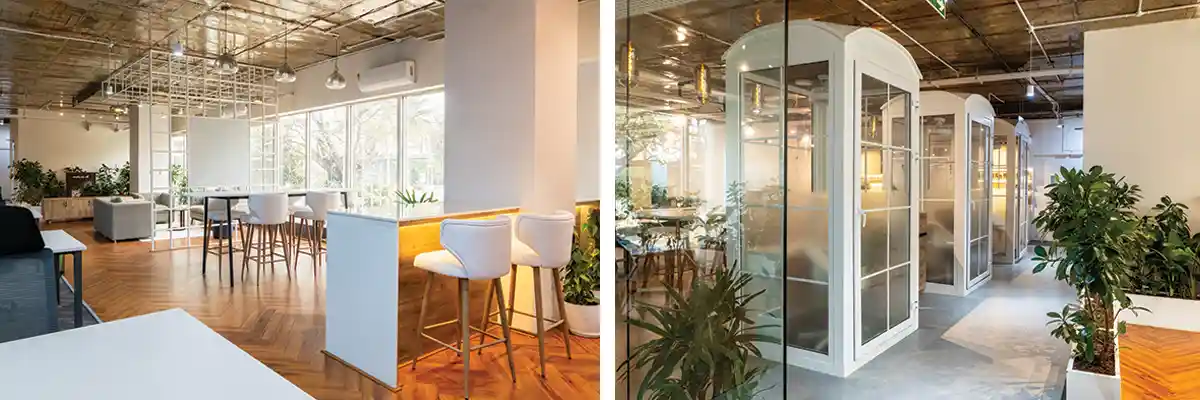
Holistic Sustainability: Beyond Green Washing to Green Living
Sustainability in 2026 will move far beyond symbolic gestures or “green washing.” It will be a holistic, measurable, and integrated demand from both corporate tenants and individual employees. This includes aggressive targets for net-zero operations, leveraging renewable energy sources; focus on waste reduction, recycling infrastructure, and using reclaimed/recycled building materials; smart water systems, rainwater harvesting, and greywater recycling; integration of natural elements, ample natural light, and clean air systems to enhance occupant health and productivity; scrutiny of the entire supply chain for materials and services to ensure ethical and sustainable sourcing; demand for transparent Environmental, Social, and Governance (ESG) reporting from landlords and flex operators, as sustainability becomes a core business differentiator and talent attraction tool.The ‘Hotelization’ of Experience & Premiumization
Hotelization and premium spaces as paying power increase among clients. The office will increasingly adopt a hospitality-driven model, akin to a premium hotel experience. This “hotelization” is driven by companies viewing the office as a tool for talent attraction, retention, and fostering culture. As companies invest more selectively in physical space, they seek high-quality, amenity-rich environments that justify the commute. This means concierge-level services for personalized support to occupants; exceptional F&B options with gourmet cafes, healthy snack bars, and curated dining; well-being amenities like fitness centers, meditation rooms, and ergonomic design; high-end design & aesthetics using premium materials, art installations, and brand-aligned environments; seamless tech integration with effortless connectivity and presentation tools.This premiumization is fuelled by the understanding that a superior office experience directly impacts employee engagement and company brand, becoming a strategic investment rather than just an overhead.Profitability and Operational Excellence as Non-Negotiables for Operators
The rapid expansion phase for many larger flex office operators is maturing, leading to an intensified focus on sustainable profitability and operational excellence. The era of aggressive market share grabs at all costs is diminishing. Operators will prioritize efficient space utilization using advanced analytics to optimize layout, pricing, and member flow; cost control & automation by leveraging smart building tech to reduce operational expenditures; moving beyond simple desk rentals to offering value-added services, event spaces, and bespoke solutions; dynamic pricing models based on demand, seasonality, and member value; collaborations that enhance service offerings without significant capital outlay.This drive towards the bottom line will separate the truly sustainable flex operators from those who expanded too quickly without a robust profit model, leading to consolidation and a more disciplined market.