The combination of sustainable materials with energy-efficient design features are creating homes and commercial spaces that are not only environmentally responsible but also architecturally innovative. This approach aligns with the growing global demand for green building practices, making eco-friendly design an essential aspect of the architectural landscape.
Komal Mittal & Ninada Mittal

Reclaimed wood, often sourced from old buildings or furniture, when used for flooring, furniture, and accent pieces, offers warmth and texture while lowering the environmental impact. Similarly, natural stones like marble and granite remain popular due to their durability and timeless aesthetics, promoting sustainable sourcing and longevity.
The focus is on energy-efficient designs, with architects incorporating passive solar heating, natural ventilation, and high-performance insulation to reduce energy consumption. Smart home technology continues to evolve, enabling homeowners to manage energy use effectively and ensure long-term sustainability.
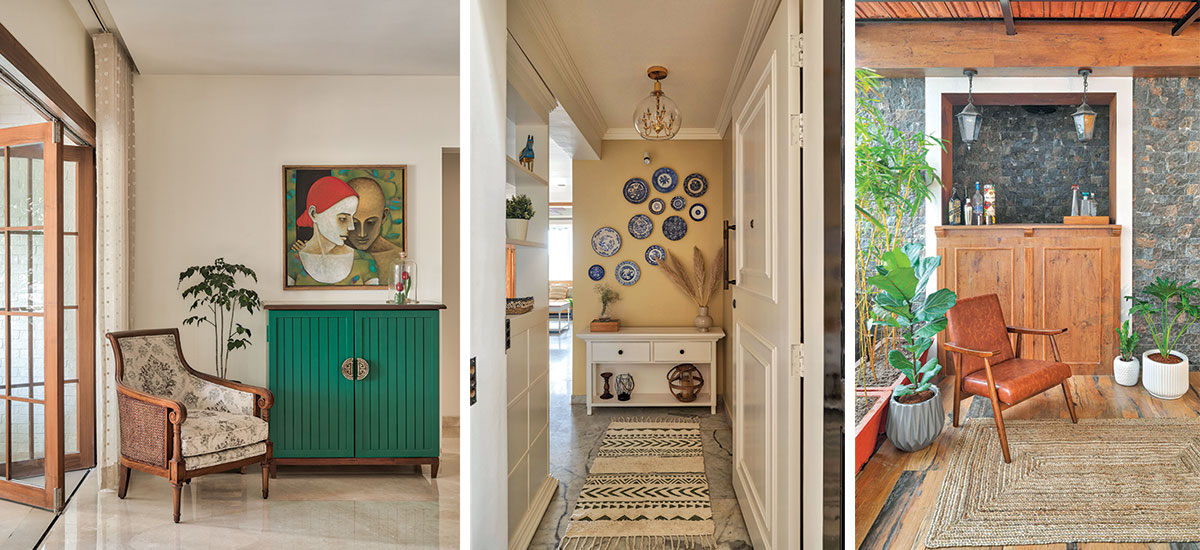
Plant-based materials like bamboo and hemp are gaining prominence for their renewability and low environmental footprint. These materials, used in both structural elements and decorative pieces, offer biodegradable alternatives to traditional options, contributing to eco-conscious living.